
Flowers
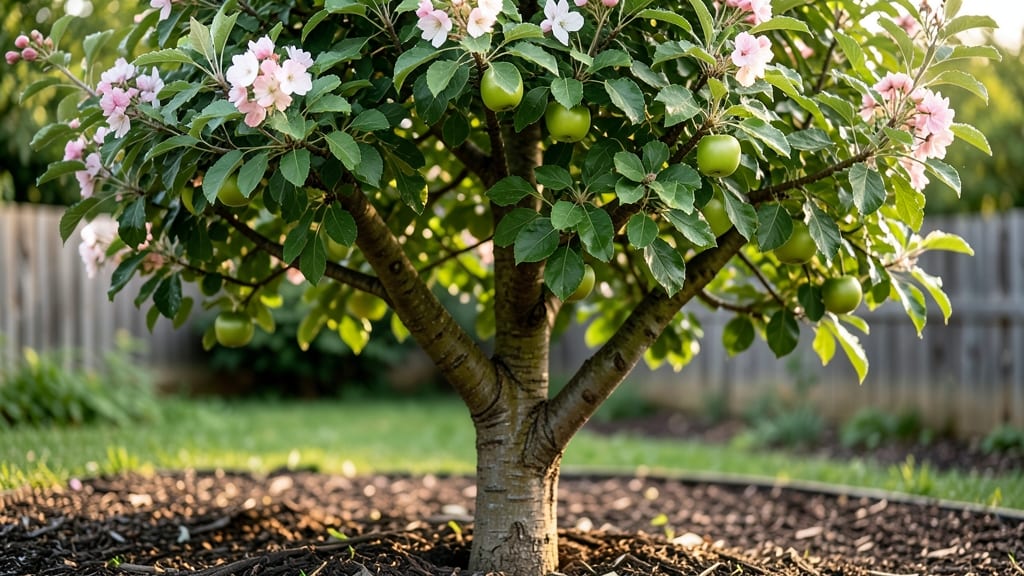
Transforming apple tree flowers into fruit is all about timing, pollination, and a little help from nature — and your own two hands.
Did you know your stunning 🍎 blooms could vanish without proper pollination, leaving you with no fruit? Understanding the hidden science behind this process is the key to a bountiful harvest every season.
From the moment those delicate petals unfurl in spring to the moment fruit swells on the branch, multiple factors decide whether your labor will pay off. Weather, pollinators, and even your pruning choices play a role — and skipping any step can mean wasted blossoms.
In this guide, I’ll walk you through the exact steps to boost fruit set, from attracting bees to troubleshooting common problems like blossom drop. No more guessing — just a heavier harvest next fall.
The science of apple tree pollination: how flowers become fruit
Every spring, your apple tree bursts into vibrant pink and white blossoms, promising a future harvest. But did you know only about 5-10% of these flowers will successfully transform into fruit?
The magic happens through pollination, a delicate biological process where nature's tiny helpers—bees, wind, and even butterflies—play starring roles. Understanding this science helps you troubleshoot why some years yield sparse fruit while others overflow with apples.
At the heart of this process lies the apple tree flower anatomy. Each blossom contains both male and female reproductive parts, but they can't fertilize themselves without outside assistance. The stamens (male) produce pollen, while the pistil (female) holds the ovary that will develop into fruit.
When pollen reaches the pistil, fertilization begins—a journey that takes about 10-14 days to complete before fruit sets.
Pollination success hinges on three key factors: timing, weather, and pollinators. Apple trees typically bloom for 7-10 days, creating a tight window for pollination. Cold, rainy weather during bloom can drown pollen grains or deter bees, while warm, dry days with 50-70°F temperatures create ideal conditions. Even wind speed matters—gusts over 10 mph can blow pollen away before it reaches receptive flowers.
Not all apple tree varieties play well together. Some, like Honeycrisp or Fuji, are self-fertile and can pollinate themselves, but most—such as Gala or Granny Smith—require cross-pollination from a different variety.
Planting two compatible trees within 50 feet ensures bees can efficiently transfer pollen. For example, pairing a Red Delicious with a Golden Delicious creates an ideal pollination duo.
When pollination fails, you'll often notice blossom drop—where unfertilized flowers fall prematurely. This isn't always bad; trees naturally thin excess flowers to focus energy on fewer fruit. However, if over 50% of blossoms drop, it signals pollination problems.
Check for pesticide residue (which repels bees), poor weather during bloom, or lack of pollinators. Even over-fertilizing with nitrogen can shift energy toward leaves instead of fruit development.
Temperature extremes also disrupt pollination. Frost below 28°F during bloom can kill flowers, while heatwaves above 90°F reduce bee activity. In my Zone 6a garden, I've seen years where early spring frosts wiped out 80% of blossoms
Best pollination methods for heavy apple tree fruit production
Transforming those showy apple blossoms into a heavy fruit harvest depends entirely on effective pollination. While nature handles most of this process, strategic planning can double your fruit yield. The key lies in understanding when and how to intervene—whether through natural pollinators or assisted methods like hand-pollination.
Apple trees rely on either cross-pollination (between different varieties) or self-pollination (within the same tree). Most commercial varieties need a pollinizer partner within 50 feet to ensure fruit set. Without proper pollination, those pink and white blooms will simply drop, leaving you with zero apples to harvest.
Natural Pollination vs. Assisted Pollination
- ✅ Bees/wind carry pollen
- ✅ Low effort for gardener
- ✅ Best for orchards with diverse varieties
- ✅ Hand-pollination for self-pollenating varieties
- ✅ Guaranteed fruit set in poor pollinator years
- ✅ Controlled for specific varieties
- ❌ Dependent on weather and bee activity
- ❌ Limited if no pollinizer nearby
- ❌ Risk of blossom drop in cold/wet springs
- ❌ Time-consuming for large trees
- ❌ Requires knowledge of flower anatomy
- ❌ Not effective for wind-pollinated varieties
For natural pollination success, plant at least two compatible varieties within 50 feet of each other. For example, pair 'Honeycrisp' with 'Golden Delicious' or 'Gala' with 'Fuji'.
These combinations ensure cross-pollination and maximize fruit set. If you only have one variety, consider adding a pollinizer tree to your orchard.
To attract pollinators, plant bee-friendly flowers like lavender, clover, or dill near your apple trees. Avoid pesticides during bloom time, as they can kill bees and reduce pollination rates.
Even a small bee bath (a shallow dish with water and pebbles) can help hydrate and attract local bee populations.
If natural pollination fails due to bad weather or low bee activity, try hand-pollination. On a dry, sunny morning, use a paintbrush or cotton swab to transfer pollen from one flower to another.
Focus on open blossoms with visible stamens. Repeat this process every 2-3 days during peak bloom for optimal fruit set.
Timing is critical—pollinate when flowers are fully open and pollen is visible on the stamens. In cooler climates (USDA Zones 4-6), bloom may be delayed, so monitor your tree closely.
In warmer zones (Zones 7-9), blooms may appear earlier, but late frosts can damage flowers. Always be ready to cover trees with frost cloth if frost is forecasted during bloom.