
Flowers
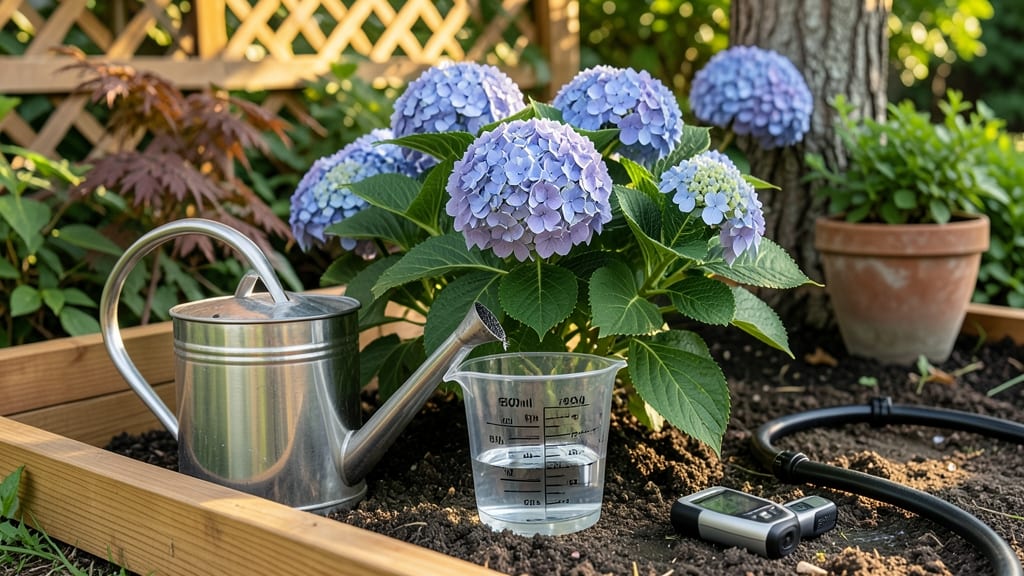
Flowers need watering that matches their type, climate, and season — too much or too little can turn your garden into a sad, wilted mess.
Overwatering or underwatering your flowers can mean the difference between vibrant blooms and wilted disappointment — so how do you strike the perfect balance? The answer isn’t just "once a day" or "when the soil feels dry."
It’s about reading your plants, checking soil moisture, and adjusting for heat, rain, and even pot size.
Most flowers thrive with 1–2 cups of water per plant every 2–3 days in spring and summer, but succulents and drought-tolerant varieties need far less. In-ground flowers often hold moisture longer than potted ones, while tropical blooms may demand daily drinks in peak heat.
Below, I’ll break down the rules by plant type, climate zone, and even the time of day for watering.
You’ll discover how to tell if your flowers are thirsty or drowning, the best times to water for maximum absorption, and smart hacks to save time without sacrificing beauty. Let’s make sure your garden stays lush, not soggy.


Daily watering rules for common flower types by climate zone
Watering flowers isn’t a one-size-fits-all task—it depends on the flower type, climate zone, and even the time of day. Too much water drowns roots, while too little causes wilting.
Let’s break down the science-backed rules for keeping your blooms thriving, whether you’re in a hot desert or cool coastal region.
First, check your USDA climate zone—this determines how often you’ll need to water. For example, Zones 8-10 (hot/dry) require frequent deep watering, while Zones 3-5 (cool/moist) can often go longer between waterings. Always water in the early morning to reduce evaporation and fungal risks.
Soil moisture tests are your best friend. Stick your finger 1-2 inches deep—if it feels dry, it’s time to water. For potted flowers, check the weight: if it’s light, water thoroughly until it drains from the bottom.
| Flower Type | Water Needs (Hot/Dry Zones) | Water Needs (Cool/Moist Zones) | Soil Test Tip |
|---|---|---|---|
| Annuals (e.g., Marigolds, Petunias) | Daily (1-2 cups per plant) | Every 2-3 days (1 cup per plant) | Top inch dry = water immediately |
| Perennials (e.g., Lavender, Coneflowers) | Every other day (deep soak) | Every 3-4 days (1.5 cups per plant) | 2 inches deep dry = water |
| Drought-Tolerant (e.g., Succulents, Cacti) | Weekly (sparingly) | Every 7-10 days (minimal water) | Wait until soil is bone dry |
| Water-Loving (e.g., Hydrangeas, Lilies) | Daily (2+ cups per plant) | Every 2 days (keep soil moist) | Top inch damp = water lightly |
| Bulbs (e.g., Tulips, Daffodils) | Every 3-4 days (spring only) | Weekly (spring), none (summer) | 1 inch dry = water in spring |
For hot/dry climates, focus on deep watering—aim for 1-2 inches per week, including rainfall. Use drip irrigation or soaker hoses to deliver water directly to roots, reducing waste. Mulch with straw or wood chips to retain moisture and cool soil.
Cool/moist climates often require less frequent watering, but container-grown flowers still need attention. Potted plants dry out faster, so check daily in summer. Group plants with similar water needs together to simplify care—this is called hydrozoning.
Seasonal adjustments are key. In summer, increase watering by 30-50% due to heat stress. In fall, taper off as growth slows. Winter watering is minimal—only enough to prevent soil from freezing solid.
Watch for yellowing leaves or drooping stems, which signal overwatering or underwatering. Adjust your schedule based on your plants’ visual cues. For example, wilting in the morning means underwatering, while mushy stems mean overwatering.
Pro tip: Use a rain gauge to track natural precipitation. If you’ve had 1 inch of rain in a week, skip scheduled watering for most flowers. Pair this with your soil test for accuracy.
Remember, consistency is more important than perfection. A slightly irregular schedule is better than drowning or dehydrating your flowers. With these rules, your garden will stay lush, vibrant, and healthy all season long!
Signs your flowers are overwatered or underwatered (and how to fix it)
Even the most beautiful flowers can suffer silently when their watering needs aren't met. Yellowing leaves, drooping stems, or moldy soil might seem like minor issues—but they're actually emergency signals from your plants. The key is learning to read these visual cues before damage becomes permanent.
Most gardeners struggle with the balance between overwatering (which suffocates roots) and underwatering (which stresses plants). Let's decode what your flowers are really trying to tell you.
Start by checking the soil moisture with your finger—if the top 1-2 inches feel damp, hold off on watering. For potted flowers, lift the pot: if it's heavy, it's likely overwatered. Drought-tolerant varieties like lavender or succulents will show signs of distress faster than thirsty annuals like petunias.
Pay attention to leaf texture too: crispy edges mean underwatering, while mushy stems mean overwatering. These subtle differences can save your garden from disaster.
🚨 Watering Warning Signs
Overwatered flowers: Yellow leaves, moldy soil, wilting despite moist soil, roots turning brown/black
Underwatered flowers: Dry, crispy leaf edges, wilting that doesn't recover, soil pulling away from pot edges
Fix it fast: For overwatered: Stop watering, repot if roots are rotten. For underwatered: Water deeply until it drains from the bottom
Let's tackle overwatering symptoms first. If your roses or hydrangeas develop yellow leaves that stay yellow (not the normal fall color change), this is a classic sign of root rot.
Check the stems: if they feel soft or mushy when pressed, your plant is drowning. Mold or fungus growing on the soil surface is another red flag—this creates an unhealthy environment where roots can't breathe. The fix?
Let the soil dry out completely between waterings, and consider adding perlite or sand to improve drainage.
Now for the other extreme: underwatered flowers show different distress signals. Crispy brown edges on leaves or stems that feel dry and brittle mean your plants are begging for water. Wilting that doesn't recover after watering is another warning sign—this often happens when roots have shriveled from dehydration.
For succulents or drought-tolerant perennials like coneflowers, you might see leaves that pucker or curl inward. The solution? Water deeply until it runs out the drainage holes, then let the soil dry out before watering again.
Some flowers are more water-sensitive than others. Impatiens and begonias wilt dramatically when thirsty, while lavender and salvia will drop buds if overwatered. Petunias and geraniums need consistent moisture, so let their top inch of soil dry out between waterings.
For drought-tolerant varieties, like black-eyed Susans or yarrow, water only when the soil is completely dry to the touch. Adjust your approach based on your climate zone—desert plants need less, while tropical flowers crave more.
Don't forget to check your watering habits. Morning watering is always best—it gives plants time to dry out before evening. Avoid watering leaves to prevent fungal diseases. For potted flowers, ensure containers have drainage holes, and never let them sit in saucers of standing water.
If you're unsure, use the finger test: stick your index finger 1-2 inches into the soil. If it feels dry, it's time to water. If it's damp, wait another day. With these visual cues and quick fixes, your flowers will thrive all season long.