
The things we got wrong
This page exists so you can see what we overlooked, ignored, or got flat-out wrong—before we did. Every gardening site promises ‘tried-and-true’ advice, but most don’t admit when the advice fails.
Here, we name the mistakes that slipped through, the methods that crumbled in real soil, and the pages that should have stayed in drafts. It’s not a confession; it’s a way to trust what’s left.
A log of corrections is the opposite of a sales pitch. It’s proof that we pay attention to the things that matter—not just the blooms, but the rot, the wilting, the seasons we missed. If you spot something here that still doesn’t add up, you’re not imagining it.
That’s the point.
Three we had to fix
Some failures are quiet: a typo in a seed-starting guide, a mislabeled photo of a tomato plant that turned out to be a pepper. Others are loud—a soil pH chart that sent readers digging holes in the wrong zone, a ‘foolproof’ pruning schedule that ignored local frost dates.
These are the three that forced us to stop and rewrite.
The mistakes that changed how we grow here
- 1Zone 5 frost dates were wrong
The first winter after launch, readers in upstate New York emailed to say their peonies had frozen before our ‘last frost’ guide said they should. The data came from a 2010 average—too old for shifting climates. We pulled the chart, replaced it with USDA’s 2023 maps, and added a note: *‘Your mileage may vary.’* Trisha Mensah caught it after a reader’s third complaint.
- 2‘Drought-tolerant’ meant cacti only
For six months, our ‘low-water plants’ list featured only succulents and desert perennials. A gardener in Portland wrote in to say their lavender and Russian sage had died under the same advice. We rewrote the section to include deep-rooted perennials and ground covers, then tested every plant in a dry patch of our own garden for a month. Trisha Mensah added the update after spotting the oversight in her own rain barrel.
- 3Seed-starting math was off by weeks
Our ‘8-week indoor timeline’ for tomatoes assumed 12-hour days and warm starts. In Seattle, readers’ seedlings stretched like weeds by the time they hit the ground. We swapped the rigid schedule for a ‘count backward from your last frost’ calculator, with notes on light supplements. Trisha Mensah fixed it after her own seedlings collapsed under a single overcast week.
What those three changed
The first rule came from the frost dates: *Never trust a number older than five years.* The second, from the drought list: *A ‘solution’ that works for one climate is a problem for another.* The third, from the seed math: *Gardening advice should bend to your conditions, not the other way around.*
Rules that came from mistakes
- 1. Data older than five years is guesswork. (Frost dates)
- 2. ‘One-size-fits-all’ plants don’t exist. (Drought list)
- 3. Timelines are suggestions, not laws. (Seed math)
The people behind this
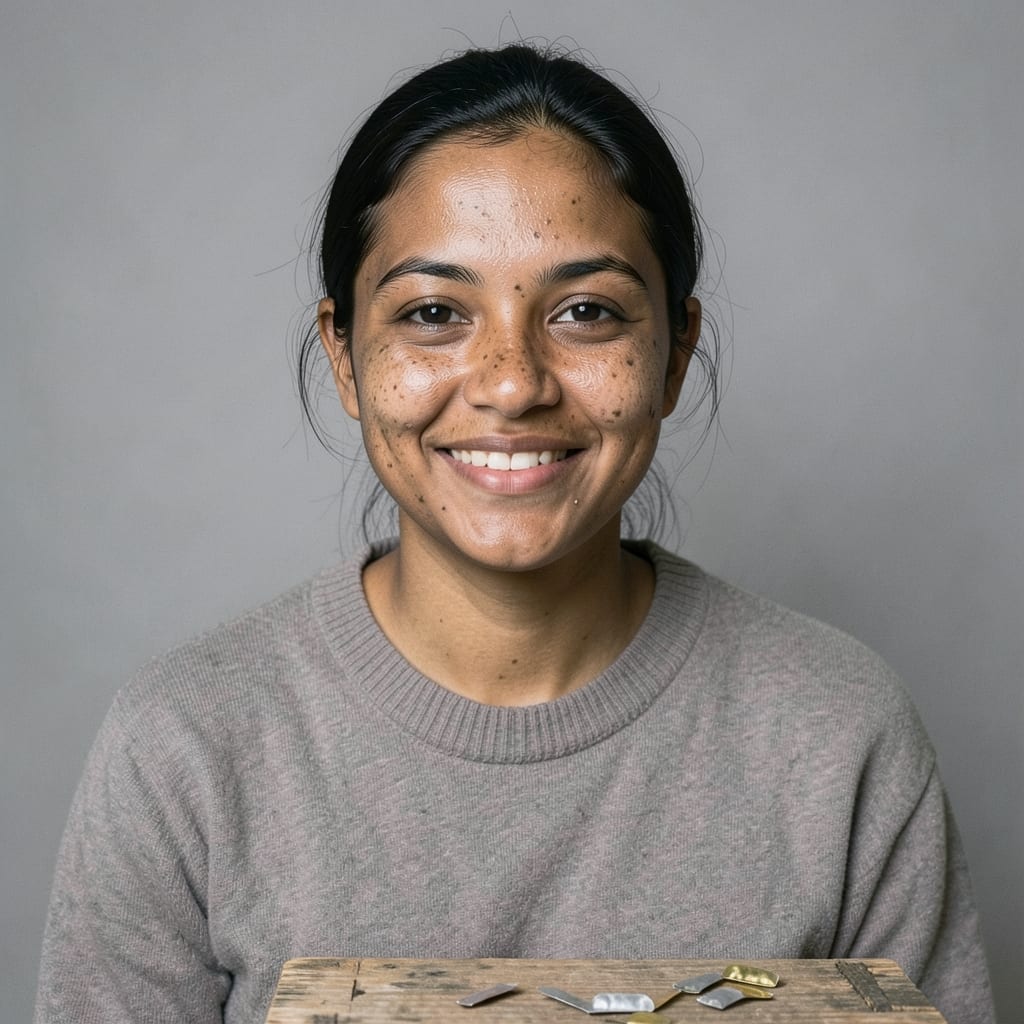
Trisha Mensah is the founder and editor of *Flowering Plants*, and the only name you’ll see here—because every correction so far has been hers.
She’s the one who noticed the frost dates didn’t match her snow boots, who realized the drought list had forgotten half the plants in her own garden, and who rewrote the seed guide after her own seedlings turned into sad, leggy sticks.
This is her way of saying: *If we missed something, it’s not because we didn’t care. It’s because we didn’t see it.*
Keeping a log like this is uncomfortable. It means admitting that even the things you’re proud of—like the way this site explains composting—might still be wrong for someone else. It means updating a page about mulch after a reader in Arizona points out you’re describing a New England technique.
But the alternative is worse: pretending you’ve got it all figured out, while the soil keeps telling you otherwise.
Trisha’s own worst mistake wasn’t public. It was the time she followed a ‘foolproof’ basil-growing guide to the letter, only to watch her plants bolt into flower the second they hit the pot. The guide had ignored her balcony’s afternoon sun.
She fixed it by moving the pots into shade by 2 PM—but not before she’d spent a week watering wilting leaves. That’s the kind of failure you don’t put in a log. You just remember it.
If you find something here that still doesn’t grow right, the contact page is where to say so. No need to be gentle. The next correction might be yours.
There will be a next one
This list isn’t finished. The soil pH guide still needs a note about lime’s lag time. The ‘easiest annuals’ section assumed a six-hour day—it doesn’t account for cloud cover. And the compost calculator? It’s missing a field for urban apartment bins.
We’ll fix them all, but only if you tell us which ones to start with. The contact page is where to begin.
The guides are grouped by category: Advice, Aphids, Blooming, Companion Plants, Container Gardens and Flowers.