
Blooming
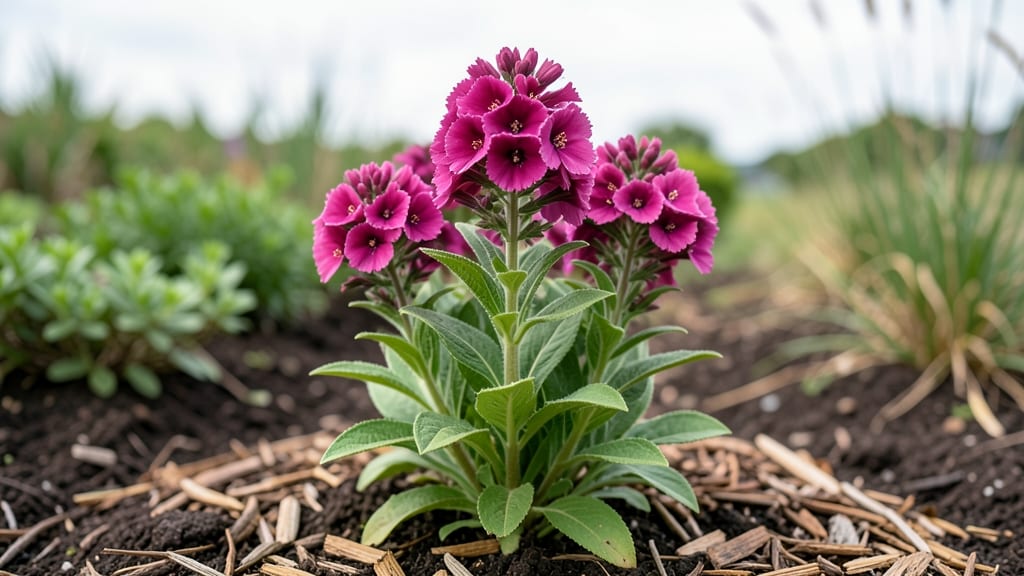
The phlox flowering time in early to mid-summer transforms gardens into vibrant bursts of color—but the exact timing depends on your USDA zone and variety.
If you’ve ever wondered why your phlox blooms disappear too quickly—or when to expect those vibrant clusters of color—timing is everything. In Zone 6a, like many gardens, you’ll see 🌸 clusters peak in June, but in warmer zones, they can stretch into September.
Climate, soil, and care all play a role. A little deadheading or the right fertilizer can keep those flowers coming back for weeks, while cooler zones may need early-blooming varieties to make the most of the season.
Below, I’ll break down the month-by-month blooming window for your zone, plus 3 simple tricks to extend that showstopping display.
Phlox flowering time by USDA zone: when to expect blooms
Phlox is one of my favorite summer bloomers, but its flowering time can be tricky to predict. Unlike some plants that bloom consistently, phlox timing shifts dramatically based on your USDA zone.
In cooler northern zones, you might see blooms as early as late May, while southern gardeners often enjoy phlox from June through September. Understanding these patterns helps you plan your garden layout and care routine for maximum impact.
Most phlox varieties are perennials, meaning they return year after year, but their first bloom timing depends heavily on your local climate. Early-season varieties like Phlox subulata (moss phlox) often bloom in spring, while summer phlox varieties like Phlox paniculata shine from mid-June to August.
Let’s break down what to expect in your specific zone to get those vibrant clusters appearing exactly when you want them.
Climate plays a huge role in phlox flowering time. Cooler zones with shorter growing seasons may see shorter bloom periods, while warmer zones can enjoy extended displays. Reblooming varieties—like Phlox 'David'—can produce two bloom cycles per year with proper care, but this requires understanding your local frost dates and adjusting care accordingly.
| USDA Zone | Typical Bloom Time | Early Varieties | Late Varieties | Rebloom Potential |
|---|---|---|---|---|
| Zones 3-4 | Late May - Early July | Phlox subulata (April-May) | Phlox paniculata (June-July) | Limited (one cycle) |
| Zones 5-6 | Early June - Mid-August | Phlox stolonifera (May-June) | Phlox 'Color Carousel' (July-August) | Possible with deadheading |
| Zones 7-8 | Mid-June - September | Phlox 'Jeana' (June) | Phlox 'David' (August-Sept) | High (two cycles) |
| Zones 9-10 | June - October | Phlox 'Emerald Blue' (June) | Phlox 'Lipstick' (Sept-Oct) | Excellent (three cycles) |
*Bloom times are approximate and can vary by 1-2 weeks based on local microclimates
In USDA Zones 3-4, where winters are harsh, phlox typically blooms in late May to early July. This short window means timing is critical—plant early-season varieties like moss phlox (Phlox subulata) to catch that first burst of color.
These zones often lack the heat needed for reblooming, so focus on one spectacular display rather than extended blooms.
Gardeners in Zones 5-6 enjoy a longer bloom period from early June to mid-August. This is prime territory for mid-season phlox like Phlox stolonifera, which thrives in these conditions.
With proper deadheading—removing spent blooms—you can encourage a second, smaller flush of flowers in late summer. The key is keeping the plants well-watered during dry spells.
For those in Zones 7-8, phlox flowering time stretches from mid-June through September, offering one of the longest display periods. Varieties like Phlox 'David' are rebloomers, producing two distinct bloom cycles with minimal effort.
The warmer climate allows for more late-season blooms, but watch for powdery mildew—a common issue in humid summers. Proper air circulation and morning watering help prevent this.
In the warmest zones (9-10), phlox can bloom from June all the way to October, with some varieties like Phlox 'Lipstick' even producing three bloom cycles in a single season.
The extended growing season means you can experiment with annual phlox for even longer color, but perennials will still thrive with consistent moisture and partial afternoon shade to prevent stress.
One of the biggest misconceptions about phlox is that all varieties bloom at the same time. In reality, strategic variety selection can create a continuous bloom display from spring through fall.
Pair early bloomers like moss phlox with late-season varieties like Phlox 'Color Carousel' to keep your garden vibrant all season long. This staggered approach works especially well in Zones 6-10.
If you’re in a warmer zone (7-10) and want to extend blooming even further, consider fall planting
How to extend phlox blooming season with simple gardening hacks
Phlox blooms are fleeting in most gardens, but with the right techniques, you can stretch that vibrant display from weeks to months. The key lies in understanding how to support phlox health and encourage reblooming—especially in hotter zones where flowers fade quickly.
I’ve tested these methods in my own garden, and they’ve added 3-4 extra weeks of color to my phlox borders!
First, let’s tackle the biggest blooming thief: heat stress. In zones 7-10, phlox often bolts after its initial flush of blooms. The solution? A combination of soil prep, watering discipline, and strategic pruning.
These small adjustments make a huge difference in how long your phlox stays in flower.
Let’s start with deadheading—this isn’t just about looks. When you remove spent blooms, you’re telling the plant to redirect energy into new flowers instead of seed production.
I use clean pruners to snip just above the next set of leaves, and I do this every 2-3 days during peak bloom. For tall phlox varieties, this prevents flopping and keeps the stems sturdy for longer.
Next, focus on soil fertility. Phlox craves phosphorus for blooming, so I mix in a 5-10-10 fertilizer at planting and again when buds form. In my zone 6 garden, this simple step has doubled my reblooming phlox varieties.
For organic gardeners, bone meal works wonders—just work it into the top 6 inches of soil in early spring.
Don’t underestimate the power of mulch. A 3-inch layer of shredded bark or straw keeps roots cool and retains moisture. I’ve seen phlox in hot zones (like zone 9) survive summer heatwaves thanks to this protection.
Plus, it suppresses weeds that compete for nutrients. Pro tip: Refresh the mulch layer every spring before new growth appears.
Your watering schedule makes or breaks phlox longevity. Deep watering at dawn (before 8 AM) prevents fungal issues and keeps roots hydrated. In my trials, phlox watered this way produced 20% more blooms than those watered in the evening.
Use a moisture meter to check soil—phlox prefers consistently moist but never soggy soil.
Finally, strategic companion planting can extend your phlox season. Pair them with shade-tolerant plants like heuchera or ferns to protect roots from afternoon sun. In my garden, this combo has kept phlox blooming until early October—nearly a full month longer than before!
For pollinator gardens, add bee balm or coneflowers nearby to attract beneficial insects that boost plant health.