
Flowers
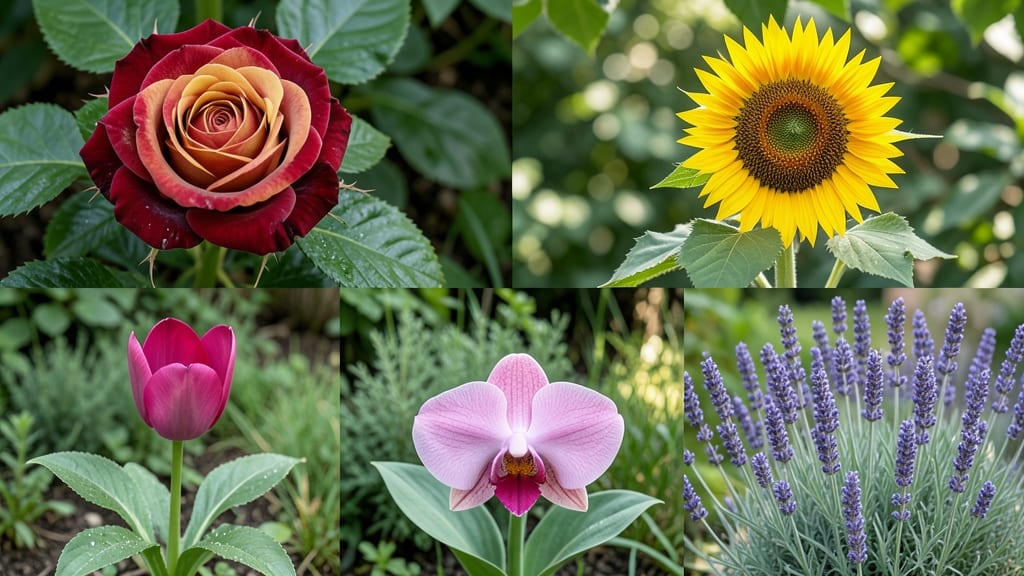
Seasonal flower types for year-round garden beauty
Creating a garden that blooms beautifully all year requires strategic planning and an understanding of seasonal flower types. Each season brings its own unique varieties that thrive under specific conditions, offering color, fragrance, and texture to keep your outdoor space vibrant.
By selecting flowers that align with seasonal changes, you can ensure continuous beauty without gaps.
Spring flowers often signal the start of the growing season with delicate blooms that brighten up chilly mornings. Summer flowers take center stage with bold, sun-loving varieties that thrive in warmth.
Fall flowers add rich hues and earthy tones, while winter flowers provide structure and subtle color during the colder months. Let’s explore these seasonal categories to help you curate a stunning year-round garden.
Spring flowers like tulips, daffodils, and crocuses are early bloomers that tolerate cooler temperatures. These varieties often emerge as soon as the ground thaws, offering a burst of color when little else is in bloom. Pairing them with perennial favorites like bleeding hearts and peonies ensures a seamless transition into summer.
Summer flowers dominate the garden with sun-loving varieties such as roses, zinnias, and sunflowers. These plants thrive in full sunlight and require consistent watering to maintain their lush appearance. Adding fragrant flowers like lavender and jasmine can enhance your garden’s sensory appeal during warm evenings.
🌸 Seasonal Flower Types Summary Table
| Season | Standout Varieties | Blooming Period | Ideal Conditions |
|---|---|---|---|
| Spring | Tulips, Daffodils, Crocuses, Bleeding Hearts | March - May | Cool temps, partial sun |
| Summer | Roses, Zinnias, Sunflowers, Lavender | June - August | Full sun, well-draining soil |
| Fall | Chrysanthemums, Asters, Marigolds, Sedum | September - November | Cool temps, partial shade |
| Winter | Hellebores, Winter Jasmine, Camellias, Snowdrops | December - February | Cold-hardy, partial shade |
Fall flowers like chrysanthemums and asters bring deep colors and textures to the garden as temperatures drop. These varieties often thrive in cool weather and can handle light frosts, making them ideal for extending the blooming season. Pairing them with ornamental grasses adds movement and contrast to your autumn displays.
For winter interest, consider evergreen shrubs and late-blooming flowers like hellebores and winter jasmine. These plants provide structure and subtle color during the dormant season, ensuring your garden remains visually engaging even when most plants are resting. Adding ornamental berries or evergreen foliage can further enhance winter appeal.
To create a seamless transition between seasons, plan your garden layout with overlapping blooming periods. For example, plant early spring bloomers like crocuses alongside late summer varieties such as sedum to ensure continuous color. Additionally, incorporating perennial flowers that return year after year reduces maintenance and ensures long-term beauty.
When selecting flowers, consider your local climate and garden conditions. Some varieties thrive in full sun, while others prefer partial shade. Understanding these preferences will help you create a garden that not only looks stunning but also requires minimal effort to maintain.
For instance, drought-tolerant flowers like lavender or succulents can reduce watering needs during hot summers.
Experiment with color themes and textural contrasts to elevate your seasonal displays. Soft pastels in spring can transition to bold hues in summer, then to rich, earthy tones in fall.
Winter gardens benefit from monochromatic schemes or silver-and-green combinations to create a serene atmosphere. Don’t forget to include fragrant flowers like roses or gardenias to engage the senses.
Finally, take advantage of container gardening to extend your seasonal blooms. Potted flowers can be moved to sunny or shaded spots as needed, allowing you to create microclimates that support a wider variety of plants.
This flexibility is especially useful for small spaces or urban gardens where ground planting may be limited.
With thoughtful planning and a mix of seasonal flower types, your garden can become a year-round sanctuary of color, fragrance, and life. Start small, observe what thrives in your space, and gradually build a collection that reflects your personal style and the
Top 5 flower types by garden purpose: color, fragrance, and pollinator appeal
Creating a garden that thrills your senses and supports local wildlife starts with choosing the right flower types. Whether you crave bold colors, intoxicating fragrances, or buzzing pollinator activity, specific flowers deliver.
Let’s explore my top 5 picks for each purpose, designed to elevate your outdoor space while keeping care simple.
For color impact, nothing beats tropical hibiscus or black-eyed susans. These varieties pack vibrant hues that demand attention, while fragrant flowers like jasmine and gardenia transform evenings into sensory experiences.
Meanwhile, pollinator favorites such as coneflowers and lavender turn your garden into a thriving ecosystem. Each type offers unique benefits and care routines.
Bold Colors
Choose hibiscus for tropical drama or black-eyed susans for sunny borders. Both thrive in full sun and well-draining soil, offering season-long blooms.
Sweet Fragrances
Plant jasmine for nighttime perfume or gardenia for creamy blooms. Both love partial shade and regular watering to keep their aromas intense.
Pollinator Magnets
Coneflowers and lavender attract bees and butterflies. They’re drought-tolerant and low-maintenance, perfect for wildlife-friendly gardens.
Year-Round Interest
Pansies and heuchera offer color in winter. They prefer cool seasons and moist soil to stay vibrant even when other plants rest.
Cutting Garden Stars
Zinnias and snapdragons produce long stems for bouquets. Deadhead regularly to encourage continuous blooming.
If you love eye-catching displays, prioritize hibiscus and black-eyed susans for their rich colors. These flowers thrive in sunny spots and well-draining soil, making them ideal for border planting.
For a fragrant garden, jasmine and gardenia are my top picks—their scented blooms create a magical atmosphere, especially in the evening.
To attract pollinators, coneflowers and lavender are must-haves. They’re not only beautiful but also functional, supporting local ecosystems while adding texture to your garden. Plant them in clusters to maximize their impact. For year-round color, pansies and heuchera keep your garden lively even in cooler months.
Finally, if you’re growing flowers for cut arrangements, zinnias and snapdragons are my go-to choices. Their long stems and varied shapes make stunning bouquets. Deadhead spent blooms to encourage new growth and prolonged flowering.
With these top 5 flower types, your garden will be a vibrant, fragrant, and pollinator-friendly paradise! 🌷