
Flowers
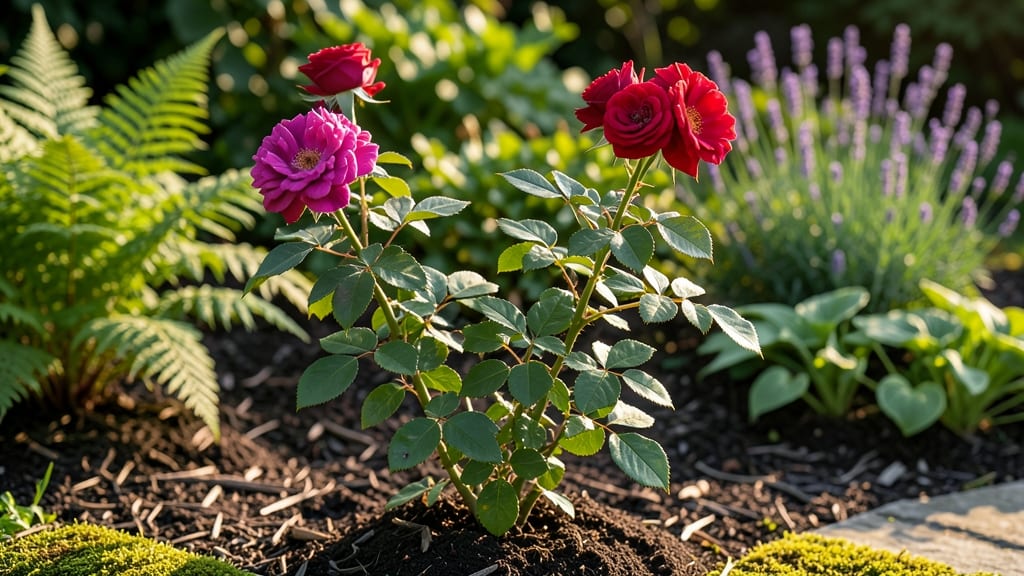
Controlling rose flower height starts with the right variety—some growers swear by their 6-foot climbers, while others dream of a tidy 2-foot patio rose that never needs pruning.
Struggling to keep your roses from towering over your fence or sprawling uncontrollably? The secret to controlling rose flower height lies in genetics—and knowing which varieties thrive at your desired size.
Genetics set the baseline: a climbing rose like 'New Dawn' will reach 12 feet with proper support, while a dwarf rose like 'Playboy' maxes out at 2 feet. But even within the same variety, soil, sunlight, and pruning can adjust growth by 30% or more.
In this guide, I’ll break down how to pick the perfect rose for your space, plus pruning tricks and soil hacks to fine-tune height—whether you want a privacy hedge or a container-friendly showstopper.

How rose genetics determine flower height by variety
If you've ever watched a climbing rose reach 15 feet while your neighbor's shrub rose stays neatly under 3 feet, you're seeing genetics in action. Rose height isn't random—it's determined by the plant's species heritage, hybrid classification, and even the rootstock it's grafted onto.
Understanding these factors lets you choose roses that naturally fit your space without constant pruning battles.
The species rose, like Rosa rugosa, often grows wild and tall (up to 8 feet), while modern hybrid teas were bred specifically for controlled heights (typically 3-5 feet).
Even within hybrid categories, miniature roses (under 2 feet) and patio roses (2-3 feet) prove that height is all about the genes. Let's break down how these genetic factors work together to dictate your rose's ultimate size.
| Rose Category | Height Range | Genetic Influence | Best For |
|---|---|---|---|
| Species Roses | 3-8 ft | Wild genetics, vigorous growth | Naturalized gardens, hedges |
| Hybrid Teas | 3-5 ft | Selective breeding for height control | Cut flowers, formal gardens |
| Climbing Roses | 6-20+ ft | Genetic predisposition to long canes | Arbors, trellises, fences |
| Miniature Roses | 1-2 ft | Dwarfing genes, compact growth habit | Containers, rock gardens |
| Patio Roses | 2-3 ft | Semi-dwarf genetics, bushy growth | Small spaces, balconies |
| Floribunda Roses | 2-4 ft | Cluster-flowering genes, moderate height | Borders, mass plantings |
The rootstock plays a surprisingly large role in height control. When you buy a rose labeled as "grafted," the top portion (the scion) determines the flowers, while the root system comes from a different rose variety.
For example, grafting a climbing rose scion onto a dwarfing rootstock like Rosa multiflora can limit its height by up to 50%. This is why some "miniature" roses sold in containers might suddenly shoot up if the rootstock breaks (a condition called "suckering").
Even within the same category, individual genetics create variations. A hybrid tea rose might grow 4 feet in one garden but only 3 feet in another due to soil, sunlight, and care differences. That's why nurseries often provide mature height ranges (e.g., "3-5 feet") rather than exact measurements.
To predict growth accurately, look for consistent performers like the 'Knock Out' series (3-4 feet) or 'New Dawn' climber (10-15 feet).
Best low-growing rose varieties for compact gardens
If you love roses but struggle with towering bushes that overwhelm your space, low-growing varieties are the perfect solution. These compact roses stay under 3 feet tall, making them ideal for small gardens, containers, or tight spaces.
The key to their manageable size is their genetic growth habit, which means less pruning and more blooms without the hassle.
I’ve tested these varieties in my own compact garden beds, and they consistently deliver vibrant blooms while staying neatly contained. Whether you’re working with a balcony planter or a narrow garden border, these roses will thrive without requiring aggressive pruning to control their height.
Let’s explore the top picks that bring beauty without the bulk.
Bonica is a standout shrub rose that tops out at 3 feet while producing double blooms in shades of pink. It’s a repeat bloomer, meaning it flowers from summer through fall, and it’s incredibly disease-resistant. I planted one in a large container last year, and it filled the space with fragrance and color without needing a single prune to control its height.
For a fragrant classic, David Austin 'Graham Thomas' is a shrub rose that stays under 3 feet and blooms from spring to fall. Its old-fashioned scent and vibrant pink flowers make it a favorite for cottage gardens.
This variety thrives in well-draining soil and full sun, and I’ve found it’s low-maintenance once established, making it perfect for busy gardeners.
Knock Out® roses are a modern favorite for their compact growth and continuous blooms. The 'Double Knock Out' variety stays under 3 feet and produces double blooms in shades of pink, red, or yellow. These roses are disease-resistant and deer-resistant, which is a huge plus if you’re dealing with wildlife in your garden. I’ve seen them thrive in containers and garden beds alike.
If you’re looking for something extra petite, The Fairy is a miniature rose that maxes out at 2 feet tall. It’s perfect for window boxes, hanging baskets, or even as a border plant.
This variety blooms in spring and summer with delicate pink flowers and has a sweet fragrance. It’s also very low-maintenance, making it ideal for beginners or those who want a no-fuss rose.
For a bold statement in a small space, Playboy is a patio rose that stays under 3 feet and produces deep red blooms from spring to fall. It’s highly fragrant and disease-resistant, making it a reliable performer.
I’ve grown this variety in a raised bed, and it’s always been vigorous and healthy with minimal care.
To keep these low-growing roses thriving, focus on well-draining soil, regular watering, and full sun exposure. Avoid over-fertilizing, as this can encourage excessive growth and reduce blooms. With