
Propagation
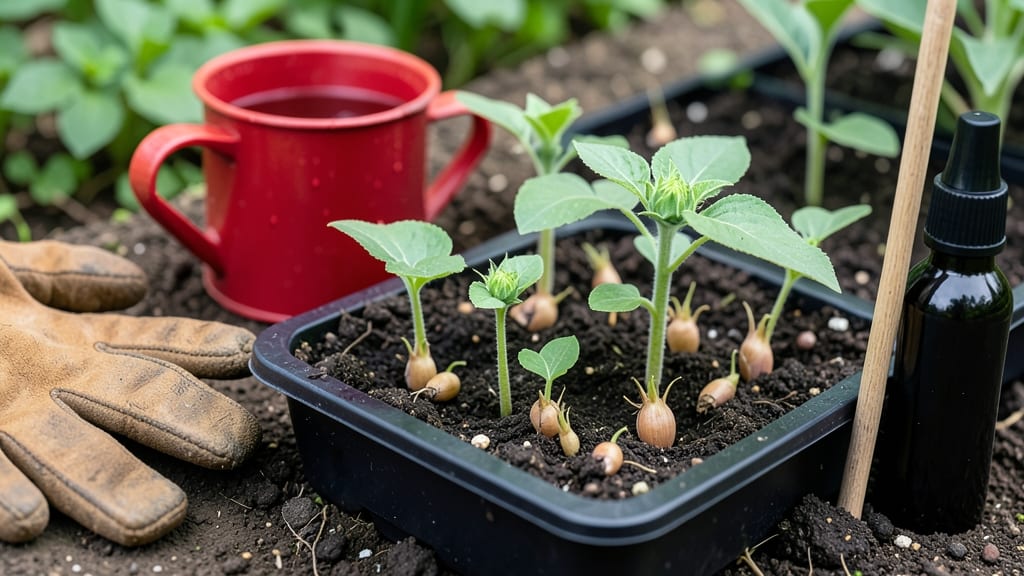
Sunflower seed germination time: exact stages & what to expect daily
If you've ever planted sunflower seeds hoping for quick results, you know patience is key—but understanding the exact germination timeline and daily progress can make all the difference.
Sunflower seeds typically sprout within 7-14 days under ideal conditions, but breaking down the process day by day helps you track success and troubleshoot early. From the first signs of life to the first true leaves, here’s what to expect at every stage.
Germination begins the moment you plant your seeds, but the magic really starts when the seed absorbs moisture and swells. This soaking phase usually takes 1-3 days, depending on temperature and humidity. You’ll know it’s working when the seed coat softens and the radicle (the embryonic root) starts to grow.
During this time, keep your soil consistently moist but never soggy—overwatering can suffocate seeds before they even sprout.
The first visible sign of life is often a tiny white root breaking through the seed coat, usually between day 3 and day 5. This is your cue that germination is underway! The root will anchor the seedling into the soil, followed closely by the shoot pushing upward.
If you’re growing seeds indoors, place a clear lid or plastic wrap over the container to maintain humidity—this can speed up the process by 1-2 days.
Here’s a quick breakdown of the germination stages and what to watch for each day:
Once the shoot emerges, you’ll notice the seedling’s cotyledons (the first leaves) unfurl within 2-3 days. These look different from the true leaves that follow—they’re usually broader and rounder. True leaves will appear next, signaling the seedling is ready for more light and nutrients.
This stage typically occurs between day 7 and day 10, and it’s a great time to start fertilizing lightly if you’re growing in soil.
By day 10-14, your sunflower seedlings should have developed sturdy stems and 2-4 true leaves. At this point, they’re no longer vulnerable to damping-off disease, so you can reduce humidity slightly.
If you’re growing in containers, this is also the time to transplant outdoors—just make sure nighttime temperatures stay above 50°F to avoid shock. Harden off seedlings by gradually exposing them to outdoor conditions over 5-7 days.
If your seeds haven’t sprouted by day 14, don’t panic—but don’t give up either. Germination can stall due to cold soil, poor seed quality, or dry conditions.
Try gently pressing the seed into the soil to ensure good contact, or soak remaining seeds in warm water for 12 hours before replanting. Sunflowers are resilient, and with the right conditions, you’ll see those familiar green shoots in no time.
Tracking germination progress daily isn’t just about patience—it’s about giving your sunflowers the best possible start. Whether you’re growing them for their striking blooms or edible seeds, understanding each stage helps you optimize care and troubleshoot early.
With these exact expectations, you’ll know exactly when to expect those first cheerful sprouts popping up in your garden.
🌱
5 Proven ways to speed up sunflower seed germination by 3-5 days
Sunflower seeds are eager to sprout, but slow germination can happen when conditions aren’t perfect. The key to faster growth lies in mimicking their natural environment—warmth, moisture, and proper soil contact.
With these science-backed tricks, you can shave 3-5 days off germination time without chemicals or risky shortcuts. Let’s dive into the methods that actually work for sunflowers.
First, understand that sunflower seeds need consistent warmth (70-85°F) and moisture without drowning to break dormancy. Skipping these basics often leads to delays. The good news? Small adjustments can make a huge difference in how quickly those first green shoots appear. Here’s how to optimize each step for faster results.
-
1
Pre-Soak Seeds for 6-12 Hours
Soak seeds in lukewarm water (not hot) to soften the outer shell. Use a paper towel or seedling tray to prevent over-saturation. This mimics natural rainfall and speeds up hydration by 24-48 hours.
-
2
Use a Heat Mat or Warm Location
Place seeds near a sunny window or on a seedling heat mat (75-85°F). Avoid refrigerators or cold basements—cool temps slow germination by up to 5 days. A south-facing window or grow light works too.
-
3
Optimize Humidity with a Clear Lid
Cover seeds with a clear plastic lid or plastic wrap to trap moisture. Check daily for condensation—excess humidity causes mold. Aim for 60-70% humidity; a spray bottle keeps soil damp without waterlogging.
-
4
Plant in Light, Airy Soil Mix
Use a blend of 50% potting soil and 50% perlite or vermiculite for drainage. Avoid garden soil—it’s too dense and can smother seeds. Plant seeds 1 inch deep (no deeper) for faster emergence.
-
5
Gently Press Seeds into Soil
Use your finger to press seeds lightly into soil for better soil contact. Poor contact delays germination by 2-3 days. Avoid burying too deep—sunflowers need light to trigger sprouting, even at this early stage.
Once you’ve prepped your seeds and soil, patience is key—but not for long! With these methods, you’ll see radicles (tiny roots) emerge within 3-5 days instead of a full week.
The secret? Replicating the warm, moist conditions sunflowers thrive in during their natural growing season. Just avoid the temptation to overwater or move seeds too soon—consistency wins.
Pro tip: Keep a journal of your germination trials. Note which methods work best in your climate—some gardeners swear by chitting seeds (pre-sprouting in damp paper towels), while others prefer direct soil planting with heat mats. Experiment to find your fastest route to sunflower sprouts!
With these tricks, you’ll be watching those first green shoots break through the soil in record time—ready to grow into those iconic sunflower blooms you’ve been dreaming of. Happy growing! 🌱