
Light Requirements
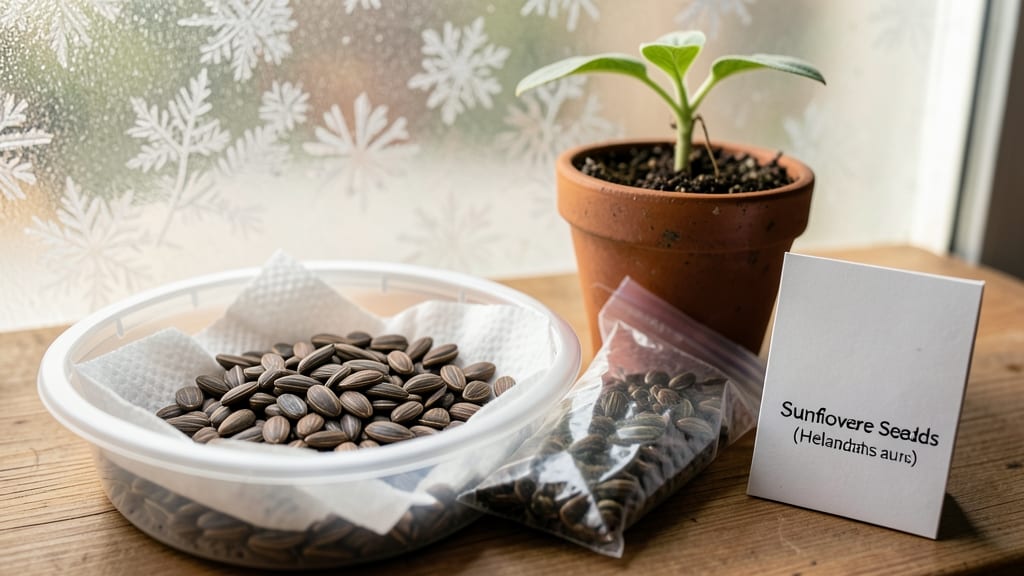
Sunflower seeds don’t actually need cold stratification to germinate—unlike many other plants, they’ll happily sprout without that extra chilling step.
If you’ve ever waited weeks for those little stalks to break through the soil, wondering why your sunflower seeds 🌻 seem stubborn, you’re not alone. The good news? This process is optional, and skipping it can actually speed things up.
Sunflowers thrive when planted directly in warm soil, making them one of the easiest flowers to grow from seed. With the right conditions—like well-draining soil and consistent moisture—they’ll pop up faster than you’d expect, often within 5 to 10 days.
Below, I’ll walk you through the fastest way to get them sprouting, including soil prep, planting depth, and pro tips to avoid common germination mistakes—so you can enjoy those towering blooms by summer.
Understanding sunflower seed germination requirements and cold stratification basics
If you've ever wondered why some gardeners swear by cold stratification for seeds while others skip it entirely, sunflowers offer a fascinating case study. Unlike many wildflower or perennial seeds, sunflower seeds (Helianthus annuus) are one of the few exceptions that do not require cold stratification to germinate.
This makes them a beginner-friendly choice for gardeners eager to see quick results without the extra chilling step.
The reason lies in their natural habitat. Sunflowers evolved in warm climates where they rely on heat and consistent moisture to break dormancy, not cold. In fact, subjecting them to cold stratification can actually delay germination or reduce vigor.
Understanding this key difference can save you time and frustration in your garden.
For seeds that do need stratification, like many native wildflowers or certain tree seeds, the process mimics winter conditions to trigger germination hormones. But sunflowers bypass this entirely.
Their hardy seed coats respond better to warm soil temperatures (70-90°F) and proper moisture levels, making them one of the easiest seeds to start.
Here's the science: Sunflower seeds contain abscisic acid, a natural growth inhibitor that prevents premature sprouting. In warm conditions, this breaks down naturally, allowing germination to proceed. Cold stratification would only prolong this dormancy period, working against your goals.
Now, let's clarify the ideal germination conditions for sunflowers. While they skip stratification, they still need specific care. The key factors are soil temperature (70-90°F), consistent moisture, and proper planting depth (1 inch deep).
These elements work together to create the perfect environment for those little sprouts to emerge within 7-14 days.
| Germination Requirement | Sunflower Seed Specification |
|---|---|
| Cold Stratification Needed | No - can inhibit germination |
| Optimal Soil Temperature | 70-90°F (21-32°C) |
| Moisture Requirements | Consistently moist (not soggy) |
| Planting Depth | 1 inch (2.5 cm) deep |
| Germination Time | 7-14 days at ideal temps |
| Light Requirements | Bright light needed after sprouting |
One common misconception is that all seeds benefit from cold stratification. While this technique works wonders for wildflower mixes or tree seeds, sunflowers thrive when you skip this step entirely.
In fact, many commercial sunflower seeds are pre-treated to ensure rapid germination without stratification, which is why they often sprout so quickly when planted directly in warm soil.
For gardeners in cooler climates, this means you can start sunflower seeds indoors under grow lights or direct-sow after the last frost when soil temperatures consistently reach 55°F (13°C) or warmer.
Using a seedling heat mat can accelerate germination by maintaining those ideal 70-90°F (21-32°C) soil temperatures, especially in early spring.
Moisture management is equally critical. Sunflower seeds need consistent moisture but will rot if left in waterlogged soil. A good rule of thumb is to keep the soil moist like a wrung-out sponge.
Overwatering is one of the most common reasons for failed germination, so always ensure your planting area has good drainage.
If you're still hesitant about skipping stratification, consider this: sunflowers have one of the highest germination rates among garden seeds when given proper warmth and moisture. Many gardeners achieve 90%+ germination rates without any cold treatment, making them an excellent choice for both beginners and experienced growers alike.
Remember, the key to successful sunflower germination lies in warmth, moisture, and patience. Once you understand these basic requirements, you'll be well on your way to growing those iconic 6-foot-tall beauties that bring so much joy to summer gardens. 🌻
When to skip cold stratification for sunflowers: fastest germination methods
Great news for impatient gardeners: sunflower seeds typically don't need cold stratification to germinate! Unlike many wildflower seeds or perennials, sunflowers (Helianthus annuus) are non-hardy annuals that sprout readily in warm soil.
This means you can bypass the chilling process entirely and enjoy faster growth. The key lies in proper soil prep, timing, and environmental conditions that mimic their natural tropical origins.
For the fastest results, focus on soil temperature and moisture consistency—both more critical than stratification for sunflowers. A well-prepared seedbed with warm soil (at least 60°F or 15°C) can trigger germination in just 7-14 days. Here's how to optimize your approach without any cold treatment.
- 🔥 Warmth first: Use a heat mat (70-80°F) for indoor starts or wait for soil to reach 60°F+ outdoors.
- 💧 Moisture balance: Keep soil consistently damp (not soggy) during germination—sunflowers hate dry spells.
- 🌱 Direct sowing: Plant seeds 1 inch deep in loose, well-draining soil after last frost for fastest outdoor results.
- ☀️ Light exposure: Sunflowers need full sun (6+ hours daily) even as seeds—they'll stretch toward light if deprived.
- ⏱️ Patience payoff: Expect sprouts in 7-21 days with ideal conditions (vs. 30+ days with stratification).
If you're starting seeds indoors, skip stratification entirely and use a seedling heat mat to maintain 75-80°F soil temps. Place trays near a sunny window or under grow lights immediately after planting—sunflowers won't tolerate darkness during germination.
Once true leaves appear, transplant outdoors only after hardening off for 5-7 days to avoid shock.
For outdoor planting, time your sowing with warm soil in spring (after last frost when night temps stay above 50°F). Work in compost or aged manure to boost fertility, and avoid compacted soil that can delay sprouting.
A mulch layer (straw or grass clippings) helps maintain even moisture and warmth—critical for sunflowers that despise cold, wet soil.
Pro tip: Soak seeds overnight in warm water before planting to jumpstart hydration. This mimics natural rainfall cues and can reduce germination time by 2-3 days. Just ensure they're planted within 24 hours of soaking to prevent mold risk.
Pair this with shallow planting (1 inch max) in loose soil for the fastest possible emergence.
Remember: While sunflowers don't require stratification, they do need warmth and consistency. By focusing on these factors—rather than cold treatment—you'll get robust seedlings ready for transplanting in just 10-14 days, giving your sunflowers a head start toward those towering 10-foot giants by summer. 🌻