
Flowers
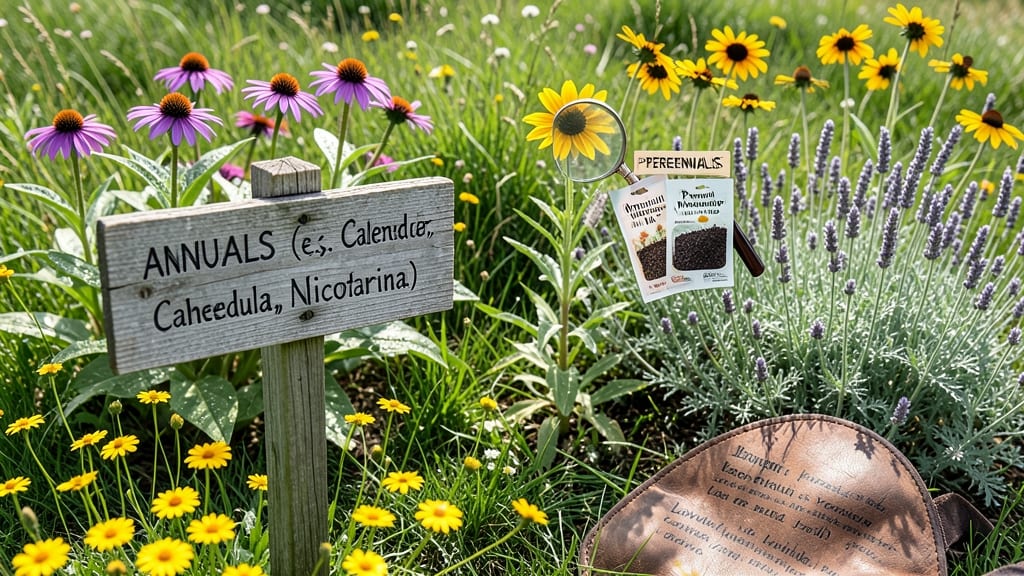
Wildflowers are either annuals or perennials, and knowing the difference can change how you plan your garden for vibrant blooms year after year 🌼.
Picture this: you plant a patch of cheerful cosmos in spring, and by summer, they’re bursting with color—only to vanish by frost. That’s an annual. But if you’ve ever watched black-eyed Susans return year after year, you’re looking at a perennial.
The choice between the two shapes your garden’s long-term beauty and maintenance.
Annual wildflowers complete their life cycle in one season, seeding themselves for next year’s show, while perennials store energy underground to bloom again. Some, like zinnias, thrive as annuals in cooler climates but may act like perennials in warmer zones.
Understanding these patterns helps you mix fast-growing annuals with long-lived perennials for a garden that never skips a beat.
Below, I’ll break down the key traits of each, share top picks for your region, and reveal how to blend them for nonstop color—no matter the season.
Wildflower life cycles explained: annual vs perennial differences
When planning your wildflower garden, understanding the difference between annual and perennial varieties is key to creating a vibrant, low-maintenance landscape. Annual wildflowers complete their entire life cycle—from seed to bloom to seed production—in just one growing season, while perennials return year after year, often with minimal care.
This distinction affects everything from planting timing to long-term design, so let's break down how each type thrives in your garden.
The choice between annual and perennial wildflowers often comes down to your gardening goals. If you want instant color and don't mind replanting, annuals like cosmos or zinnias deliver bold blooms in a single season.
But for year-round beauty with less effort, perennials like coneflowers or black-eyed Susans establish deep roots and bounce back annually. Both play crucial roles in supporting pollinators, but their growth habits and environmental needs differ dramatically.
Annual wildflowers focus their energy on rapid growth and reproduction within a single season, often producing thousands of seeds to ensure the next generation's survival. In contrast, perennial wildflowers invest in building robust root systems and woody structures that allow them to persist through harsh winters. This fundamental difference shapes how you'll plant, maintain, and enjoy each type in your garden.
One of the most striking differences between annual and perennial wildflowers is their seed production strategy. Annuals like cosmos and zinnias produce an astonishing number of seeds in a single season, often scattering them widely to ensure survival.
This adaptation makes them ideal for self-seeding meadows, where they'll naturally return year after year even though they're technically annuals. Perennials, on the other hand, produce fewer seeds but focus on building strong root systems that store energy for future growth.
The environmental adaptations of these wildflowers also reflect their life cycles. Annuals thrive in disturbed soils where competition is low, making them perfect for newly cleared areas or garden beds. They germinate quickly in spring, flower rapidly, and set seed before summer's end.
Perennials, however, develop deep taproots that access water and nutrients far below the surface, allowing them to withstand drought and persist through multiple growing seasons.
For gardeners planning a pollinator-friendly landscape, combining both types creates a dynamic ecosystem. Annuals provide immediate nectar sources in their first season, while perennials offer long-term sustenance. For example, planting annual sunflowers alongside perennial bee balm ensures bees have food from early summer through fall.
This combination also extends your garden's visual appeal, with annuals offering bold seasonal colors and perennials providing structure and returning blooms.
Understanding these life cycle differences helps you make informed decisions about planting schedules and garden maintenance. Annuals require more frequent replanting but deliver quick results, while perennials demand patience during establishment but reward you with years of beauty.
Many gardeners use a mix of both—planting annuals for instant color in new beds while letting perennials establish over time for a low-maintenance foundation.
Another key consideration is how each type interacts with your local climate. In warmer regions, some annuals may actually persist for multiple years if conditions are favorable, blurring the line between their classifications. Meanwhile, hardy perennials in colder climates might need winter protection but still return reliably.
Pay attention to your USDA hardiness zone and local frost dates when selecting wildflowers to ensure they thrive in your specific conditions.
If you're creating a wildflower meadow, annuals can fill gaps between perennial establishment, providing color while the perennials develop. Over time, many
Best annual and perennial wildflowers for season-long beauty
Creating a garden that blooms from spring to fall starts with choosing the right wildflowers. Annual wildflowers deliver instant color but complete their lifecycle in one season, while perennial wildflowers return year after year with minimal effort.
The key is blending both types for continuous beauty—annuals fill gaps where perennials are dormant, and perennials provide structure and long-term pollinator support.
For instant summer color, annuals like cosmos and zinnias are my top picks. They thrive in poor soil and drought conditions, making them perfect for low-maintenance gardens.
Perennials, on the other hand, like black-eyed Susans and coneflowers, establish deep roots and reward you with years of blooms once planted. Together, they create a dynamic, ever-changing landscape that attracts bees, butterflies, and hummingbirds.
🌼 Top Annual Wildflowers
- 🌻 Cosmos – Drought-tolerant, self-seeding, thrives in full sun (3–5 ft tall)
- 🌺 Zinnias – Cut-flower favorite, bright colors, attracts butterflies (1–3 ft tall)
- 🌵 Sunflowers – Tall varieties (up to 12 ft), edible seeds, great for pollinators
- 🌸 Marigolds – Pest-repellent, heat-loving, ideal for container gardens (1–2 ft tall)
🌿 Top Perennial Wildflowers
- 🌼 Coneflowers – Drought-resistant, long bloom time (July–October), pollinator magnet (2–5 ft tall)
- 💛 Black-Eyed Susans – Golden-yellow blooms, low-maintenance, thrives in poor soil (2–3 ft tall)
- 🌸 Purple Coneflower – Medicinal benefits, late-season blooms, attracts hummingbirds (2–4 ft tall)
- 💜 Salvia – Spiky blooms, deer-resistant, drought-tolerant (1–3 ft tall)
When planning your wildflower garden, consider your USDA hardiness zone and local climate. For example, cosmos and zinnias thrive in Zones 2–11, while coneflowers and black-eyed Susans are hardy in Zones 3–9.
Pairing tall annuals like sunflowers with mid-height perennials like salvia creates visual layers, while low-growing marigolds add color at the front. Mulch around perennials in early spring to protect roots and retain moisture.
To encourage season-long blooms, deadhead spent annual flowers like zinnias regularly to prompt new growth.
For perennials, cut back foliage in late winter to make room for fresh shoots. Companion planting also enhances beauty and function—try pairing cosmos with basil to repel pests or planting coneflowers near tomatoes to attract pollinators. These combinations not only look stunning but also support a healthier garden ecosystem.
For low-maintenance meadows, mix self-seeding annuals like cosmos with perennial clump-formers such as coneflowers. This strategy ensures continuous color without annual replanting. In containers, opt for compact zinnias and dwarf salvia to create portable pollinator hotspots.
With the right mix, your wildflower garden will buzz with life from early summer through frost, proving that beauty and ease go hand in hand.
Start small with a 5x5 ft plot to test combinations, then expand based on what thrives in your space. Whether you prioritize bold annuals or reliable perennials, the secret to a stunning wildflower garden lies in understanding their life cycles—and letting nature do the rest. Happy planting!