
Flowers
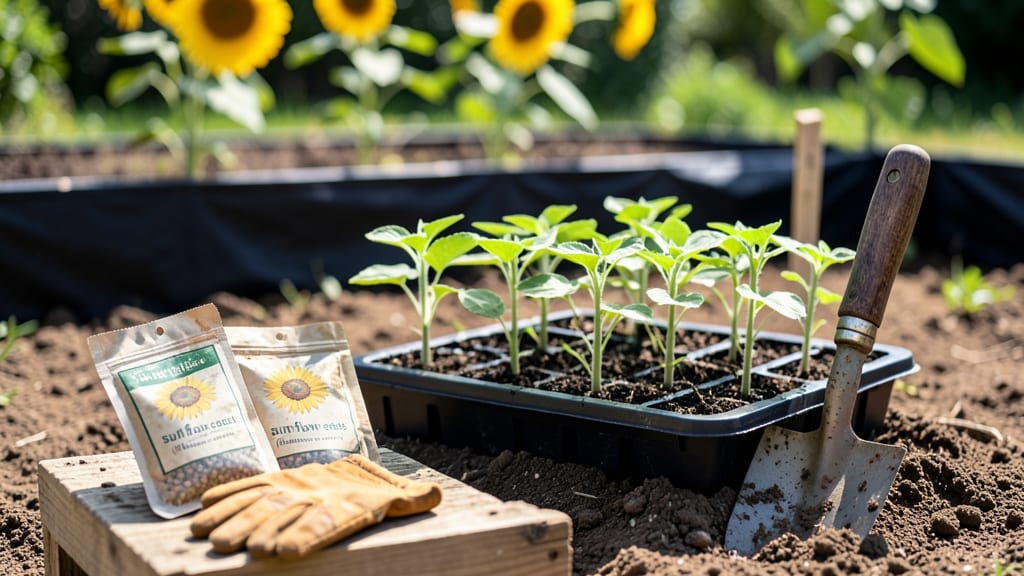
To plant sunflowers in Zone 7, aim for mid-April to mid-June when soil warms to 55°F—this window ensures they tower before summer’s heat sets in.
Sunflowers aren’t just beautiful—they’re hardy, fast-growing powerhouses that can reach towering heights with the right timing. But if you’re in Zone 7, planting too early risks frost damage, while waiting too late means stunted growth.
The 60-day window between mid-April and mid-June is your sweet spot for continuous blooms all summer.
Direct-sowing is easiest—just drop seeds 1 inch deep after the last frost (usually around April 15). Starting indoors isn’t necessary unless you’re dealing with early-season pests, but succession planting every 2 weeks keeps your garden in golden bloom until October.
Below, I’ll break down the exact dates for your region, soil prep hacks, and how to adjust for Zone 7’s unique climate—so you end up with a sunflower forest, not a wilted disappointment.

Zone 7 sunflower planting calendar: exact dates for peak growth
Sunflowers thrive in Zone 7 when planted at the right time—too early and they’ll rot from lingering cold, too late and they’ll bolt too quickly.
The key is timing your direct sowing or transplanting to match your last frost date (typically mid-April) and soil temperature (ideal at 55°F or warmer). My garden’s sunflowers hit their peak height when planted in three strategic windows: early spring, mid-season, and late summer for continuous blooms.
For direct-sown sunflowers, the best window starts 2-3 weeks after your last frost date. In most of Zone 7, that means mid-April to early May for early blooms.
If you’re in cooler microclimates (like higher elevations), wait until late April. Soil temperature is critical—sunflower seeds won’t germinate well below 55°F, so use a soil thermometer if unsure.
If you prefer starting sunflower seeds indoors, begin them 4-6 weeks before your last frost date (around mid-March in Zone 7). Use biodegradable pots to avoid transplant shock, and harden off seedlings for 7-10 days before moving them outdoors.
I’ve found that transplanted sunflowers often outperform direct-sown ones because they avoid early-season pests and cold snaps.
For continuous blooms, stagger your plantings with mid-season (May-June) and late-summer (July-August) sowings. Late-season sunflowers benefit from shorter daylight hours, which can delay bolting. Choose fast-maturing varieties (like ‘Moulin Rouge’) for these later plantings—they’ll still bloom before frost hits in mid-October.
| Planting Window | Best For | Soil Temp | Days to Bloom |
|---|---|---|---|
| Mid-April to Early May | Early blooms, tall varieties | 55°F+ | 60-90 days |
| Late May to June | Mid-season height, succession planting | 60°F+ | 50-75 days |
| July to Early August | Late blooms, short-season varieties | 65°F+ | 45-60 days |
Zone 7’s humidity and heat can stress sunflowers, so mulch heavily after planting to retain moisture and cool roots. I use straw mulch, which also suppresses weeds—critical for sunflowers with their deep taproots.
Avoid planting in low-lying areas where cold air pools; instead, choose slightly elevated spots for better drainage and warmth.
For direct sowing, plant seeds 1 inch deep and 6 inches apart (or 12 inches for giant varieties). Thin seedlings to 18-24 inches apart once they’re 4-6 inches tall to give roots room to spread.
Pro tip: Soak seeds overnight before planting to speed up germination—my sunflowers sprout in 5-7 days when conditions are ideal.
If you’re in Zone 7a (colder microclimates), push your planting date to late April to avoid late-spring frosts, which can kill young seedlings. In Zone 7b (warmer areas), you can start as early as early April.
Always check your local frost dates—they can vary by 1-2 weeks even within the same zone. I rely on the Old Farmer’s Almanac for my region’s predictions.
Don’t forget succession planting! By sowing every 2-3 weeks from April through July, you’ll enjoy sunflowers in bloom from July through October. This works especially well with dwarf varieties (like ‘Teddy Bear’) that mature faster.
For tall varieties, focus on early and mid-season plantings to avoid bolting before frost.
Finally, watch for soil compaction—sunflowers hate crowded roots. If your garden soil is heavy clay, amend with compost before planting. I’ve seen sunflowers grow 3 feet in a single month when given rich, loose soil and full sun.
With the right timing, your Zone 7 garden can be a sunflower paradise—just follow this calendar, and you’ll be harvesting seeds by fall! 🌻
How to adjust sunflower planting for Zone 7’s unique climate challenges
Zone 7’s unpredictable spring frosts and sweltering summer heat can turn your sunflower dreams into a gardening gamble. The key? Strategic timing and climate-smart adjustments that protect your plants from both ends of the temperature spectrum. I’ve learned that soil prep and mulching are non-negotiable for success in this zone.
First, focus on soil temperature—sunflower seeds need 55°F+ soil to germinate. In Zone 7, this typically means waiting until mid-April or later, even if last frost is earlier. Cold soil slows germination, leaving young plants vulnerable to late frosts that can kill them before they sprout.
⚠️ callout-warning ⚠️
Many gardeners in Zone 7 rush to plant sunflowers by early April—but soil temperatures are often still too cold (<50°F). This leads to slow germination (3+ weeks) and rotting seeds in damp soil. Wait until mid-April when soil hits 55°F+ for reliable sprouting.
🌱 Pro Tip: Use a soil thermometer to check depth (1 inch). If it’s below 55°F, delay planting by 1-2 weeks.
Once your seeds are in the ground, mulching becomes your best friend against Zone 7’s heatwaves and humidity spikes. Apply 2-3 inches of straw or wood chips around plants to lock in moisture and keep roots 10-15°F cooler during peak summer days.
I’ve seen sunflowers in 100°F+ heat thrive with mulch, while unprotected plants wilt within days.
Don’t overlook companion planting—pair sunflowers with basil or marigolds to deter pests like sunflower moths and aphids, which thrive in Zone 7’s humidity. Basil also improves flavor if you harvest the flower buds for eating. Just avoid planting near potatoes, which compete for nutrients and stunt growth.
For late-season blooms, try a succession planting trick: sow short-day varieties like ‘Teddy Bear’ in early June. These sunflowers mature faster (60-70 days) and bloom just as summer cools, avoiding the October frost that cuts short-season varieties short. I’ve extended my harvest by 3-4 weeks using this method.
Finally, watch for overwatering—Zone 7’s high humidity means sunflowers need deep but infrequent watering. Water at the base in the morning to prevent fungal diseases like powdery mildew, which loves the damp heat. A drip irrigation system is a game-changer for consistent moisture without wetting leaves.