
Flowers
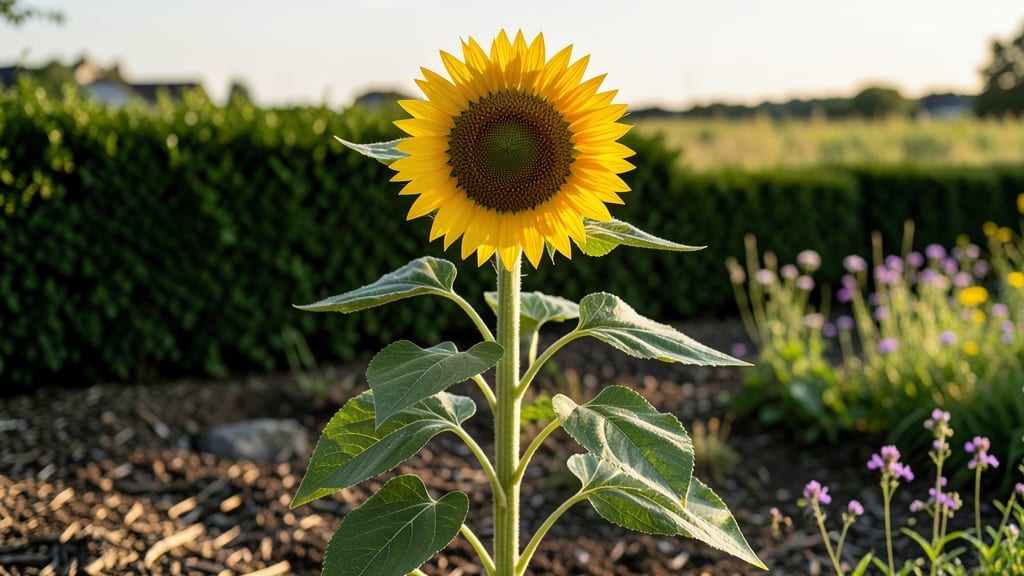
Giant sunflowers 🌻 can grow between 12 and 16 feet tall, towering over fences and even small buildings—but their final height depends on more than just the variety you pick.
Picture this: a 20-foot sunflower stretching toward the sky, its petals catching the afternoon sun like a golden spotlight. That’s the kind of drama these giants bring, but not every cultivar reaches that height.
Some stay modest at 10 feet, while others, like the 'Russian Giant,' can push 15 feet or more with the right care.
What you plant isn’t the only factor—soil quality, sunlight, and even spacing play a role in whether your sunflower hits its full potential. A crowded garden or poor drainage can stunt growth, while rich soil and consistent watering help them reach for the sky.
Below, I break down the exact height ranges for popular varieties, when to stake them for support, and how to give them the best shot at breaking records in your backyard.


Giant sunflower heights by variety: from dwarf to record-breaking giants
Giant sunflowers are nature’s skyscrapers, with some varieties reaching heights that rival small trees. But not all giant sunflowers grow to the same towering stature—some stay compact while others shoot straight for the sky.
Understanding these height differences helps you choose the perfect variety for your garden space and support needs.
Height in sunflowers isn’t just about genetics; it’s also influenced by growing conditions like sunlight, soil quality, and water availability. A Russian Giant sunflower might top out at 18 feet in ideal conditions, while the same variety in a shady spot could max out at 12 feet.
Let’s break down the most popular giant varieties and their typical heights.
If you’re planning your garden layout, consider the mature height of each variety. A Russian Giant at 18 feet will need plenty of space, while a Semi-Dwarf Giant at 8–10 feet fits well in tighter spaces.
Always check your local frost dates—giant sunflowers need a long, warm growing season to reach their full potential.
Growth rates vary by variety, but most giant sunflowers grow 2–4 feet per month under ideal conditions. For example, a Colossus sunflower might add 3 feet in June if given plenty of sunlight and water.
Tracking monthly growth helps you predict when to add support stakes or adjust watering schedules.
Maturity timelines are another key factor. The American Giant matures in 80–100 days, making it a great choice for shorter growing seasons, while the Russian Giant takes 100–120 days to reach its full height. Planting dates should align with your last frost date to ensure enough time for growth.
Soil quality plays a surprising role in height. Sunflowers thrive in well-draining, nutrient-rich soil with a pH of 6.0–7.5. Amending clay soil with compost can boost growth by up to 20%, helping varieties like the Mammoth reach their upper height limits.
Always test your soil before planting to avoid stunted growth.
Wind exposure is the silent height killer for giant sunflowers. A Russian Giant in a windy coastal area might only reach 12 feet without support, while the same plant in a sheltered inland garden could hit 18 feet.
If you’re growing giants in exposed areas, plan to stake them early—typically at 4–5 feet tall.
Harvest timing also affects perceived height. Sunflowers continue to grow until they flower, so harvesting too early can leave you with a shorter-than-expected stem. Wait until the flower buds are fully open and the petals begin to droop slightly for the best height and seed quality.
For a visual reference, imagine your sunflowers growing like this by month: June (4–6 ft), July (8–12 ft), and August (12–18 ft). By late summer, your giants will be a stunning focal point—just be prepared for the height they’ll bring to your garden! 🌻
Do giant sunflowers need support? Staking, trellising, and wind resistance tips
Giant sunflowers like the Russian Giant or Mammoth varieties can reach heights of 12–20 feet, making them architectural stars in any garden. But with that height comes a need for careful planning—especially when it comes to wind resistance and structural support.
Without proper care, even the sturdiest stems can snap under pressure, leaving you with a broken dream and a sad sunflower silhouette.
Most gardeners assume sunflowers grow upright on their own, but the truth is that tall varieties often need support starting at 4–5 feet of growth. This is when stems become top-heavy and vulnerable to bending or breaking.
The good news? With the right staking techniques and materials, you can help your sunflowers reach their full potential without sacrificing their natural beauty.
🌻
Support Needs for Giant Sunflowers
Pros of Staking
- Prevents stem breakage in wind
- Encourages straighter growth
- Supports heavier flower heads
- Extends lifespan of mature plants
Cons of Staking
- Requires extra materials (stakes, ties)
- Can limit natural movement (reduces wind resistance)
- May restrict root growth if over-tightened
- Needs regular adjustments as plant grows
Avoid for: Dwarf varieties (<10 ft), well-sheltered gardens
When deciding whether to stake your giant sunflowers, consider your local wind conditions and the specific variety you’re growing. Coastal areas with high winds will require staking for nearly all tall varieties, while inland gardens with calm conditions may get away with minimal support.
For example, the Russian Giant often needs staking by 4–5 feet, while the Mammoth can sometimes stand alone if planted in a sheltered spot.
For staking, bamboo stakes or metal garden stakes are excellent choices because they’re sturdy yet flexible enough to accommodate growth. Secure the stem loosely with soft plant ties or velcro straps—never wire, as it can cut into the stem as it thickens.
Place stakes 2–3 inches away from the stem to prevent rubbing and allow for natural movement. If you’re growing in a windy coastal region, consider adding a second stake on the opposite side for extra stability.
Another option is trellising, which works well for sunflowers grown in small spaces or against fences. Use a strong trellis net or wire mesh to create a vertical support system. This method not only provides support but also adds a dramatic vertical element to your garden design.
Just be sure to attach the trellis securely to a permanent structure, like a fence or post, to handle the weight of mature sunflowers.
If you’re unsure whether your sunflowers need support, monitor their growth closely. Look for signs like leaning stems, bending at the base, or flower heads tilting. These are clear indicators that it’s time to intervene.
With the right support, your giant sunflowers will not only survive but thrive, reaching their full 12–20 foot potential and becoming the centerpiece of your garden. 🌳