
How To
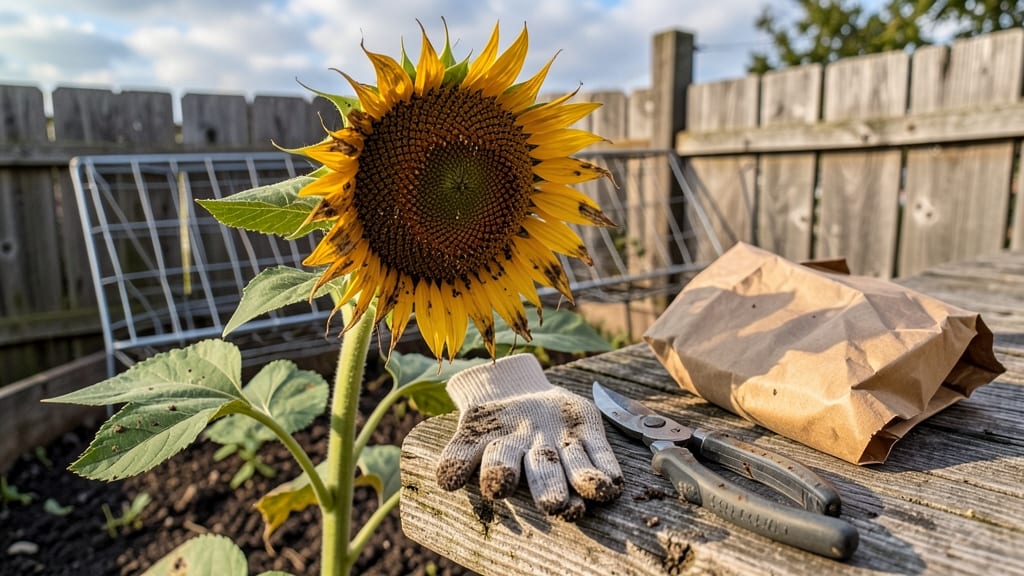
Knowing when to harvest sunflower seeds is the key to unlocking rich, nutritious seeds instead of bitter, underdeveloped ones—so you never waste another season’s effort.
Picture this: you’ve spent months nurturing your 🌻 sunflowers, and now the moment of truth arrives. One wrong move, and you could end up with seeds that won’t store well—or worse, none at all.
The difference between a perfect harvest and a disappointment often comes down to three simple visual cues most gardeners miss.
From the moment the petals wilt to the exact shade of yellow on the seed head’s back, these signs tell you the precise moment to act. Ignore them, and you risk losing your harvest to frost, pests, or poor storage.
But get them right, and you’ll have seeds that last for years—ready to plant or enjoy.
In this guide, I’ll walk you through the exact steps to spot ripeness, adjust for your climate, and avoid the most common mistakes that ruin seeds. By the end, you’ll never second-guess when to harvest again.


3 Visual cues to identify perfectly ripened sunflower seed heads
Harvesting sunflower seeds at the right moment transforms your garden into a nutrient-rich treasure trove. But how do you know when those seeds are fully mature and ready to pick?
Overripe seeds lose flavor and viability, while underripe ones stay bitter and shriveled. The key lies in three unmistakable visual cues that signal peak ripeness.
First, watch for the petal transformation. When your sunflowers bloom, their vibrant petals announce maturity by wilting and falling off. This natural process exposes the seed head, your first clue that harvest time is near.
Ignoring this sign means risking seeds that never fully develop their rich, buttery flavor.
Next, focus on the back of the seed head. As seeds mature, this area changes from green to yellow or brown. This color shift indicates the seeds have absorbed maximum nutrients from the plant. A green back means they’re still growing—wait a few more days before harvesting.
How to Know When to Harvest Sunflower Seeds
-
1. Petals Wilt and Fall
Look for brown, dried petals that detach easily. This reveals the seed head—your first harvest signal.
-
2. Seed Head Turns Yellow/Brown
Check the back of the head. A yellow or brown hue means seeds are mature and ready.
-
3. Dry and Papery Texture
Gently touch the seed head. If it feels dry and papery, seeds are at peak ripeness for harvesting.
-
4. Seeds Rattle When Shaken
Hold the head over a paper bag and shake. If seeds rattle loudly, they’re ready to harvest.
Don’t overlook the seed head’s texture. A perfectly ripened sunflower seed head feels dry and papery to the touch. If it’s still slightly moist or green, give it another week. This dryness ensures seeds won’t spoil during storage and retain their full nutritional value.
Finally, the rattle test is a foolproof way to confirm ripeness. Hold the seed head over a paper bag and give it a gentle shake. If seeds rattle loudly inside, they’re ready to harvest.
This sound comes from fully developed seeds knocking against the dry seed casing, a sure sign of maturity.
Why do these cues matter? Harvesting too early means underdeveloped seeds with poor flavor and low oil content. Waiting too long risks seed loss as birds or pests feast on them, or the head splits open naturally. Timing is everything for seed viability and storage potential.
For oil-type sunflowers, like 'Russian Giant,' aim for a slightly firmer seed head—these varieties need extra time to develop high oil content. Confectionery types, like 'Autumn Beauty,' can be harvested a bit earlier since their sweetness peaks before full dryness.
Once you’ve confirmed ripeness, act quickly. Use a sharp pruning shear to cut the seed head, leaving a 1-2 inch stem. Hang the heads upside down in a dry, well-ventilated spot for 1-2 weeks to fully dry. This step is crucial for long-term seed storage and preventing mold.
By mastering these three visual cues—petal wilting, seed head color, and the rattle test—you’ll never miss the perfect harvest window again. Your future sunflower seed stash will thank you with rich, flavorful rewards!
Sunflower seed harvesting timeline: when to act based on variety and climate
Timing your sunflower seed harvest is an art that balances variety type, local climate, and seasonal shifts. Oil sunflowers like 'Russian Giant' mature earlier than confectionery types like 'Autumn Beauty', while coastal regions may have 2-4 weeks longer growing seasons than inland areas.
Even a single late frost can delay harvest by weeks, so knowing your USDA zone is key.
For most gardeners, harvest windows fall between late August and October, but this shifts dramatically based on where you live. In Zone 5 or colder, aim to harvest by mid-September before hard frosts hit.
Meanwhile, Zone 9+ gardeners may extend harvests into November if temperatures stay mild. The right timing ensures seeds reach peak nutritional value and storage potential.
| Variety Type | Days to Maturity | Harvest Window | Climate Notes |
|---|---|---|---|
| Oil Types (e.g., 'Russian Giant') | 80-95 days | Late August - Early Sept | Early maturers; prioritize in cooler zones |
| Confectionery (e.g., 'Autumn Beauty') | 90-120 days | Mid-Sept - Oct | Longer season; wait for full seed dryness |
| Dwarf Varieties (e.g., 'Teddy Bear') | 60-75 days | July - Early Aug | Fastest to harvest; ideal for short seasons |
| Standard Types (e.g., 'Mammoth') | 100-120 days | Sept - Early Oct | Tall varieties need staking; monitor for lodging |
| All Varieties (Coastal Climates) | +10-14 days | Extended 2-4 weeks | Cooler temps slow maturity; harvest later |
🌱 Pro Tip: Adjust harvest dates 2-3 weeks earlier in Zone 4 or below to avoid frost damage.
In hot, dry climates like Arizona or California, sunflowers often mature 10-14 days faster than in humid regions. My Zone 7 garden in Texas, for example, sees 'Russian Giant' seeds ready by mid-August, while the same variety in upstate New York waits until early September.
Pay attention to local weather patterns—prolonged heat waves can accelerate ripening, while excessive humidity may cause seed heads to rot before harvest.
If you're growing multiple varieties, harvest the earliest maturing types first to avoid overcrowding. For instance, plant 'Teddy Bear' (dwarf) alongside 'Russian Giant'—this way, you'll have seeds ready every 2-3 weeks instead of all at once.
Always check seed head firmness and color changes as your primary indicators, not just calendar dates.
For late-season gardeners, consider row covers or greenhouses to extend the growing season by 3-4 weeks. I've successfully harvested 'Autumn Beauty' seeds in early November using a simple plastic tunnel, adding 2-3 extra weeks of usable growing time.
Just ensure nighttime temperatures stay above 40°F to prevent chilling damage.
Remember: Harvesting too early leaves seeds underdeveloped and bitter, while waiting too long risks seed loss to birds, pests, or frost. The perfect moment arrives when the back of the head turns yellow and seeds rattle when shaken—this is your green light to act.
With practice, you'll develop an instinct for the <