
Flowers
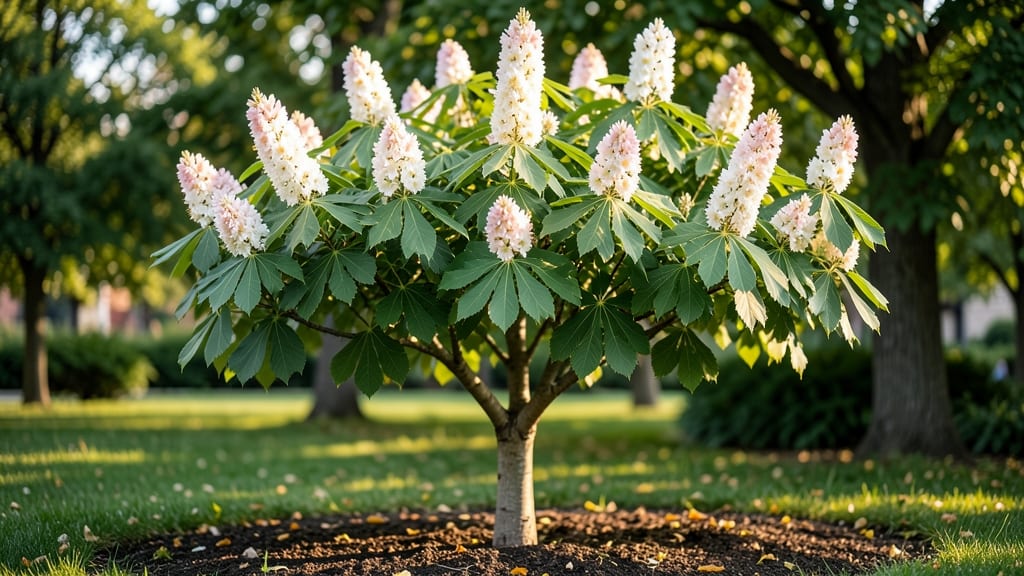
The sight of a horse chestnut 🌸 in flower transforms any garden into a springtime showstopper, its candelabra-like spikes reaching toward the sky like nature’s own chandelier.
If you’ve ever walked past a mature tree in late May and stopped dead in your tracks, you know what I mean—those delicate white or blush-pink blossoms create a scene so striking it feels almost magical.
But this isn’t just about aesthetics. Horse chestnuts also play a quiet role in supporting local ecosystems, their flowers attracting bees and butterflies in a way few other trees can match.
Whether you’re dreaming of a grand focal point for your backyard or simply want to add a touch of elegance to a mixed border, understanding how to care for and style these trees is key.
From choosing the perfect planting spot to pairing them with complementary perennials, the right approach can turn a good garden into a showstopping one.
Here’s what you need to know to make the most of their seasonal bloom—plus tips to ensure your horse chestnut thrives year after year.
When and how horse chestnut trees bloom: seasonal timeline and care tips
The horse chestnut tree (Aesculus hippocastanum) bursts into bloom with its iconic candelabra-like flower spikes in late spring, creating a stunning focal point in any landscape.
These white or pink blossoms appear between May and June, depending on your climate zone, and can last for 3-4 weeks if conditions are ideal. Understanding the seasonal bloom timeline and care requirements will help you maximize their beauty and ensure your tree thrives for decades.
For optimal flowering, horse chestnut trees need full sun to partial shade and well-drained soil with a slightly acidic to neutral pH. In USDA zones 4-7, blooms typically emerge in early May, while warmer regions like zones 8-9 may see flowers as early as late April.
The key to a spectacular display lies in proper seasonal care, from spring fertilization to summer watering strategies that prevent stress.
| Season | Bloom Stage | Care Requirements | Regional Notes |
|---|---|---|---|
| Late Winter | Bud Formation | Apply balanced fertilizer (10-10-10) in March | Warmer zones: Fertilize in February |
| Spring (May-June) | Full Bloom | Deep watering every 7-10 days; avoid overhead spraying | Northern climates: Bloom 2 weeks later |
| Summer | Post-Bloom Recovery | Mulch with 3 inches of organic mulch; monitor for leaf miners | Drought areas: Reduce watering to every 14 days |
| Fall | Seed Development | Light feeding in September; prune dead branches | Tropical zones: Bloom may occur twice yearly |
| Winter | Dormancy | Protect young trees with burlap wraps in zones 4-5 | Urban areas: Watch for salt damage from road treatments |
To encourage vibrant horse chestnut blooms, start with well-prepared planting sites. These trees thrive in loamy, slightly acidic soil (pH 6.0-7.5) with good drainage. Amend heavy clay soils with compost or sand to improve aeration.
When planting, dig a hole twice as wide as the root ball but only as deep. This allows roots to spread naturally without root suffocation.
During the blooming season, prioritize consistent moisture without waterlogging. Young trees need 10-15 gallons of water every 7-10 days, while mature specimens can handle 20-30 gallons every 2 weeks.
Water deeply in the morning to reduce fungal risks. A 3-inch layer of mulch around the base helps retain moisture and regulate soil temperature, which is crucial for flower bud formation.
Pruning plays a vital role in maintaining healthy blooming. The best time to prune is late winter or early spring, before new growth begins. Remove dead, diseased, or crossing branches to improve air circulation.
Avoid heavy pruning during the blooming season, as this can stress the tree and reduce next year's flower production. For established trees, limit pruning to 10-15% of the canopy per year to maintain
Designing with horse chestnut flowers: top 5 garden layout ideas
The horse chestnut tree in flower creates a stunning vertical focal point that elevates any garden design. Its candelabra-like blooms draw the eye upward and provide a dramatic contrast to lower-growing plants.
For small spaces, positioning it near a seating area maximizes visual impact, while larger properties can use it as a natural garden room divider with underplanting to frame the base.
When designing around horse chestnut flowers, consider their late spring bloom period (May-June) and how this aligns with other seasonal interest plants. The tree's large canopy provides shade, making it ideal for pairing with shade-tolerant perennials that thrive beneath its branches.
Let's explore five creative ways to incorporate these showstopping blooms into your garden.
1. Urban Courtyard Focal Point
Place a young horse chestnut in a large container at the courtyard center. Surround with dwarf conifers and spring bulbs like daffodils for layered interest.
2. Wildflower Meadow Base
Plant native wildflowers (like black-eyed Susans) beneath the tree's canopy. The contrasting textures create a naturalistic look while supporting pollinators.
3. Formal Garden Specimen
Position as a solitary specimen with boxwood hedges flanking either side. Add a gravel pathway leading to it for structured elegance.
4. Mixed Border Backdrop
Use as a backdrop for perennials like hydrangeas and hostas. The tree's height creates depth while its flowers complement the border's seasonal colors.
5. Woodland Garden Edge
Plant along property lines with ferns and shade-loving shrubs. The naturalistic drift creates privacy while maintaining an open feel.
For small yards, consider dwarf varieties or strategic pruning to maintain proportions. In urban spaces, container planting offers flexibility for patios and balconies. The key is balancing the tree's structural dominance with complementary plants that enhance rather than compete with its dramatic blooms.
Remember to mulch annually to protect roots and maintain moisture, especially during the critical flowering period. The tree's fall foliage and winter interest also make it a year-round asset when paired thoughtfully with evergreens and structural plants.
🌸