
Blooming
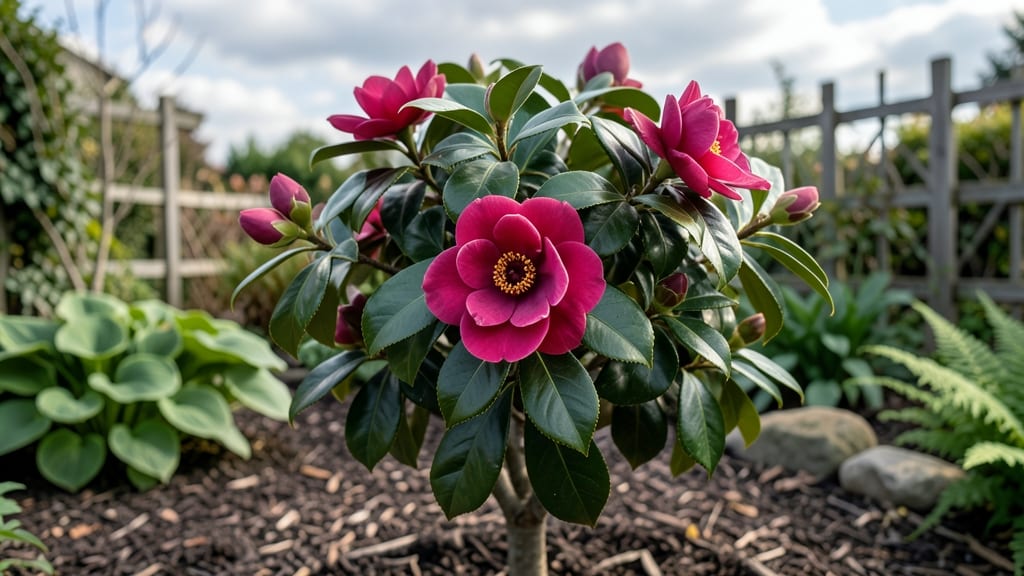
Camellia flowers bloom in seasons that shift with your climate zone 🌸, turning your garden into a winter wonderland or a springtime spectacle depending on where you live.
If you’ve ever dreamed of a garden bursting with velvety camellia blooms, timing is everything—these stunning flowers don’t bloom all year round, and their season depends entirely on your USDA hardiness zone.
In USDA Zone 7b, like much of the temperate east coast, camellias often put on their best show from late fall through early spring, while warmer zones like 8-10 may see blooms stretching into summer.
With the right care—like pruning at the right time, feeding with acidic fertilizer, and protecting them from harsh afternoon sun—you can encourage longer, more vibrant blooms and even coax a second flush of flowers.
Camellia blooming season by USDA hardiness zone: what to expect
Camellias are nature’s masterpiece, offering velvety blooms that transform gardens into winter wonderlands or springtime paradises. But their blooming season shifts dramatically depending on your USDA hardiness zone.
In warmer zones like 9-10, you might enjoy year-round interest, while cooler zones 7-8 experience more defined fall or spring blooms. Understanding these patterns helps you choose the right varieties and care for them properly.
The key to stunning camellia displays lies in matching varieties to your climate. Fall-blooming types like Camellia sasanqua thrive in zones 7-10, while spring-blooming Camellia japonica varieties prefer milder winters found in zones 7b-10.
Even a 1-zone difference can shift bloom timing by weeks. Let’s explore what to expect in each zone and how to maximize your camellia’s potential.
| Zone | Primary Bloom Season | Secondary Bloom Season | Best Varieties | Climate Notes |
|---|---|---|---|---|
| 7a-7b | Late fall (Oct-Nov) | Early spring (Mar-Apr) | 'Yuletide', 'Sasanqua' | Cold winters delay spring blooms; protect from late frosts. |
| 8a-8b | Mid fall (Sep-Oct) | Late winter (Jan-Feb) | 'Kiri no Yuuki', 'Winter’s Star' | Milder winters extend bloom windows; prune after spring blooms. |
| 9a-9b | Early fall (Aug-Sep) | Spring year-round | 'Crimson King', 'Yuletide' | Hot summers may cause stress; mulch heavily and water deeply. |
| 10a-10b | Summer to fall (Jul-Nov) | Spring to summer | 'Donation', 'Spring’s Promise' | Near-continuous blooms; protect from intense afternoon sun. |
In USDA Zone 7a-7b, where winters are colder, camellias like Camellia sasanqua bloom in late fall (October-November) and may produce a second flush in early spring (March-April). These varieties are hardy enough to withstand 20°F dips but need protection from late frosts that can damage buds.
In my garden, I’ve seen 'Yuletide' still holding blooms through Christmas!
Zones 8a-8b offer a longer bloom window, with mid-fall (September-October) and late winter (January-February) displays. Varieties like 'Kiri no Yuuki' thrive here, producing fragrant white blooms that attract pollinators.
The milder winters reduce frost risk, allowing for more predictable blooming. I always prune these after their spring flush to encourage denser foliage and better air circulation.
Warmer zones 9a-9b experience early fall blooms (August-September) and can even enjoy year-round interest with the right varieties. 'Crimson King' is a standout, offering deep red blooms that last for months.
However, the heat can be challenging—camellias in these zones need consistent moisture and afternoon shade to prevent bud drop. My trick? A 3-inch layer of mulch keeps roots cool.
For gardeners in USDA Zones 10a-10b, camellias are nearly ever-blooming, with flowers appearing from summer through fall and into spring. Varieties like 'Donation' produce pink and white blooms that seem to never end.
The challenge here is intense sunlight, which can scorch leaves. I’ve found that positioning them under light shade trees or using shade cloth extends their bloom periods.
Climate plays a huge
How to extend your Camellia blooming season with pruning and care
Want your camellia bushes to burst into bloom for weeks instead of just a few? The secret lies in strategic pruning and year-round care tailored to your USDA zone.
Unlike many plants, camellias reward patience—proper timing and techniques can stretch their blooming season from a few weeks to nearly year-round in ideal conditions.
First, understand that Camellia japonica (spring bloomers) and Camellia sasanqua (fall/winter bloomers) have different needs. While sasanqua varieties often bloom in cooler months, japonica types need precise pruning to encourage repeat flowering. Let’s break down the actionable steps to maximize your camellia’s potential.
🌸 Top 5 Tips to Extend Camellia Blooms
- 🌱 Prune after blooming: Always trim Camellia japonica in late spring (May-June) to avoid cutting off next year’s buds. For sasanqua, prune in early spring (February-March).
- 🌿 Feed with acid fertilizer: Use an 8-4-8 NPK blend in early spring (March) and early fall (September) to fuel blooms. Avoid high-nitrogen fertilizers—they promote leaves over flowers.
- ☀️ Provide morning sun: Camellias thrive in partial shade (4-6 hours of morning sun). Afternoon shade protects blooms from scorching, especially in zones 8-10.
- 💧 Water deeply but infrequently: 1-2 gallons per plant weekly during dry spells. Mulch with pine bark to retain moisture and acidify soil naturally.
- ✂️ Thin out dense growth: Remove 1/3 of oldest stems every 2-3 years to improve airflow. This reduces disease risk and encourages new flowering branches.
For Camellia sasanqua, which often blooms in fall and winter, focus on light pruning after their first flush of flowers. These varieties are more forgiving—you can even prune lightly in mid-winter (January-February) to shape them without risking next season’s buds.
In contrast, japonica types set buds in late summer, so avoid heavy pruning until after they finish blooming.
Don’t overlook the power of seasonal adjustments. In zones 7-8, where winters are milder, sasanqua camellias may bloom as early as October and continue through January. To extend this, apply a light fertilizer in late summer (August) to jumpstart fall growth.
In warmer zones (9-10), where japonica types bloom in spring, a second flush can sometimes be coaxed with a pinch of buds in early summer.
Finally, watch for pests like camellia leaf miners or aphids, which can stress your plant and shorten bloom time. A neem oil spray in early spring keeps them at bay.
With these simple adjustments, your camellias could reward you with near-continuous blooms—turning your garden into a year-round showcase. 🌸