
Flowers
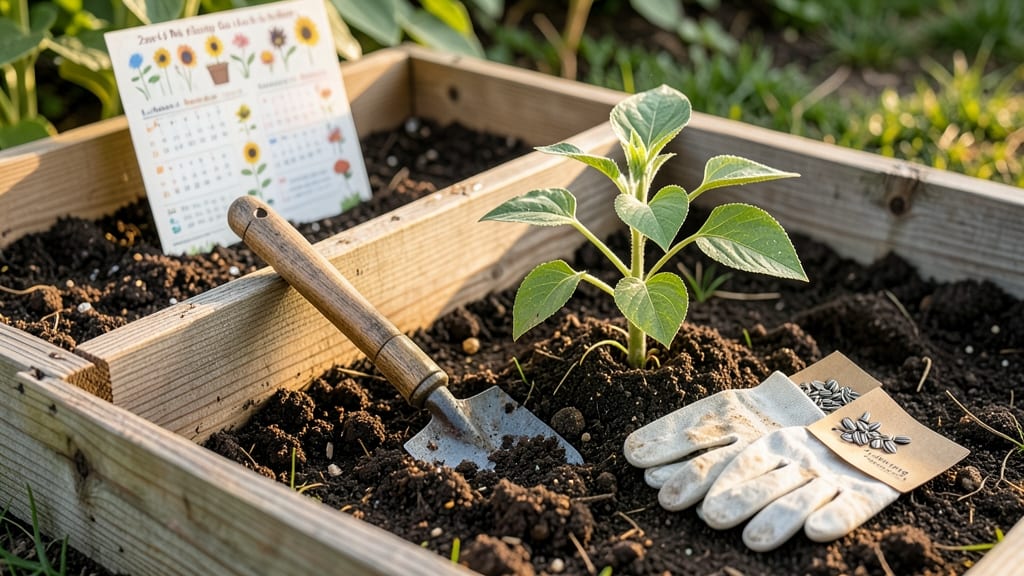
To plant sunflowers in Zone 6, aim for mid-April to mid-June after the last frost—when soil temps hit 50°F and the ground is workable.
Sunflowers aren’t just cheerful faces in fields—they’re a gardener’s dream for quick, dramatic blooms. But timing your Zone 6 planting just right means the difference between stunted stalks and 12-foot giants reaching for the sky.
Zone 6’s 165 frost-free days give you a narrow window to work with, especially if you’re growing taller varieties. Plant too early, and a late frost will set you back; too late, and your sunflowers won’t mature before fall’s chill.
Below, I’ll break down the exact dates, soil prep tricks, and how to adjust for Zone 6’s unpredictable spring—so you can grow sunflowers that tower instead of struggle.

Zone 6 sunflower planting dates: exact timing for maximum growth
Sunflowers thrive when planted at the right time in Zone 6, where cool springs and warm summers create a perfect growing window. The key is aligning your planting with last frost dates, soil temperatures, and your chosen variety’s maturity timeline.
Get it wrong, and you’ll end up with leggy, weak stalks or flowers that bolt too quickly. But nail the timing, and you’ll grow sunflowers that reach their full 6-to-14-foot potential.
Most gardeners in Zone 6 focus on spring planting, but late-summer options exist too. The USDA Plant Hardiness Zone Map confirms Zone 6’s average last frost date falls between April 15 and May 1, depending on your exact location.
For example, Chicago typically sees its last frost around April 20, while Raleigh waits until April 10. Always check your local Almanac for precision.
Soil temperature is another critical factor—sunflower seeds need soil temps above 50°F (10°C) to germinate. In Zone 6, this usually happens by early May, but cooler microclimates (like shaded areas) may delay it. Use a soil thermometer to confirm readiness before planting. Pro tip: If your soil is still chilly, consider black plastic mulch to warm it faster.
| Planting Window | Best Varieties | Days to Maturity | Soil Temp Requirement |
|---|---|---|---|
| Early Spring (Mid-April) | Early Maturity: 'Autumn Beauty,' 'Teddy Bear' | 50-60 days | 50°F+ (10°C+) |
| Standard Spring (May 1-15) | Medium Maturity: 'Moulin Rouge,' 'ProCut' | 70-90 days | 55°F+ (13°C+) |
| Late Spring (May 15-June 1) | Late Maturity: 'Russian Giant,' 'Mammoth' | 100-120 days | 60°F+ (16°C+) |
| Late Summer (July-August) | Fast-Growing: 'Sunspot,' 'Little Becka' | 55-65 days | 50°F+ (10°C+) |
Your seed packet is your best friend for exact timing. Most sunflower varieties list their days to maturity—count backward from your first expected frost date (usually October 15 in Zone 6) to determine the latest you can plant.
For example, a 90-day variety planted on July 15 will still reach maturity before frost. This method works perfectly for late-summer sunflowers, which add color to your garden when many annuals fade.
Direct sowing is the best method for sunflowers in Zone 6, but you can start seeds indoors 2-3 weeks before your last frost if you’re eager. Use biodegradable pots to avoid transplant shock when moving seedlings outdoors.
Harden them off by placing them outside for 2-3 hours daily the week before transplanting. Remember, sunflowers have deep taproots, so avoid disturbing them once they’re in the ground.
Spacing matters too. Plant seeds 1 inch deep and 6 inches apart, then thin seedlings to 12-24 inches apart (depending on variety). Overcrowding leads to weak stalks and fewer blooms. If you’re growing sunflowers for cut flowers, space them 24 inches apart to ensure sturdy stems.
For bird feed, closer spacing (12 inches) works well, as smaller heads attract more wildlife.
Zone 6’s short growing season (about 165 frost-free days) means choosing the right variety is crucial. Early varieties like 'Teddy Bear' (50 days) are perfect for
How to adjust sunflower planting for Zone 6’s unpredictable spring weather
Zone 6’s spring weather is famously fickle—one day it’s 70°F and sunny, the next it’s a 28°F surprise. Sunflowers, while hardy, need consistent warmth to thrive. I’ve learned the hard way that rushing planting after a false spring can leave your seeds buried under snow.
The key is flexibility: knowing when to start indoors, when to direct-sow, and how to protect tender seedlings from late frosts.
Most sunflower varieties need soil temperatures of at least 55°F to germinate. In Zone 6, this usually happens by mid-May, but cool, wet springs can delay it for weeks. I’ve even seen June planting work for fast varieties like ‘Teddy Bear’ (50-60 days to maturity).
The trick is matching your sunflower’s days-to-maturity with your frost-free window—typically 165 days in Zone 6.
⚠️ WARNING: False Springs Are Sunflower Killers ⚠️
- Check soil temp with a thermometer—wait until it’s 55°F+ for 5+ days.
- Use row covers (lightweight fabric) if planting early—remove when flowers appear.
- Avoid tall varieties like ‘Mammoth’ (120+ days) unless you’re planting by mid-May.
For cool springs, I recommend starting seeds indoors 2-3 weeks before your last frost date. Use biodegradable pots and place them near a sunny window or under grow lights.
Sunflowers germinate quickly (7-14 days), but they’re sensitive to transplant shock. Harden off seedlings by moving them outdoors for 2-3 hours daily the week before transplanting.
If you’re direct-sowing, warm your soil faster with black plastic mulch or clear plastic tunnels. Remove the plastic once soil reaches 60°F and seedlings emerge. I’ve had success with straw mulch too—it insulates roots and retains moisture. Just avoid piling it against stems to prevent rot.
Watch for false springs by monitoring local weather patterns. Signs include rapid leaf-out on trees followed by a sudden drop in temps. If frost is forecasted, cover seedlings with frost cloth or even old blankets.
Water the soil before covering to trap heat. Never use plastic directly on plants—it can burn leaves in sunlight.
For maximum blooms, pair your sunflowers with companion plants like borage or nasturtiums. These act as living mulch, suppressing weeds and moderating soil temps.
And remember: sunflowers are drought-tolerant once established, but they’ll reward you with bigger blooms if you water deeply 1-2 times per week during their first month.