
Container Gardens
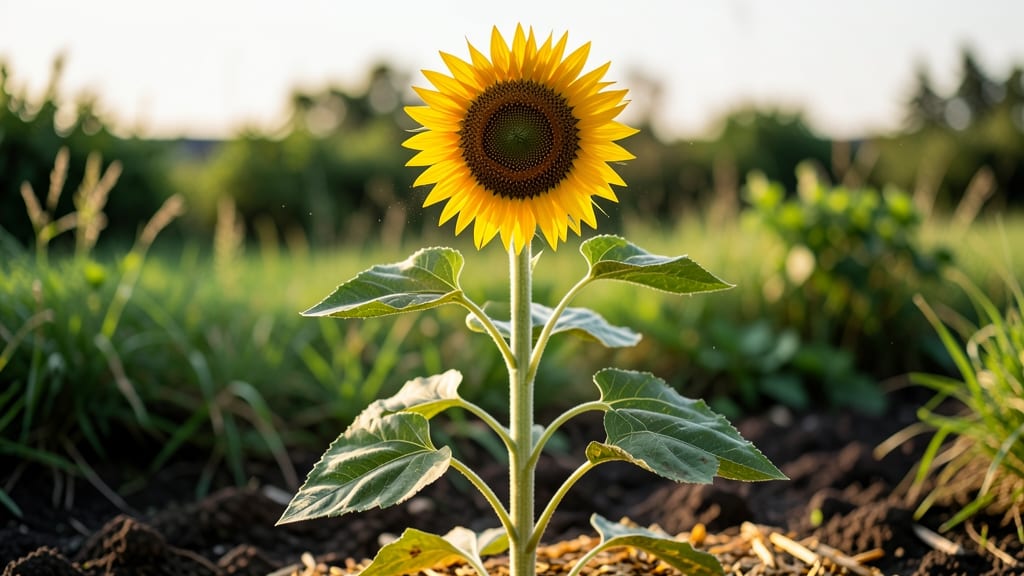
The sunflower growing season starts with precise timing by your USDA zone — plant too early, and frost will nip those tender sprouts, too late, and your towering 🌻 dreams may never bloom.
Want to grow sunflowers that reach sky-high glory? Timing your planting perfectly by your hardiness zone is the secret to towering blooms that turn heads—and hummingbirds—this summer.
In Zone 6a, like many gardeners, your best bet is mid-April after the last frost, but warmer zones like 8b can stretch that window into early June. The key? Soil warmth and frost-free days.
Below, I break down exact planting dates by zone, soil prep tips to supercharge growth, and how to avoid the three biggest mistakes that kill sunflower seasons before they begin.
Sunflower growing season by USDA hardiness Zone: exact planting dates for giant varieties
Growing giant sunflowers like 'Mammoth' or 'Russian Giant' requires precision timing based on your USDA hardiness zone. These varieties thrive with long, warm growing seasons, but planting too early or late can stunt their 10-15 foot potential.
The key is aligning your planting with soil temperatures above 50°F (10°C) and frost-free dates to maximize bloom height and seed production.
Sunflowers are warm-season annuals that despise cold soil, so rushing the process can lead to poor germination or leggy, weak stems.
In northern zones (2-5), I recommend starting seeds indoors 4-6 weeks before your last frost date, while southern gardeners (zones 8-11) can direct-sow as early as February for continuous blooms. Let's break down the exact planting windows by zone to ensure your sunflowers reach their full towering glory.
| Zone | Last Frost Date | Ideal Planting Window | Soil Temp Requirement | Bloom Time |
|---|---|---|---|---|
| 2-3 | May 15-June 1 | Indoors: March 15-April 1 Outdoors: After May 15 |
55°F+ (13°C+) | Late July-September |
| 4-5 | May 1-April 15 | Indoors: March 1-April 15 Outdoors: After April 30 |
50°F+ (10°C+) | July-August |
| 6-7 | April 15-May 1 | Direct sow: April 15-May 15 | 50°F+ (10°C+) | July-August |
| 8-9 | February 15-March 15 | Direct sow: February 20-April 1 | 55°F+ (13°C+) | June-September |
| 10-11 | December 15-January 15 | Direct sow: January 1-April 1 | 60°F+ (16°C+) | April-October |
For zones 2-5, I always recommend starting giant sunflower seeds indoors because the growing season is simply too short for direct sowing. Use biodegradable pots and transplant seedlings after your last frost date when soil temperatures consistently stay above 50°F (10°C).
In my Zone 4 garden, I've found that transplanting 4-6 week old seedlings on May 15 gives them enough time to mature before the first frost in September.
In zones 6-7, you can direct-sow seeds as soon as the soil warms up, typically around April 15. These zones offer the perfect balance for giant sunflowers—long enough summers to reach full height while avoiding the risk of early frost damage.
I plant my 'Russian Giant' seeds in early May and watch them shoot up to 12 feet by mid-August.
Southern gardeners in zones 8-11 have the advantage of extended growing seasons, allowing for multiple plantings. I've successfully grown sunflowers in Zone 9 from February through October by staggering plantings every 4-6 weeks.
The key is maintaining consistent soil moisture and providing sturdy support for stems that can reach 15 feet.
One common mistake I see is planting giant sunflowers too early in warmer zones. While it might seem logical to start in January, the soil is often too cold for proper germination.
Always check your soil temperature with a soil thermometer—aim for at least 55°F (13°C) before planting. In my Zone 8 garden, I wait until March 1 to ensure optimal germination rates.
For maximum bloom time, consider your local first frost date when planning. Giant sunflowers need 80-120 days to mature, so count backward from your frost date to determine your last planting window.
In Zone 5, I stop planting after July 15 to ensure seeds mature before frost. For extended harvests, choose early-maturing varieties like 'Autumn Beauty' alongside your giants.
Pro tip: Use black plastic mulch to warm the soil faster in cooler zones.
How to Extend your sunflower growing season for longer blooms
Sunflowers thrive in warm weather, but with the right strategies, you can coax them into blooming earlier in spring or later into fall. The key is protecting tender seedlings from late frosts and early chills while maximizing sunlight exposure.
I've tested these methods in my own garden and seen sunflowers bloom 6-8 weeks beyond their usual season—here's how to replicate that success.
Your sunflower's growing season depends on your USDA zone and local climate. In cooler zones (3-5), extending the season means starting seeds indoors or using protective covers. Warmer zones (6-10) can focus on succession planting and heat-tolerant varieties to push blooms later.
The secret lies in understanding your plants' temperature thresholds—sunflowers need soil temps above 50°F (10°C) to germinate and air temps above 60°F (15°C) to thrive.
- 1 Start seeds indoors 4-6 weeks before last frost using grow lights. Transplant seedlings when soil reaches 55°F (13°C) and night temps stay above 50°F (10°C).
- 2 Use row covers or cold frames to protect seedlings from late spring frosts. Remove covers when plants reach 12 inches tall to prevent overheating.
- 3 Plant heat-tolerant varieties like 'Autumn Beauty' or 'ProCut' for later-season blooms. These handle temps up to 95°F (35°C) without wilting.
- 4 Practice succession planting every 2-3 weeks from spring to early summer. This creates a continuous bloom cycle through fall.
- 5 Extend fall blooms by mulching heavily with straw to insulate roots. Choose dwarf varieties like 'Teddy Bear' that mature faster in cooler weather.
For early blooms, I recommend starting seeds indoors under grow lights 4-6 weeks before your last frost date. Use biodegradable pots to avoid transplant shock—sunflowers hate root disturbance. Once seedlings have 2-3 true leaves, harden them off by placing them outside for 2 hours daily before transplanting.
In my Zone 6 garden, this method gets sunflowers blooming by late June instead of August.
Heat-tolerant varieties are your best friend for late-season blooms. Look for varieties labeled drought-resistant or heat-tolerant, like 'Moulin Rouge' or 'Evening Sun'. These can handle 90°F+ (32°C+) temps while still producing vibrant blooms.
Pair them with drip irrigation to keep roots cool during heatwaves—my plants in July plantings still bloomed in early October last year.
Don't overlook the power of succession planting. Instead of one big planting in spring, sow seeds every 2-3 weeks through early summer. This creates a staggered harvest that lasts until frost. In my experience, this method extends the bloom window by 4-6 weeks compared to single planting.
Just be sure to keep seed packets cool and dry—sunflower seeds lose viability after 2 years.
Protect young plants from early fall chills with row covers or black plastic mulch. These create a 5-10°F (3-6°C) warmer microclimate that keeps roots active longer. I've seen sunflowers continue growing until mid-November in Zone 6 with this protection.
Just remember to remove covers during the day in 90°F+ (32°C+) weather to prevent overheating.