
Plants
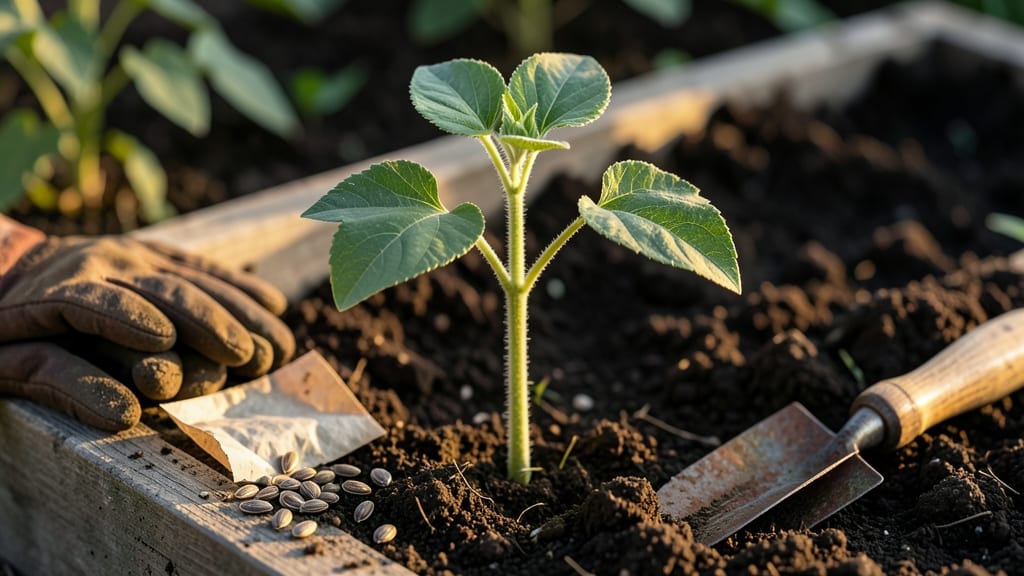
To plant sunflower seeds in Arkansas, aim for mid-April to early May when soil warms to 60–65°F—the sweet spot for those iconic 12-foot stalks.
Sunflowers aren’t just stunning additions to Arkansas gardens—they thrive when planted at the perfect time, ensuring those iconic towering blooms reach their full potential before fall’s first frost. But with Arkansas’ USDA Zones 7a and 7b offering a narrow window, timing is everything.
Get it wrong, and you risk stunted growth or flowers that bolt too early. Get it right, and you’ll enjoy sunflowers that tower over your garden by summer, attracting pollinators and providing seeds for birds.
Below, I break down the exact planting deadlines for your region, how to adjust for Arkansas’ unpredictable weather, and the best sunflower varieties to grow—so you can enjoy those golden blooms from July through October.
Arkansas sunflower planting deadlines by USDA Zone 7a/7b: exact dates for peak growth
Arkansas gardeners know that sunflowers need precise timing to reach their iconic 10-foot heights before fall frost. In USDA Zones 7a/7b, the window between last frost (March 15–April 15) and first frost (November 1–15) is narrow—just 170–200 days.
Missing this window means stunted growth or no blooms at all.
For peak growth, aim to plant sunflower seeds when soil temperatures hit 60–65°F (15–18°C). In northern Arkansas (Zone 7a), this typically aligns with mid-April, while southern regions (Zone 7b) can start as early as late March.
Using a soil thermometer ensures you don’t plant too soon and risk frost damage.
Here’s the exact breakdown of planting deadlines for Arkansas’ microclimates, including soil temp thresholds and frost-free period calculations to maximize bloom height and seed production:
For tallest blooms, prioritize spring planting in Zone 7a/7b. Start seeds indoors 4–6 weeks before your last frost date (by late February) to give them a head start. Transplant seedlings outdoors only after soil warms to 55°F (13°C)—cold soil slows germination.
If you miss the spring window, don’t despair! Arkansas’ long frost-free period allows for a second planting in late July. Choose fast-maturing varieties (60–75 days) like ‘Teddy Bear’ or ‘Little Becka’ for smaller, late-season blooms. Just be sure to harvest seeds before the first frost to avoid spoilage.
Pro tip: Use black plastic mulch to warm soil faster in early spring. This trick can shave 1–2 weeks off your planting timeline, giving sunflowers more time to grow before summer heat sets in. Monitor soil temps daily with a thermometer for precision.
In Arkansas’s humid climate, overcrowding is a common mistake. Space seeds 6–12 inches apart (depending on variety) to ensure each plant gets 4–6 hours of direct sunlight. Tall varieties like ‘Russian Giant’ need 18+ inches of space to avoid competition for nutrients.
Once planted, maintain 1–2 inches of mulch around the base to retain moisture and suppress weeds. Arkansas summers bring high humidity, so water deeply 2–3 times per week—especially during bud formation. Avoid wetting leaves to prevent fungal diseases like powdery mildew.
For seed production, let a few blooms mature fully. Watch for the back of the flower head to turn yellow-brown—this signals seeds are ready to harvest. Cut the head, dry it indoors for 2 weeks, then rub seeds free for next year’s garden.
🌻
How to adjust planting time for Arkansas’ unpredictable weather: frost risks and heat tolerance
Arkansas gardeners know that unpredictable weather can turn a thriving sunflower patch into a frost-nipped disappointment. The key to success lies in flexible planting strategies that account for late frosts and scorching summers.
With USDA Zones 7a and 7b, your window for planting sunflower seeds stretches from mid-March to early May, but timing depends on your microclimate.
In northern Arkansas (like Fayetteville), where last frost dates average March 15–April 15, you’ll want to wait until soil warms to 60–65°F (15–18°C). Southern Arkansas (Little Rock area) can plant earlier, around mid-March, but always monitor forecasts.
The challenge? Arkansas’ first frost typically arrives November 1–15, leaving just 6–7 months for sunflowers to mature.
Late Frost Warning for Sunflowers
If your sunflower seedlings appear after a late frost warning, act fast! Use row covers or black plastic mulch to raise soil temps by 5–8°F. For direct-sown seeds, wait until soil is consistently 60°F+—cold soil delays germination and invites rot.
For gardeners eager to extend the season, starting sunflower seeds indoors 2–3 weeks before your last frost date is a game-changer. Use biodegradable pots and transplant seedlings when they’re 3–4 inches tall.
This head start helps them outpace late frosts, especially in Zone 7a where chilly nights linger longer.
Heat stress is another Arkansas hurdle. When temps soar above 90°F (32°C), sunflowers may wilt or drop buds. To combat this, mulch heavily with straw to retain moisture and water deeply in the morning.
Look for yellowing leaves or drooping stalks—signs your plants need relief. Dwarf varieties like ‘Teddy Bear’ handle heat better than giants like ‘Mammoth’.
Don’t forget to check Arkansas Cooperative Extension Service for localized alerts. Their frost-free calculators adjust for your exact zip code, helping you avoid common pitfalls. With these adjustments, your sunflowers will reach their full height—some even surpassing 12 feet—before Arkansas’ first frost.
Pro tip: Plant a second crop in early July for late-summer blooms. These sunflowers will mature just in time for fall festivals before winter sets in. Just ensure your soil stays warm enough for germination—70°F+ is ideal.