
Propagation
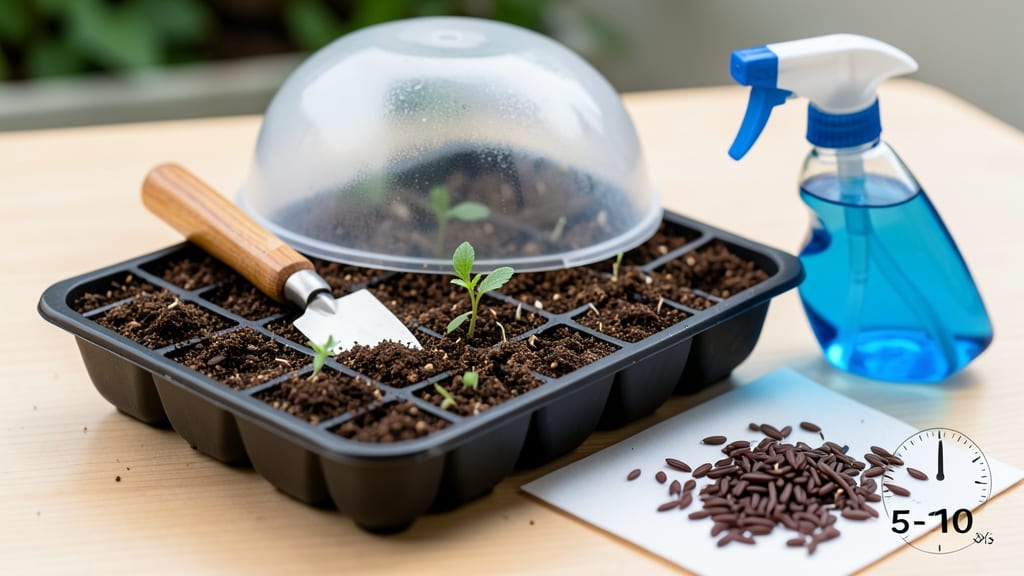
How long does it take flower seeds to germinate? The answer can range from just 3 days to over 4 weeks, depending entirely on the variety and conditions you provide 🌱.
Ever stared at a seed tray, willing tiny sprouts to appear, only to wonder if you’ve done something wrong? You’re not alone—many gardeners assume all seeds follow the same timeline, but the truth is far more varied.
Some quick-sprouting annuals like marigolds or zinnias pop up in days, while others, like delphiniums or lupines, may take weeks to break through the soil. The difference often comes down to temperature, moisture, and even the seed’s age.
Below, I break down the exact germination windows for popular flowers, share proven tricks to speed up the process, and help you spot the signs of a true delay versus a stubborn seed that just needs patience.

Germination time for popular flower seeds: exact days by type
If you've ever eagerly waited for tiny green sprouts to appear after planting flower seeds, you know patience is key. Germination times vary dramatically between species—some pop up in just 3 days, while others may take up to 3 weeks.
Understanding these timelines helps you set realistic expectations and troubleshoot delays. Let's break down the exact germination periods for your favorite flowers, from speedy annuals to patient perennials.
Fast germinators like marigolds and zinnias often emerge within 5-7 days under ideal conditions, while slower seeds such as lavender or delphiniums may need 2-3 weeks to break through the soil. Temperature, moisture, and seed age all play critical roles in these timelines.
For example, planting petunias in cool soil can stretch their germination to 14-21 days instead of the usual 7-10 days.
Annual flowers like marigolds and zinnias are among the fastest germinators, often appearing within 3-7 days when soil temperatures reach 70-85°F. These speedy bloomers make them perfect for quick color in containers or garden beds.
To encourage rapid germination, I always pre-warm the soil with black plastic mulch a few days before planting. This small step can shave off critical days from the germination timeline.
Perennial seeds typically take longer to germinate because they often require stratification (a cold period) or have tougher seed coats. For example, lavender seeds may need 14-21 days to sprout, while delphiniums can take up to 30 days under ideal conditions.
If you're impatient, soaking these seeds overnight in warm water before planting can help break dormancy and speed up the process by 3-5 days.
Environmental factors like soil temperature and moisture levels can dramatically alter germination times. For instance, petunias germinate in 7-10 days at 75°F, but if soil temperatures drop below 65°F, germination may stretch to 3 weeks.
I've learned the hard way that planting cool-season flowers like snapdragons too early in warm soil can actually delay sprouting—sometimes by 10 days or more.
Light requirements also play a role. Many flower seeds, including zinnias and sunflowers, need light to germinate and should be planted just below the soil surface or lightly covered. Others, like lupines, require darkness and should be planted 1-2 inches deep.
Misjudging light needs can cause seeds to rot before they sprout. For example, I once planted lupine seeds too shallowly and lost them entirely to mold.
If you're growing flowers from seed for the first time, start with fast germinators like marigolds or cosmos to build confidence. These seeds are forgiving and provide quick rewards. Once you've mastered the basics, experiment with slower germinators like coneflowers
How to speed up germination for stubborn flower seeds
Even the most patient gardeners can get frustrated when flower seeds take forever to sprout. The good news? You can cut germination time in half with the right techniques.
Understanding your seeds' needs—like optimal soil temperatures and moisture balance—is key to faster results. Let’s dive into science-backed methods to coax those stubborn seeds into action.
First, recognize that seed dormancy and environmental factors play huge roles. Some seeds, like marigolds or snapdragons, sprout in just 5-7 days under ideal conditions, while others, like delphiniums or lupines, can take 3-4 weeks.
The difference often comes down to how you prep them and maintain their environment.
⚠️ callout-warning ⚠️
⚠️ Germination Timelines Aren’t Set in Stone
Waiting twice the expected time doesn’t always mean failure. Delphiniums (21-30 days) or lupines (14-28 days) may need cold stratification or light exposure to break dormancy. If seeds are firm and unrotted, keep waiting—but if they’re mushy or moldy, replant fresh seeds.
💡 Pro Tip: Label trays with seed types and planting dates to track progress accurately.
Start with soil temperature, which is often the biggest hurdle. Most flower seeds germinate best between 65°F and 75°F. Use a seedling heat mat ($15-$25) if your home runs cooler.
For cold-loving seeds like foxgloves or columbines, chill them in the fridge for 1-2 weeks before planting to mimic winter conditions.
Moisture is another critical factor—too little dries out seeds, while too much causes rot. Keep soil consistently damp (not soggy) by misting daily or using a spray bottle.
For stubborn seeds, try pre-soaking in lukewarm water for 12-24 hours before planting. This softens the seed coat and speeds up hydration. Zinnias and cosmos respond well to this trick!
Light requirements vary by seed type. Fast germinators like basil or marigolds need light immediately to prevent damping off, but slow germinators like snapdragons or larkspur can wait until sprouts appear.
Cover trays with plastic wrap or a clear lid to retain humidity, then remove it once seeds sprout to prevent fungal growth.
Avoid these common mistakes that stall germination: overwatering (which suffocates seeds), planting too deep (buried seeds struggle to reach light), and using old or low-quality seeds. Always store seeds in a cool, dry place and replant them within 1-2 years for best results.
With the right care, even the slowest seeds can surprise you!