
Plants
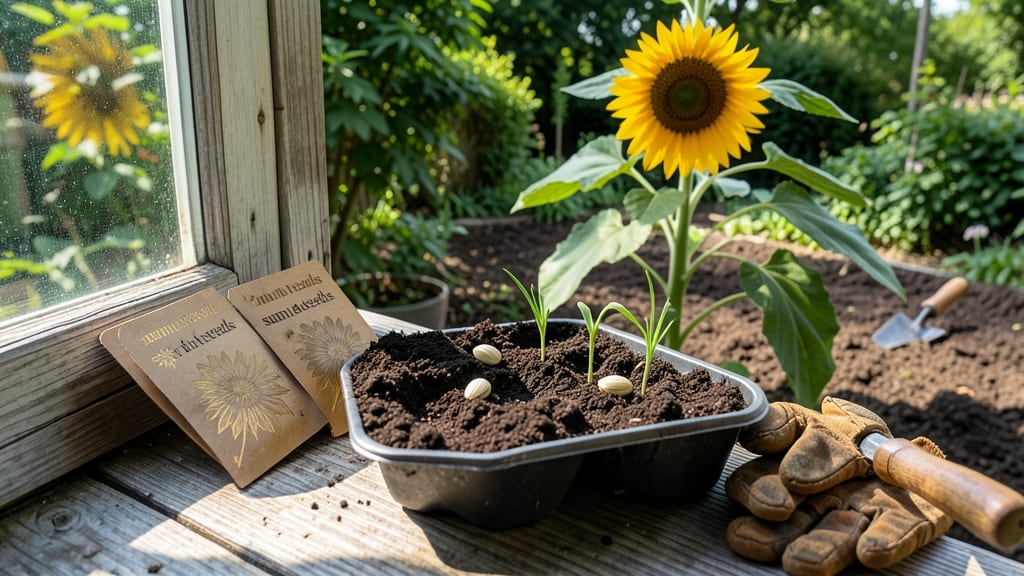
Plant sunflower seeds in Oklahoma from mid-April to early June, when soil temperatures hit 55°F and the last frost has passed—this is the golden window for avoiding heat stress and maximizing blooms.
If you’ve ever watched a sunflower wilt under Oklahoma’s sudden heatwaves, you know timing is everything. Plant too early, and frost zaps tender seedlings; too late, and the summer sun burns them before they reach 5 feet tall.
Below, I break down the exact planting schedule for USDA Zones 6b-8a, including soil prep tricks to beat Oklahoma’s unpredictable weather and the top varieties that handle the heat without wilting.
You’ll also learn how to adjust for late frosts, drought spells, and even second-season plantings—so your sunflowers 🌻 stand tall no matter what Mother Nature throws your way.
Best planting windows for Oklahoma sunflowers by month (with heat tolerance guide)
Oklahoma’s Zone 7a/7b climate means sunflowers can thrive year-round with the right timing. The key is planting when soil temperatures stay above 55°F and nighttime temps won’t dip below 45°F. Early plantings risk frost damage, while late plantings may struggle with summer’s 100°F+ heat.
Let’s break down the best months to plant sunflower seeds in Oklahoma, including heat thresholds and success rates.
For maximum growth, aim to plant sunflower seeds between mid-April and early June. This window ensures your sunflowers mature before Oklahoma’s first frost (typically mid-November) and avoid the worst of summer heat stress.
However, Oklahoma’s unpredictable weather means flexibility is key—especially in northern regions like Zone 7a, where late frosts are more common.
Here’s your heat-tolerance guide for Oklahoma sunflowers. Most varieties tolerate up to 95°F daytime temps, but prolonged exposure above 100°F can stunt growth.
Southern Oklahoma (Zone 7b) gardeners have a slightly longer window to plant in late summer for fall blooms, but seeds may struggle to germinate if soil stays too hot.
If you’re planting in March, focus on northern Oklahoma where frosts linger longer. Use black plastic mulch to warm soil faster and protect young seedlings. For April plantings, this is the sweet spot—soil is warm enough for germination, and daytime temps are perfect for early growth.
I’ve had my best success with ‘Moulin Rouge’ and ‘Autumn Beauty’ varieties during this window.
For May plantings, prioritize drought-tolerant varieties like ‘ProCut’ or ‘Russian Giant’. These can handle Oklahoma’s summer heat better than standard types. Water deeply at the base of the plant in the morning to prevent fungal issues from evening moisture. Avoid overhead sprinklers, which can stress sunflowers during heatwaves.
Southern Oklahoma gardeners in Zone 7b can attempt early June plantings, but success depends on immediate access to water. Use drip irrigation to keep soil consistently moist without wetting the leaves. If you’re in this zone, consider short-season varieties like ‘Teddy Bear’ that mature quickly before summer’s peak heat.
July and August plantings are not recommended unless you’re using shade cloth to cool the soil. Even then, sunflowers planted this late may not reach maturity before Oklahoma’s first frost. If you’re determined to try, opt for fast-maturing varieties (under 60 days) and monitor soil moisture closely.
I’ve seen mixed results with this approach, so it’s best saved for experimental gardeners.
Pro tip: Test your soil temperature with a soil thermometer before planting. Sunflower seeds need soil that’s at least 55°F to germinate properly. If your soil is cooler, wait a few more days or use a seedling heat mat for faster sprouting.
In Oklahoma’s unpredictable climate, patience pays off—better to wait for ideal conditions than risk losing your seeds to frost or heat stress.
Remember, sunflowers are drought-tolerant once established, but they need consistent moisture during germination. Mulch heavily around your plants to lock in moisture and regulate soil temperature. This is especially critical in Oklahoma’s Zone 7a, where summer droughts can be severe.
With the right timing and care, your sunflowers will reward you with vibrant blooms and even edible seeds by late summer.
How to adjust sunflower planting for Oklahoma’s unpredictable weather patterns
Oklahoma’s weather can shift from freezing nights to 100°F heatwaves in a matter of weeks, making sunflower planting tricky. The key is preparing your soil and seeds for these extremes.
Start by testing your soil’s drainage and pH—sunflowers prefer 6.0–7.5 pH and well-draining soil to avoid root rot during sudden downpours. Amend heavy clay soil with compost or sand to improve aeration.
Timing is everything in Oklahoma. Planting too early risks late frost damage, while planting too late can leave your sunflowers struggling in the summer heat. The ideal window is mid-April to early June, but adjust based on your microclimate.
Northern Oklahoma (Zone 7a) may need to wait until late April, while southern regions (Zone 7b) can start as early as early April.
⚠️ WARNING: Oklahoma’s Late Frost Risk
Planting sunflower seeds before the last frost (typically mid-to-late March) is risky. Even hardy varieties can suffer from cold snaps. Use row covers or wait until soil temperatures reach 50°F (10°C) for consistent germination. Monitor local frost dates—northern Oklahoma’s last frost can linger until April 15!
Adjust your seed depth based on soil moisture. In dry conditions, plant seeds 1–1.5 inches deep to retain moisture. In wet springs, shallow planting (0.5–1 inch) helps prevent rot.
Space seeds 6–12 inches apart, depending on the variety—dwarf types need less space, while giant varieties require 18+ inches to avoid competition.
Mulching is a game-changer in Oklahoma’s unpredictable climate. Apply a 2–3 inch layer of straw or wood chips around plants to retain moisture during droughts and insulate roots from heat spikes.
Avoid organic mulches like grass clippings, which can mat and suffocate young seedlings. Replenish mulch every 4–6 weeks to maintain effectiveness.
Watering strategies must adapt to Oklahoma’s dry spells and sudden storms. Water deeply once a week during establishment, then reduce to every 10–14 days once roots are established.
Use drip irrigation to deliver water directly to the soil, reducing evaporation. Avoid overhead watering, which can spread fungal diseases during humid periods.
Keep an eye on heat stress signs like yellowing leaves or drooping stems. If temperatures exceed 95°F (35°C) for multiple days, provide afternoon shade cloth until plants acclimate.
Choose heat-tolerant varieties like ‘Autumn Beauty’ or ‘ProCut Hybrid’ for better resilience. With these adjustments, your sunflowers will bloom tall and strong despite Oklahoma’s whimsical weather! 🌻