
Blooming
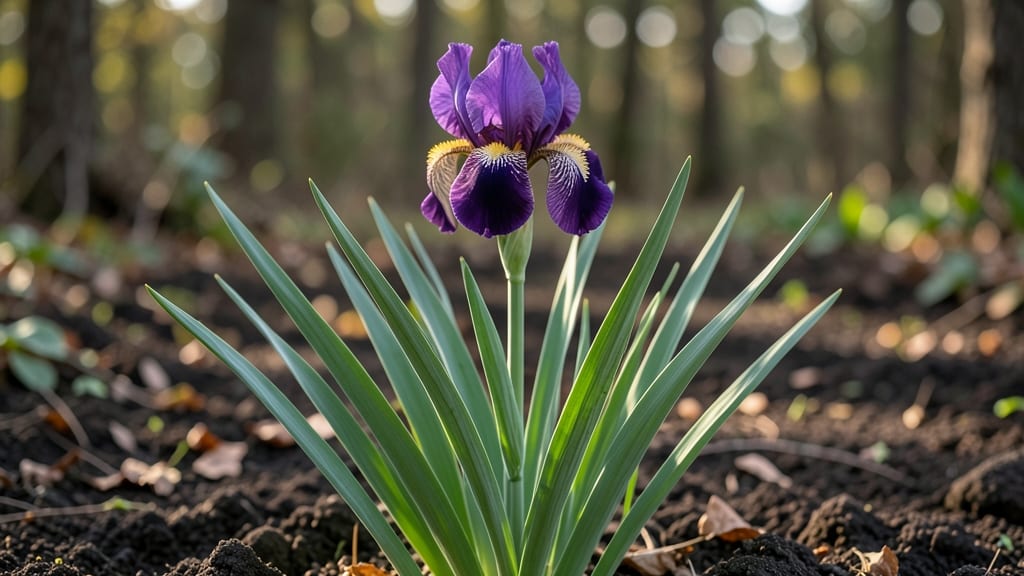
The iris flower season arrives with a splash of color that transforms any garden into a masterpiece—but only if you time it right.
If you’ve ever dreamed of a garden bursting with vibrant purple, yellow, or blue blooms, timing your iris planting perfectly is the secret to success. These showstoppers only bloom for a few weeks each year, and missing their window means waiting another season.
In USDA Zone 6a, where I garden, irises typically burst into bloom between late April and early June, though early varieties can peek through as soon as March in warmer microclimates. The key? Planting in late summer or early spring sets the stage for a showstopping display.
Below, I’ll break down exactly when your irises will bloom based on your zone, how to extend their season, and the care secrets that keep them flowering year after year—no guesswork required.
Iris flower season by USDA Zone: exact months to expect blooms
Timing is everything when it comes to iris blooms—these stunning flowers only put on their show for 2-4 weeks each year, depending on your USDA zone and iris variety.
Whether you're growing bearded irises or delicate Siberian irises, knowing your exact bloom window lets you plan for peak color and avoid disappointment. Regional climate variations mean a Pacific Northwest garden might see blooms weeks earlier than a Southern garden, even within the same zone.
Iris blooms typically arrive in late spring to early summer, but the exact timing shifts dramatically from Zone 3 to Zone 10.
For example, gardeners in Zone 3 might spot early blooms as soon as May 1st, while those in Zone 10 could enjoy late-season irises until July 15th. Understanding these differences helps you select the right varieties and prepare your garden for their brief but brilliant display.
Here’s how bloom times vary across USDA zones, including early, mid, and late-season varieties:
In Zone 3-4, Siberian irises often lead the charge, blooming as early as May 1st if winter conditions were mild. These hardy varieties thrive in cooler climates and can handle late frosts better than their southern counterparts.
Meanwhile, bearded irises—the classic showstoppers—peak in late May, while Japanese irises extend the season into early June with their lush, sword-like foliage.
Gardeners in Zone 5-6 enjoy a longer bloom window, with early varieties like 'Cadence' (a popular bearded iris) opening in late April. The Pacific Northwest typically sees blooms 1-2 weeks earlier than the Midwest or Northeast due to cooler, wetter springs.
In contrast, Southern Zone 6 gardens might delay until early May because warmer winters can confuse the plant’s dormancy cycle.
For Zone 7-8, the iris season kicks off in late March, making them one of the first perennials to bloom. This early start is perfect for extending your garden’s color palette before summer heat arrives.
In Zone 8, some varieties—like 'Blue Flag'—may even rebloom in fall if given consistent moisture and partial shade during summer’s peak.
If you live in Zone 9-10, you’re in luck: irises can bloom as early as mid-February, giving you a head start on spring color. However, extreme heat in Zone 10 can shorten the bloom season, so choose heat-tolerant varieties like 'Prof. Blume' or 'White Swan'.
These types handle the transition from winter to spring more gracefully than delicate Siberian types.
To maximize your iris season, plant a mix of early, mid, and late bloomers in the same bed. For example, pair Siberian irises (early) with bearded irises (mid) and Japanese irises (late) to create a 6-week cascade of color.
This strategy works especially well in Zones 5-8, where seasonal shifts are less extreme.
One pro tip: Deadhead spent blooms immediately to encourage reblooming, particularly in Zones 7-10.
How to extend your iris season: tips for year-round color
Want your garden to burst with iris blooms for months instead of just a few weeks? The secret lies in strategic planning and variety selection. Most irises bloom once per year, but with the right approach, you can create a continuous color show from early spring through summer.
The key is combining different iris varieties with staggered planting and proper care.
Start by choosing three iris types that naturally bloom at different times: bearded irises (classic spring bloomers), Siberian irises (late spring to early summer), and Japanese irises (late summer). Each type thrives in similar conditions but offers distinct bloom windows, creating a seamless transition of color in your garden.
- 📅 Plant in stages: Install bearded irises in early fall, Siberian irises in late fall, and Japanese irises in early spring for staggered blooms.
- ✂️ Deadhead promptly: Remove spent blooms 2-3 inches below the flower stalk to redirect energy to root growth and future blooms.
- 💧 Water deeply: Provide 1 inch of water weekly during bloom season, focusing on the rhizome base rather than the leaves.
- 🌿 Fertilize strategically: Apply high-phosphorus fertilizer (10-10-10) in early spring and again after first blooms fade to encourage reblooming.
- 🌡️ Protect from heat: Provide afternoon shade in USDA zones 8-10 to prevent premature bloom fading during summer heatwaves.
For reblooming bearded irises, the trick is patience and consistency. After the first flush of blooms, trim the flower stalks down to 6 inches tall and continue regular watering. Many varieties will produce a second, smaller bloom cycle 6-8 weeks later if given proper care.
Focus on maintaining well-draining soil and avoiding overwatering, which can cause rhizome rot and stunted blooms.
Don't overlook Japanese irises for late-season color. These varieties thrive in moist, slightly acidic soil and often bloom from July through September, perfectly bridging the gap between spring and fall.
Plant them near water features or in partially shaded areas to extend their bloom period by providing consistent moisture without overheating.
Create a garden map with bloom timing in mind. Place early bloomers like Siberian irises in prominent locations where you'll enjoy them first, followed by bearded irises in mid-season spots, and Japanese irises toward the back for their later display.
This arrangement ensures your garden remains visually dynamic throughout the growing season.
Remember that soil preparation is 50% of the battle. Irises need sandy, well-draining soil with a pH between 6.0 and 7.0. Amend heavy clay soils with compost and perlite to prevent waterlogging, which can shorten bloom cycles.
A well-prepared planting bed will give your irises the energy they need to produce longer-lasting, more abundant blooms.