
Flowers
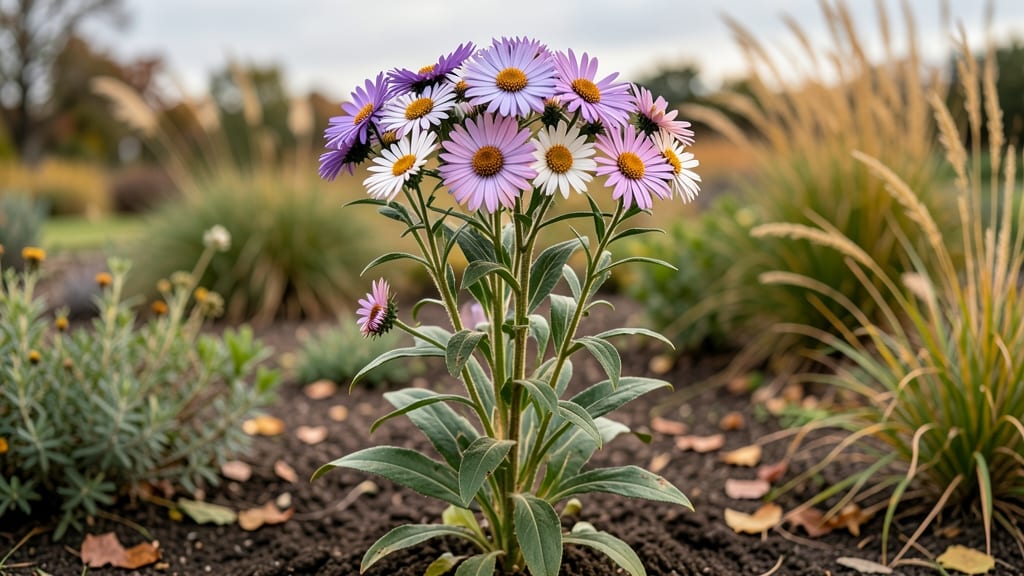
The height of an aster flower can transform your garden from a sea of green to a dramatic floral display—whether you crave dainty borders or bold backdrops.
If you’ve ever struggled to choose the perfect aster varieties for your garden—whether you want low-maintenance borders or dramatic backyard focal points—this guide unlocks the secrets to their growth habits, from tiny dwarf beauties to towering giants.
From the compact 1-foot 'Wood’s Blue' to the 4-foot 'Patriot', aster flower height isn’t just about size—it’s about placement, airflow, and even how you prune. Get it right, and your garden will look intentional; get it wrong, and even the hardiest varieties can flop or crowd out neighbors.
Here’s how to pick the perfect varieties for your space, space them like a pro, and keep them thriving—no guesswork required.

Aster flower height by variety: from dwarf to giant sizes
Choosing aster varieties is like picking the perfect puzzle piece for your garden design—height matters! Whether you dream of low borders or dramatic backdrops, understanding aster flower height ensures your garden thrives. Dwarf varieties like 'Wood's Blue' stay compact, while giants like 'Patriot' reach skyward, creating stunning vertical interest.
Asters offer unmatched versatility in garden layouts. Their mature heights range from 12 inches to over 4 feet, making them perfect for everything from container gardens to backyard focal points. Let’s explore how to match varieties to your space for maximum impact.
Here’s a quick reference for aster flower height by variety, including their growth habits and ideal garden placements:
Dwarf asters like 'Wood's Blue' (12–18 inches) are perfect for small spaces or container gardens. Their compact growth makes them ideal for edging pathways or filling gaps in rock gardens. These varieties thrive in full sun and require minimal staking, making them a low-maintenance choice.
Medium-height asters, such as the 'Profusion' Series (18–24 inches), strike a balance. They work beautifully in mixed borders or cottage-style gardens, adding height without overwhelming smaller plants. Their upright growth habit ensures they don’t flop, even in light breezes.
For dramatic impact, tall asters like 'Patriot' (24–36 inches) or 'Alma Potschke' (36–48 inches) are game-changers. Plant them at the back of borders or in cut flower gardens to create vertical interest. These varieties often need light staking to support their weight, especially in windy areas.
When planning your garden, consider layering heights for a natural, cascading effect. Place tall asters at the back, medium varieties in the middle, and dwarf types in the front. This technique maximizes visual appeal while ensuring every plant gets the sunlight and airflow it needs.
Pro tip: Group asters by height to create clean, intentional designs. For example, pair 'Wood's Blue' with low-growing perennials like coresopsis or sedum for a cohesive look. In larger gardens, tall asters like 'Alma Potschke' can anchor wildflower meadows or pollinator gardens.
If you’re growing asters in containers, opt for dwarf or medium varieties to avoid overcrowding. A 12-inch pot can comfortably hold 'Wood's Blue', while a 16-inch container works well for 'Profusion'. Always use well-draining soil and place containers in full sun for best results.
Remember, aster height can vary slightly based on soil quality, sun exposure, and pruning habits. Regular deadheading encourages bushier growth, while light pruning can control height in taller varieties. With the right placement and care, your asters will flourish and become the star of your garden.
Proper spacing for asters: how to avoid crowding & overcrowding
Aster flowers thrive when given the right amount of space to breathe. Proper spacing isn’t just about aesthetics—it’s a critical factor for airflow, sunlight penetration, and disease prevention.
Overcrowded asters compete for nutrients, leading to leggy growth and fewer blooms. Let’s dive into the science-backed spacing guidelines tailored to your aster’s height.
Whether you’re planting dwarf varieties for borders or tall giants as backyard focal points, spacing ensures each plant reaches its full potential. Too little space? You’ll battle fungal diseases like powdery mildew. Too much? You waste garden real estate. The key is balancing their mature size with their growth habits.
- Dwarf asters (12–18" tall): Space 6–12" apart for compact borders or containers.
- Medium-height asters (18–36" tall): Allow 18–24" between plants for airflow and sunlight.
- Tall asters (36–48" tall): Plant 24–36" apart to prevent flopping and support strong stems.
- Container gardening: Use 1–2 plants per 12" pot (dwarfs) or 1 plant per 18" pot (tall varieties).
- Row spacing: Maintain 12–18" between rows for easy maintenance and weed control.
For container gardening, choose pots with drainage holes and use well-draining soil to mimic in-ground conditions. Dwarf varieties like 'Profusion' (12–18") do beautifully in hanging baskets or window boxes, while taller types like 'Patriot' (36–48") need sturdy containers to support their weight.
Pro tip: If you’re planting asters near shrubs or perennials, leave extra space (up to 36") to avoid shading their lower leaves. Asters need full sun, and even partial shade can reduce blooming.
Mulch around the base to retain moisture and suppress weeds, which compete for space and nutrients.
Overcrowding isn’t just a visual issue—it’s a health risk. Poor airflow creates humidity pockets, inviting fungal diseases like powdery mildew. Thin out seedlings early if they’re too close, or transplant extras to another area.
With the right spacing, your asters will reward you with vibrant blooms from late summer to frost.
Remember, asters are perennials in many climates, so proper spacing now means fewer headaches (and fewer plants!) in future seasons. Start with these guidelines, and your garden will thank you with a sea of color every fall.