
Shrubs
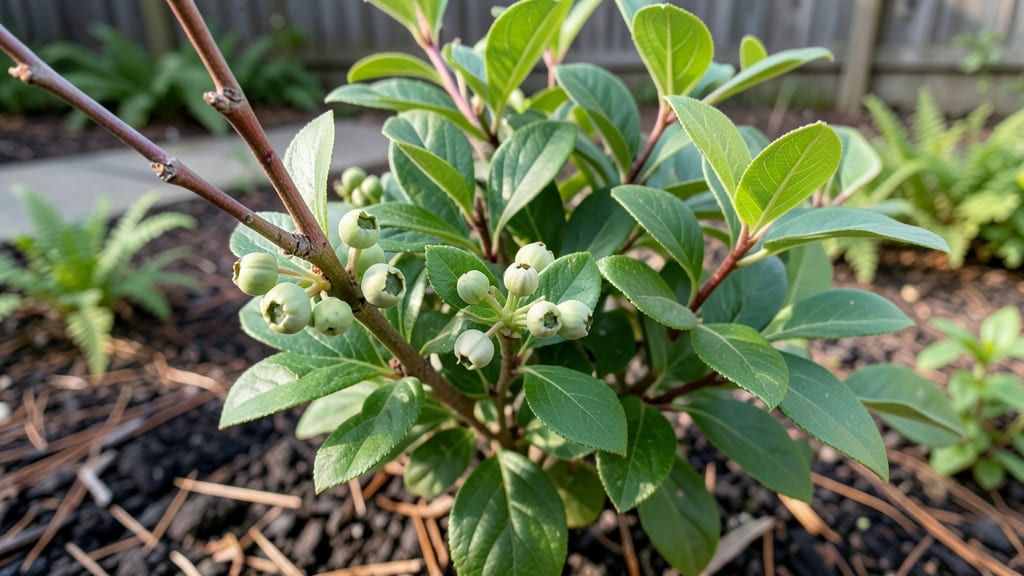
A blueberry bush not flowering can turn your sweet harvest dreams into a frustrating wait—especially when the plant looks healthy on the outside.
Your 🫐 might be thriving in size but silently starving for the right conditions, and missing just one key factor can stall those critical blooms before they even appear.
The good news? Most issues are fixable with a few targeted tweaks—like adjusting soil pH, pruning smarter, or feeding the right nutrients at the right time.
Below, I’ll walk you through the three most overlooked reasons why your blueberry bush skips flowering, plus step-by-step fixes to coax those buds into action before next season.
No more empty branches—just a bush loaded with potential, ready to burst into blossoms and berries the way it was meant to.
3 Hidden reasons your blueberry bush isn’t flowering (and how to diagnose them)
If your blueberry bush looks lush but refuses to produce those telltale pink flower buds, you’re not alone. Many gardeners overlook subtle signs that sabotage flowering—before they even realize what’s missing.
The good news? These issues are often fixable with simple adjustments. Let’s uncover the hidden culprits behind your bush’s silence and how to diagnose them before it’s too late.
Blueberries are finicky about their growing conditions, and even small missteps can delay—or completely prevent—flowering. From soil acidity imbalances to light deprivation, the root causes might surprise you.
I’ve helped countless gardeners revive their bushes by addressing these overlooked factors, and I’ll walk you through the exact steps to spot them in your own yard.
Blueberries need 2-3 years to mature before producing flowers. If your bush is under 3 feet tall, it’s likely still focusing on growth.
Blueberries need 6-8 hours of direct sun daily. Shade from trees or structures can stunt flowering. Check if your bush gets less than 5 hours of sunlight.
Blueberries thrive in acidic soil (pH 4.5-5.5). Test your soil—if it’s above 6.0, nutrient uptake fails, and flowering stops. Yellow leaves on older growth are a red flag.
Pale green leaves or stunted growth? Your bush may lack nitrogen. Purple stems or slow growth? It’s phosphorus-starved. Both are critical for flowering.
Let’s start with the most common—and often overlooked—reason: age-related immaturity. Blueberries are slow starters, and many gardeners assume their bush is ready to flower when it’s not. A 2-year-old bush might look robust but still be too young to produce flowers.
Look for canes under 3 feet tall—these are likely still in their vegetative phase. Patience is key here; give it another year of proper care, and you’ll see buds next spring.
Next, check your light exposure. Blueberries are sun-worshippers, and even partial shade can delay flowering. If your bush is tucked behind a fence, tree, or building, it’s probably not getting the 6-8 hours of direct sunlight it craves.
Move it to a south-facing spot where it gets unfiltered morning sun. You’ll notice a difference in just a few weeks—healthier leaves and, eventually, flowers.
Now, let’s talk soil pH, the silent showstopper for blueberry bushes. These plants are acid-lovers, and if your soil pH creeps above 6.0, they’ll stop flowering faster than you can say “peach-colored leaves.”
Grab a soil test kit (they’re cheap and easy to use) and check your levels. If the pH is too high, amend the soil with sulfur or peat moss to bring it back down to the ideal 4.5-5.5 range. This alone can revive a struggling bush.
Finally, don’t overlook nutrient deficiencies. Blueberries need a balanced diet, and missing key nutrients like nitrogen or phosphorus can halt flowering in its tracks. If your bush has yellowing leaves, it’s nitrogen-deficient. If the stems look purplish, it’s phosphorus-starved.
Feed your bush with a balanced, acid-loving fertilizer (like 10-10-10) in early spring and again in early summer. Just remember: more isn’t better—stick to the recommended amounts to avoid burning the roots.
Here’s a quick diagnostic checklist to narrow down the issue:
- Is your bush under 3 feet tall? → Age-related
- Does it get less than 5 hours of sun? → Light deprivation
- Are leaves yellowing or purple-stemmed? → Nutrient deficiency
- Is your soil pH above 6.0? → Alkaline soil
If you checked all these and still see no flowers, it might be time to consider pruning adjustments or even pollination issues (though these are rarer).
Don’t let another season slip by without flowers! Addressing these hidden issues now will set your blueberry bush up for a bountiful harvest next year.
Start with the most likely culprit—like testing your soil pH or moving the bush to a sunnier spot—and watch as those pink flower buds start to appear in spring.
🌱
Step-by-step fixes to encourage blueberry bush flowering (even for beginners)
If your blueberry bush isn’t flowering, don’t panic—it’s often an easy fix. The key lies in soil acidity, sunlight exposure, and pruning techniques. I’ve helped countless gardeners coax blooms from stubborn bushes, and these steps will work for you too.
Start with the basics: test your soil pH and adjust if needed, then focus on sunlight and pruning.
Blueberries thrive in acidic soil (pH 4.5-5.5), but many gardeners overlook this. Even if your bush looks healthy, alkaline soil can block flowering. Combine this with 6-8 hours of sunlight and proper pruning, and you’ll see buds forming in no time.
Let’s tackle this step by step—begin with soil and sunlight, then move to pruning and fertilizing.
-
1
Test and Adjust Soil pH
Use a soil pH test kit to check acidity. If your soil is above pH 6.0, amend it with sulfur or peat moss (1-2 lbs per plant). For quick results, use an acid-loving plant fertilizer like cottonseed meal.
-
2
Ensure Full Sun Exposure
Move your bush to a south-facing spot with 6+ hours of sunlight. If shade is unavoidable, prune nearby trees or use reflective mulch to boost light. Yellowing leaves signal insufficient sunlight.
-
3
Prune Correctly in Late Winter
Cut back dead or crossing branches to open the center. Remove last year’s fruit clusters (they won’t produce again) and shape the bush into an open vase shape. Use sterilized pruners to avoid disease.
-
4
Fertilize with Acid-Loving Formula
Apply a balanced acid fertilizer (10-10-10) in early spring and again in early summer. Avoid high-nitrogen fertilizers—they promote leafy growth but block flowering. Use 1 tbsp per plant and water deeply afterward.
-
5
Water Deeply and Consistently
Give your bush 1-2 gallons of water weekly, especially during dry spells. Water at the base of the plant in the morning to prevent fungal issues. Mulch with pine needles or wood chips to retain moisture and acidity.
Start with soil pH adjustment—this is the most critical factor for blueberry flowering. If your soil is too alkaline, even the best pruning won’t help. After testing, amend the soil and monitor for new growth within 4-6 weeks.
Pair this with full sun exposure, and you’ll see buds forming by late spring.
For young bushes (under 3 years old), flowering may take longer. Be patient and focus on healthy root development first. Once established, they’ll reward you with abundant blooms and berries.
If your bush is older but still not flowering, check for root-bound conditions—transplanting may be needed to revive growth.
Remember, blueberries need patience. With the right care, your bush will flower within 1-2 seasons. Keep an eye out for pink buds in early spring—this is your first sign of success! 🌱