
Blooming
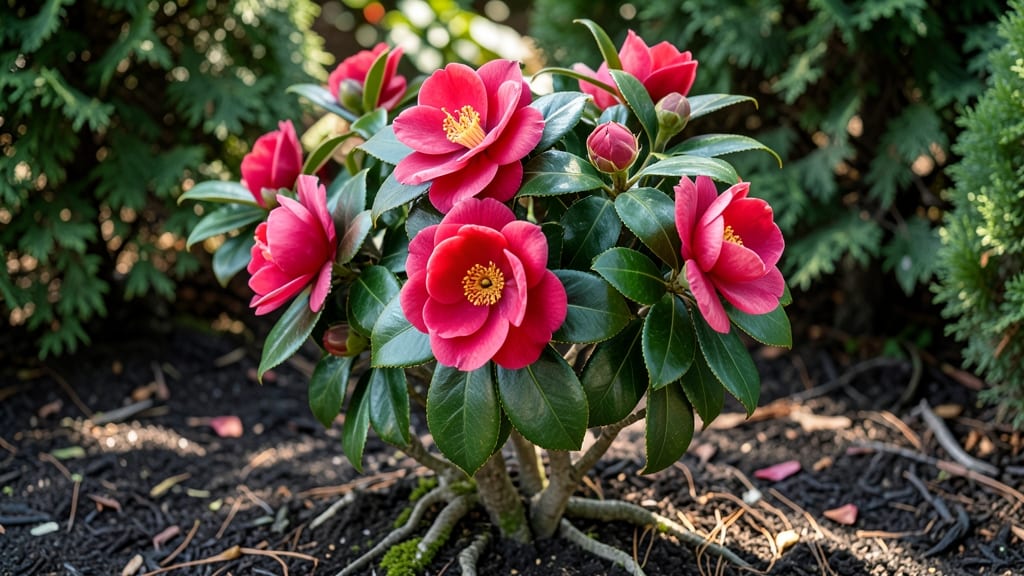
Camellias flower in seasons that range from late fall to early spring 🌸, with exact timing depending on your USDA hardiness zone.
If you’ve ever missed your camellia’s show because you didn’t know when to expect it, you’re not alone. Some varieties burst into bloom in November, while others wait until March—and the difference can be a matter of just a few degrees in temperature.
This guide breaks down the exact months for Camellia japonica and Camellia sasanqua across Zones 7–10, plus the care tweaks that can shift your plant’s schedule by weeks.
Whether you’re in Southern California or the Deep South, you’ll learn how to time pruning, feeding, and watering to guarantee a longer, more vibrant display.
Ready to plan your garden around those stunning winter blooms? Here’s how to sync your camellia’s care with its natural cycle for the most dramatic results.
Camellia flowering season by USDA hardiness Zones: month-by-month guide
Camellias are winter’s secret stars, transforming gardens into romantic canvases with their glossy petals and bold colors. But their blooming windows shift dramatically depending on your USDA zone—and even the specific variety.
While Camellia sasanqua often blooms in fall and early winter, Camellia japonica typically waits until late winter or spring. Understanding these differences means you’ll never miss a single show-stopping bloom again.
The key to timing your camellia care lies in knowing your hardiness zone and plant type. In Zone 10, you might see Camellia sasanqua flowers as early as September, while in Zone 7, those same blooms won’t appear until December.
Meanwhile, Camellia japonica varieties often bloom 2-3 months later, creating a staggered display that extends your garden’s beauty well into spring. Let’s break down the exact month-by-month schedule so you can plan your garden like a pro.
In Zones 7-8, where winters are colder, Camellia sasanqua varieties like 'Yuletide' or 'Bonanza' often kick off the season as early as late November, with peak blooms stretching through December and January.
These hardy hybrids are perfect for gardeners who crave early winter color, but they do require frost protection—especially in Zone 7. Wrap young plants in burlap or use frost cloth to shield delicate buds from 28°F or lower temperatures. The trade-off?
A shorter but more intense display compared to their Zone 9-10 counterparts.
Meanwhile, Camellia japonica varieties in these cooler zones typically bloom 2-3 months later, from late January through March. This delay gives gardeners a <
How to extend your Camellia’s blooming season with simple gardening hacks
If you love the sight of camellia blooms but wish they lasted longer, you’re not alone! With a few strategic adjustments, you can coax your Camellia japonica or Camellia sasanqua into flowering earlier or later in the season.
The key lies in understanding their natural blooming triggers and giving them the right conditions at the right time.
Most camellias bloom in late fall to early winter, but with proper care, you can push those vibrant flowers into early fall or even late winter. The secret?
A combination of pruning timing, soil acidity, watering consistency, and winter protection. Let’s dive into the easiest hacks to extend your camellia’s showstopping display.
Trim after blooming (spring for Camellia japonica, winter for Camellia sasanqua) to encourage next season’s buds. Avoid heavy pruning in fall—it stresses the plant before winter.
Camellias thrive in acidic soil (pH 5.0-6.0). Test your soil and amend with peat moss or sulfur if needed. Azalea/camellia fertilizer also helps maintain acidity.
Drought stress delays blooming. Water deeply (1-2 gallons) every 7-10 days during summer and early fall to encourage bud formation. Mulch with pine bark to retain moisture.
Use burlap wraps or frost cloth to shield new buds in Zones 7-8. Even a light freeze can damage delicate flower buds, shortening your blooming window.
For earlier blooms, start fertilizing in late summer with a high-phosphorus fertilizer (like 8-10-10) to jumpstart bud development. If you want later blooms, hold off on heavy feeding until early fall—this delays the flowering process naturally.
Another pro tip? Thin out crowded branches in late winter to improve airflow. This reduces fungal diseases (like petal blight) that can weaken your camellia and cut blooming short. A single 10-minute pruning session can make a huge difference in your plant’s vitality.
With these simple but effective hacks, you’ll enjoy camellia blooms that last weeks longer than average. The best part? These methods work for both container-grown and in-ground camellias, so every gardener can try them. Happy blooming! 🌸🌿