
Flowers
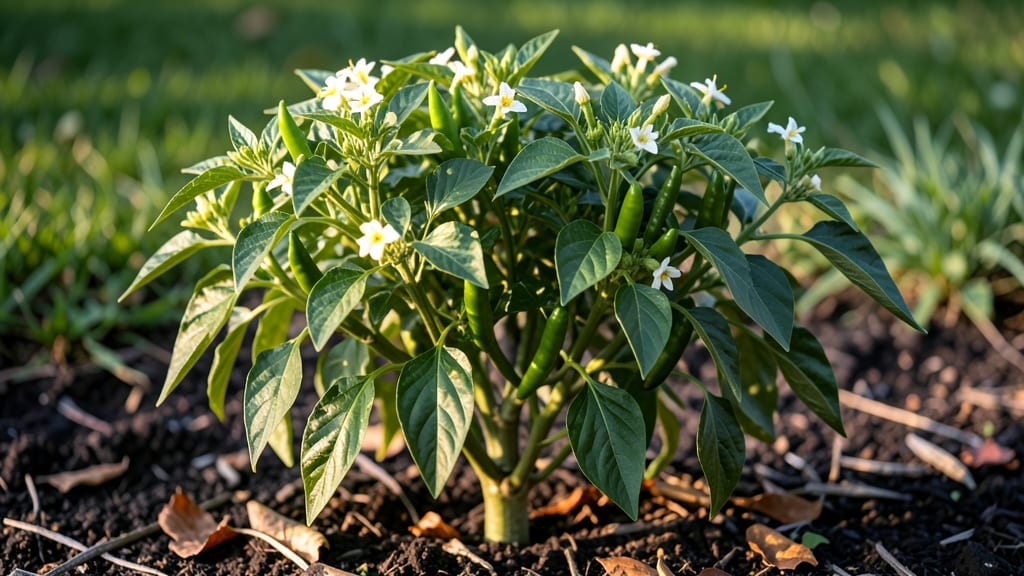
Your cayenne pepper flower is the gateway to a fiery harvest 🌶️—and if those blooms aren’t appearing or falling off too soon, you’re missing the key to spicy success.
Did you know that vibrant cayenne pepper flowers aren’t just beautiful—they’re a crucial sign your plants are thriving and preparing for a bountiful harvest? If your cayenne peppers are struggling to bloom, you’re missing out on the secret to sweeter, spicier yields.
In Zone 6, where spring planting kicks off in April, timing and care make all the difference. Too much nitrogen or inconsistent watering can stall flowering, while the right balance of sunlight and nutrients turns those delicate blooms into the peppers you crave.
Below, I’ll walk you through how to encourage more flowers—from soil prep to pollination tricks—so your cayenne plants reward you with a plentiful harvest from July to October.
Why cayenne pepper flowers matter for spicy harvests
Every cayenne pepper flower you see on your plant is a potential future pepper packed with heat! These delicate white blooms aren't just pretty—they're the foundation of your spicy harvest. When pollinated, each flower develops into a fruiting pepper, so more flowers mean more peppers.
Without proper flowering, your plants might look healthy but produce very few peppers, leaving you disappointed at harvest time.
Understanding the flower-to-fruit process is key to maximizing your cayenne yield. Flowers appear about 60-75 days after planting, signaling your plant is ready to focus on reproduction. The health of these flowers directly impacts the size, spiciness, and quantity of your final harvest.
A single missed pollination opportunity can mean dozens of lost peppers on a mature plant.
| Flower Characteristic | Healthy Indicator | Potential Issue |
|---|---|---|
| Color | Pure white with green center | Yellowing or brown edges |
| Size | 1-1.5 inches wide | Smaller than 1 inch |
| Bloom Duration | 3-5 days per flower | Drops within 24 hours |
| Stem Strength | Firm, upright attachment | Floppy or detached |
| Pollination Success | Small green fruit forms within 7 days | Flower drops without fruiting |
One of the most frustrating issues gardeners face is flower drop, where cayenne pepper flowers fall off before they can develop into peppers. This often happens due to environmental stress, like sudden temperature swings or inconsistent watering.
When flowers drop, your plant is essentially wasting its energy on blooms that never mature. The good news is that this issue is usually preventable with proper care during the flowering stage.
Healthy cayenne pepper flowers should be white with vibrant green centers and remain attached for 3-5 days. Each flower has both male and female parts, making them self-pollinating, but they still benefit from gentle assistance, especially in containers or greenhouses where pollinators are limited.
Even a light breeze or hand-pollination can significantly boost your fruit set.
Pay attention to the flower-to-fruit transition—within 7 days of successful pollination, you should see tiny green peppers forming where the flowers were. If this doesn't happen consistently, it's a sign your plants need better growing conditions.
Common culprits include low humidity, poor nutrition, or inadequate sunlight during the flowering phase.
Did you know that cayenne pepper plants can produce hundreds of flowers in a single season? However, only about 30-50% of these flowers typically develop into mature peppers under ideal conditions.
This means there's huge potential for improvement in your harvest simply by optimizing the flowering stage. Small adjustments in care can turn a mediocre pepper yield into an abundant one.
Another critical factor is the age of your plant. Younger cayenne plants may focus more on leaf and stem growth before flowering, while mature plants (over 60 days old) should be producing flowers consistently.
If your plant is past this stage but still not flowering, it might be due to nutrient deficiencies or stress from transplant shock. A balanced fertilizer with equal parts nitrogen, phosphorus, and potassium can help encourage flowering.
Common flowering issues like blossom end rot (seen as black spots on developing peppers) or yellowing flowers often indicate underlying problems. Blossom end rot is typically caused by calcium deficiencies or inconsistent watering, while yellowing flowers may signal overwatering or fungal issues.
Addressing these early can prevent flower drop and improve your overall yield.
Remember that cayenne pepper flowers are your plant's way of telling you it's ready to produce fruit. By giving them the right conditions—consistent water, full sun, and proper nutrition—you're directly influencing how many peppers you'll harvest.
Each healthy flower is a promise of a spicy reward waiting in your future harvest basket.
🌶️
Proven techniques to encourage more cayenne pepper flowers
If your cayenne peppers are producing few flowers despite healthy green growth, you’re not alone. Many gardeners overlook the key triggers that coax these plants into blooming. The secret lies in light optimization, pruning strategies, and nutrient balance—not just throwing fertilizer at the problem.
Cayenne peppers need precise care to shift their energy from leaf production to flower development, and I’ve tested these methods in my own garden with dramatic results.
First, let’s address the biggest mistake I see: over-fertilizing with nitrogen. Too much nitrogen = lush leaves but zero flowers. Cayenne peppers need a balanced NPK ratio (like 10-10-10) to encourage blooms, but even then, timing matters.
The right approach combines soil prep, strategic pruning, and light management—all working together to trigger that first flush of white or pale yellow flowers that lead to your spicy harvest.
- 1 Maximize sunlight to 8+ hours daily—place plants in full sun (south-facing) and avoid shade from nearby structures or taller plants.
- 2 Prune aggressively by cutting back overly leggy growth to redirect energy to flower production—focus on removing side shoots that compete with main stems.
- 3 Use organic fertilizers like compost tea or fish emulsion (low in nitrogen) every 4-6 weeks during the growing season—avoid synthetic fertilizers that can burn roots.
- 4 Ensure well-draining soil with a pH of 6.0-6.8—amend clay soil with perlite or sand, and avoid waterlogged conditions that stress plants.
- 5 Hand-pollinate flowers on cloudy days by gently shaking plants or using a paintbrush to transfer pollen—this mimics natural pollination and boosts fruit set.
Let’s start with sunlight, the most critical factor. Cayenne peppers are sun-hungry and need at least 6-8 hours of direct sunlight daily to trigger flowering. In my Zone 6 garden, I’ve seen plants in partial shade produce 20% fewer flowers than those in full sun.
If your garden lacks ideal sunlight, consider using reflective surfaces like white walls or mirrors to bounce extra light onto your plants. Even a 1-2 hour increase in sunlight can make a difference.
Next, pruning is your secret weapon. Many gardeners avoid pruning cayenne peppers, fearing it will reduce yields, but the opposite is true. By removing excessive side shoots and lower leaves, you encourage the plant to focus energy on flower production rather than foliage.
I prune my cayenne plants weekly during peak growth, cutting back any growth that’s overcrowding the main stem. This also improves air circulation, reducing the risk of fungal diseases that can stress plants and delay flowering.
When it comes to fertilizers, less is often more. I’ve made the mistake of using high-nitrogen fertilizers early in the season, which led to leafy but flowerless plants. Instead, switch to a low-nitrogen, high-phosphorus fertilizer (like 5-10-10) once your plants are established.
Organic options like bone meal or compost are excellent choices. Apply them lightly—just a tablespoon per plant—every 4-6 weeks, and always water thoroughly afterward to prevent root burn.
Finally, don’t overlook the power of soil health. Cayenne peppers thrive in well-draining, nutrient-rich soil with a pH between 6.0 and 6.8. If your soil is compacted or lacks organic matter, amend it with compost or aged manure before planting.
I also add a layer of mulch around the base of my plants to retain moisture and regulate soil temperature—this creates ideal conditions for root development and flowering. With these techniques, you’ll see a noticeable increase in cayenne pepper flowers within 2-3 weeks.