
Light Requirements
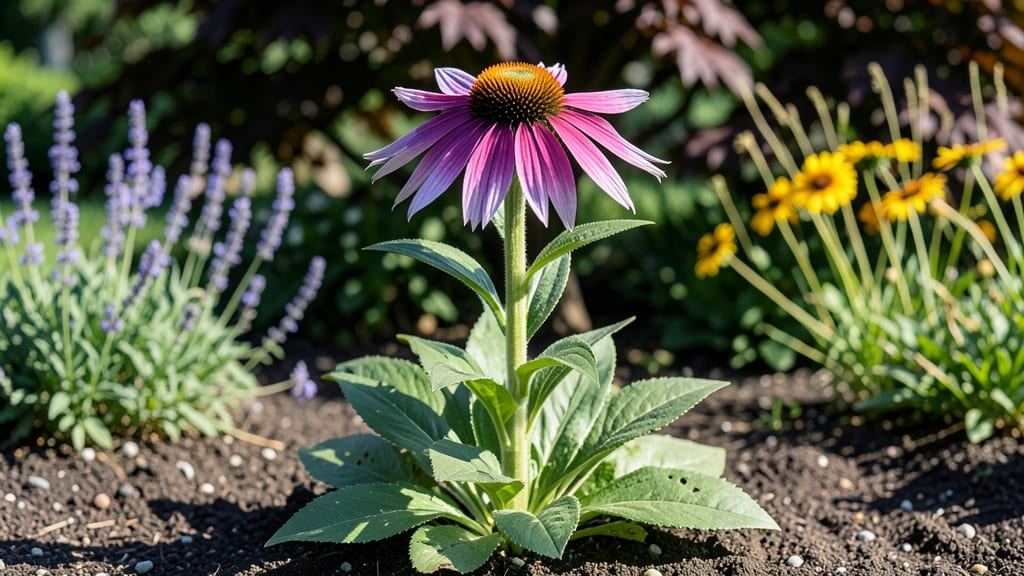
Understanding the coneflower light requirements is key to growing vibrant blooms, but finding the perfect balance can transform your garden from ordinary to stunning. Picture this: your 🌼 coneflowers planted in Zone 6a withering under harsh afternoon rays or stretching awkwardly toward a shady corner, their blooms sparse and lackluster.
That’s the difference between 6+ hours of sunlight and just enough dappled light to keep them happy.
Too much sun scorches the leaves, while too little shade weakens stems and cuts back on those iconic purple and pink blooms. The key? Understanding how your local climate and garden layout affect light exposure—and how to adjust care without guessing.
In this guide, I’ll break down the ideal light conditions, how to spot when your coneflowers are begging for more (or less) sun, and simple tweaks to keep them thriving from spring planting through fall harvest.

Ideal sunlight hours for coneflower growth and blooming
Coneflowers (Echinacea) thrive when given the right amount of sunlight, but their needs can vary slightly depending on the variety and color. While most coneflowers love full sun, some white or pale varieties may benefit from a little afternoon shade in hot climates.
Understanding these nuances ensures your plants grow taller, healthier, and more prolific with blooms that last from summer through fall.
In my garden, I’ve noticed that purple coneflowers like 'Magnus' or 'White Swan' handle full sun beautifully, while pink varieties such as 'Hot Papaya' sometimes show signs of stress if exposed to intense afternoon heat.
The key is balancing sunlight hours with seasonal adjustments—especially in regions with extreme temperatures.
For most standard coneflowers, 6–8 hours of direct sunlight is ideal, but dwarf varieties like 'Kim’s Knee High' can thrive with just 4–6 hours. If you notice leggy stems or sparse blooms, your plants may be light-deficient.
I once had a batch of 'White Swan' coneflowers that grew tall but produced almost no flowers—turns out, they were getting only 3 hours of morning sun and the rest in shade.
In hot, dry climates (like USDA Zone 9+), I recommend providing afternoon shade between 1 PM and 4 PM to prevent leaf scorch. A simple solution is to plant them near a tall shrub or lattice that casts light shade.
Conversely, in cooler regions (like Zone 4–5), coneflowers can handle full sun all day without issues.
Seasonal adjustments are crucial. In spring and fall, when temperatures are mild, coneflowers can tolerate full sun exposure. However, during peak summer months, even 6 hours of direct sun might be too much in humid climates.
I’ve seen wilting or brown leaf tips in 'Hot Papaya' when left in unfiltered afternoon sun—a clear sign of heat stress.
If your coneflowers aren’t blooming as expected, check their light exposure first. Leggy stems and small flowers often indicate too little light, while yellowing leaves or crispy edges suggest over-exposure. In my experience, moving plants to a sunnier spot can double their bloom production within a single season.
For container-grown coneflowers, rotate the pots every few weeks to ensure even light exposure. This is especially important if your garden has partial shade from trees or buildings.
I use a sunlight meter app to track how much light my containers receive—it’s a game-changer for maximizing blooms in limited spaces.
Remember, coneflower roots are deep and drought-tolerant, but their foliage and flowers need consistent light to thrive. By fine-tuning their sunlight exposure, you’ll enjoy vibrant blooms from July through October—and maybe even a second flush of flowers in fall.
🌼
How to adjust light conditions for coneflowers in different climates
Coneflowers thrive in full sun, but their needs vary dramatically depending on your climate zone and garden conditions. In hot, dry regions, they need afternoon shade to prevent scorching, while humid climates benefit from morning sun and afternoon shade.
Urban gardens with limited sunlight can still grow coneflowers with creative adjustments—like container gardening or companion planting. Let’s explore how to optimize light exposure for your specific growing conditions.
First, assess your garden’s natural light patterns. Use a light meter or observe how sunlight moves across your space throughout the day. South-facing gardens get the most sun, while north-facing areas often struggle.
If your coneflowers are in partial shade, they may produce fewer blooms, but with the right techniques, you can still achieve stunning results. The key is balancing direct sunlight with protective measures.
For hot, arid regions, consider planting coneflowers near a water feature or in a raised bed with light-colored mulch to reflect excess heat. In humid zones, elevate containers to improve airflow and reduce the risk of powdery mildew.
If your garden has limited sunlight, opt for white or pale pink varieties, which tolerate lower light better than deep purples.
Monitor your coneflowers’ response to light adjustments by checking for leaf color changes or bloom production.
If leaves turn yellow, they may need more sun; if blooms are sparse, they might need afternoon shade. Container-grown coneflowers are easier to move, so rotate them every few weeks to ensure even light exposure on all sides. This simple trick can double your flower production!
Don’t forget to prune strategically to maintain healthy growth. In early spring, cut back dead stems to the ground and trim any overcrowded branches to improve light penetration. This encourages stronger stems and more vibrant blooms. Pair pruning with a light application of compost to replenish nutrients lost during winter.
With these climate-specific adjustments, your coneflowers will thrive year after year—whether you’re in a sunbaked desert, a moist woodland garden, or a city balcony. Experiment with different techniques to find what works best for your unique growing conditions. Happy gardening! 🌼