
Flowers
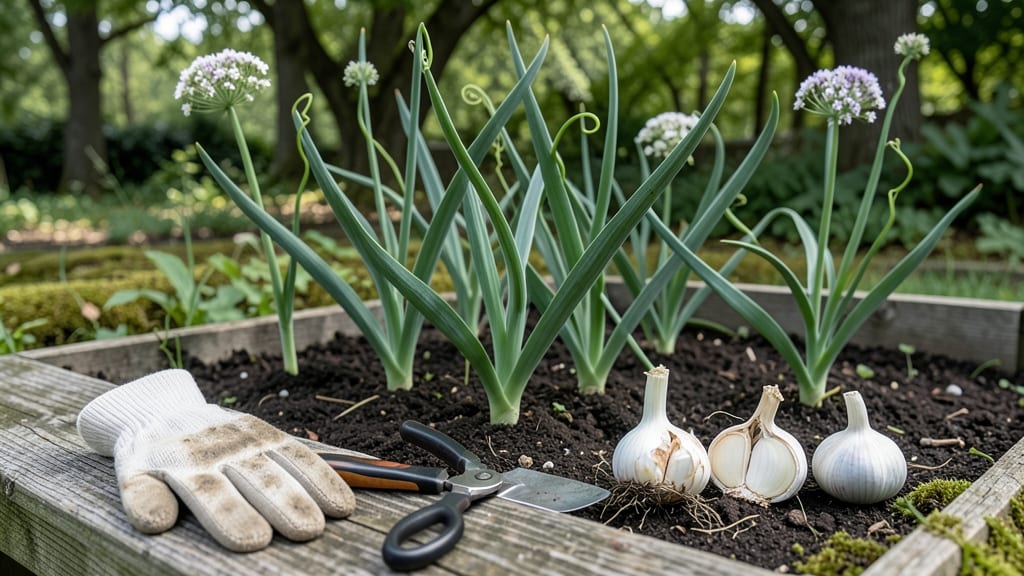
Harvesting garlic before or after it flowers determines whether you end up with plump, flavorful bulbs or shriveled disappointment.
Picture this: You’ve spent months nurturing your 🧄 plants, only to pull them too soon and watch your harvest shrink to half its potential. Or worse, you wait too long and end up with split, moldy cloves. The difference between these outcomes? Timing—and knowing when to act.
Most gardeners assume you must harvest garlic after flowering, but the truth is more nuanced. Hardneck varieties often need that 4-6 week window post-flowering to fully mature, while softnecks may peak earlier.
Below, I’ll break down the exact cues to watch for—from leaf browning to scape development—and how to balance bulb size with flavor.
By the end, you’ll know exactly when to pull your garlic for the biggest, best harvest of the season—no guesswork required.


Garlic harvest timing: when to pull based on flowering stage
Harvesting garlic at the right time is all about understanding your garlic variety—whether it's hardneck or softneck—and recognizing the visual cues that signal maturity. The flowering stage, or scape development, is your best indicator, but timing varies between types.
Hardneck garlic, for example, often flowers earlier and requires a 4-6 week window after flowering to reach full bulb size, while softneck varieties may take longer to show readiness.
Many gardeners wonder: do you harvest garlic before or after it flowers? The answer depends on your goals. If you're growing for large, mature bulbs, wait until after flowering. However, if you're harvesting scapes (the curly flower stalks) for cooking, you'll remove them before they fully bloom.
This redirects energy back to the bulb, potentially increasing its size. Understanding these differences is key to maximizing your harvest.
For hardneck garlic, the flowering stage is a critical milestone. Once the scape (flower stalk) emerges, count 4-6 weeks to harvest. During this time, the bulb is rapidly developing, and waiting ensures the largest size.
Look for 50% of the lower leaves to turn brown and papery—a clear sign the bulb is nearing maturity. If you harvest too early, you'll end up with small, underdeveloped bulbs.
Softneck garlic, on the other hand, often doesn't flower or flowers much later. Instead, focus on the leaf browning process. Wait until most of the lower leaves have turned brown and dried out, typically 6-8 weeks after the scape appears.
Softneck varieties store longer and are often preferred for braiding, so taking the extra time ensures a higher-quality harvest. The key is patience—rushing the process can lead to smaller, less flavorful bulbs.
One common mistake is harvesting garlic too late, which can result in split bulbs or even mold growth. Overripe garlic loses its papery skin and becomes susceptible to rot.
To avoid this, keep an eye on the upper leaves—they should remain green and healthy until the very end. If you notice the leaves turning yellow or wilting, it's a sign the bulb is overripe and past its prime.
If you're growing garlic for scapes, you can harvest them before flowering to encourage larger bulbs. Scapes are delicious in salads or sautéed, and removing them redirects energy back to the bulb.
To harvest a scape, simply cut it off about 2 inches above the garlic plant when it reaches 6-8 inches long. This practice won't harm the bulb and can actually improve its size and quality.
To test if your garlic is ready for harvest, gently dig up one bulb and check its size. A mature bulb should feel firm and have well-defined cloves wrapped in papery skin.
If the bulb feels soft or the cloves aren't fully formed, wait another week or two. This hands-on approach ensures you're harvesting at the perfect
Signs your garlic is overripe (and how to fix it)
If you missed the ideal harvest window for your garlic, don’t panic—overripe garlic still has uses, but you’ll need to act fast. The key is recognizing the red flags early, like papery skins that feel brittle or splitting bulbs exposing cloves to air.
These signs mean your garlic is past its prime but might still be salvageable with quick action.
Another telltale sign is mold growth on the outer skins or between cloves, which spreads rapidly in warm, humid conditions. Even if your bulbs look fine on the outside, check the necks where cloves meet—this is where rot often starts.
Ignoring these cues can turn your harvest into a soggy mess before you know it.
Do: Harvest immediately if leaves are completely brown but bulbs still feel firm. Cure in a dry, dark, well-ventilated space (60°F, 50% humidity) for 2-4 weeks to harden skins and prevent spoilage.
Don’t: Leave garlic in the ground or store it damp—this accelerates mold and rot. Avoid cutting bulbs open until fully cured.
For bulbs that have already split or show early mold, separate the cloves and let them air-dry for 3-5 days in a single layer. This removes excess moisture and slows further damage.
Store the dried cloves in a mesh bag with wood ash or silica gel packets to absorb remaining humidity.
If your garlic has soft spots or a sour smell, it’s too far gone for storage but can still be used in cooked dishes where texture doesn’t matter. Chop the affected cloves and cook them immediately—never refrigerate, as this speeds up spoilage.
For hardneck varieties, the scapes (flower stalks) can still be harvested and used like chives if the bulbs are compromised.
Prevent future overripening by monitoring your garlic’s leaf color and bulb firmness weekly. Once 50% of leaves turn brown (hardneck) or scapes emerge (softneck), harvest within 1-2 weeks. Use a fork to loosen soil before pulling to avoid damaging bulbs.
Even if your garlic is overripe, don’t toss it—repurpose it into infused oils, garlic powder, or homemade vinegar before it spoils completely. With quick action, you can still salvage flavor and reduce waste in your garden.