
Trees
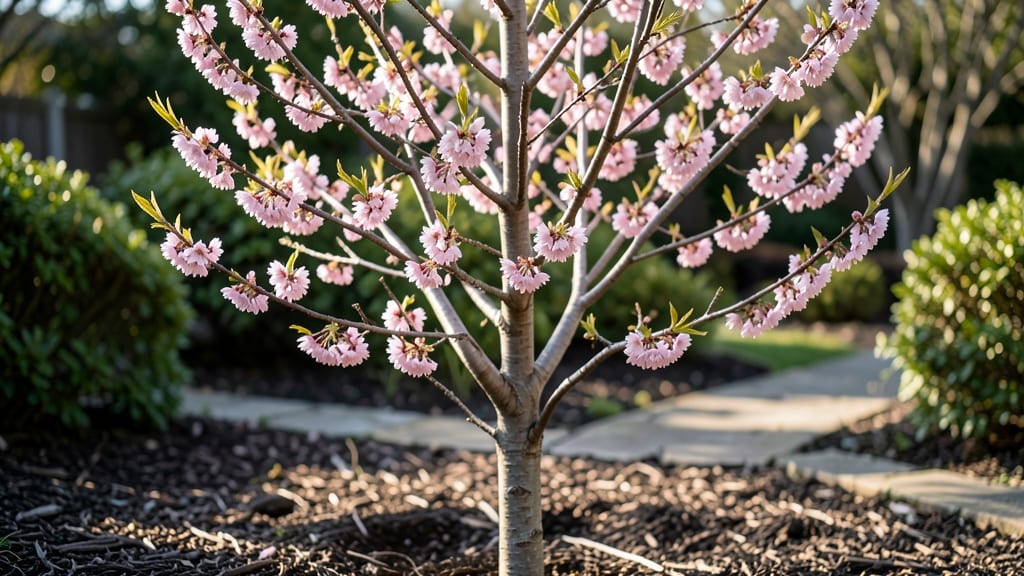
A flowering cherry’s growth rate can turn a bare-root sapling into a showstopping 🌸 canopy in just a few years—but only if you know the right varieties and care tricks.
Picture this: You plant a 3-foot tree in spring, and by next year, it’s already throwing out blossoms. That’s the magic of fast-growing types like Prunus serrulata, but slower growers like Prunus subhirtella take their time. The difference comes down to variety, soil, and a few smart pruning moves.
Whether you’re eyeing a dwarf for a small yard or a standard for a statement border, understanding these growth patterns helps you plan for full bloom—and avoid the heartbreak of a tree that’s too big, too soon.
In this guide, I’ll break down yearly height jumps by type, share the seasonal secrets to speed up growth, and reveal the mistakes that stall even the fastest varieties. Ready to watch your cherry tree race toward maturity?


Flowering cherry growth rate by variety: fastest and slowest growing types
Choosing a flowering cherry tree often comes down to one key question: how fast will it grow? Some varieties burst into bloom within just a few years, while others take a decade to reach their full glory.
Understanding these growth rates helps you plan your garden layout, anticipate maintenance needs, and ensure your tree has space to thrive. From the fastest-growing Prunus serrulata 'Kanzan' to the more patient Prunus subhirtella 'Autumnalis', each variety offers a unique timeline for that coveted springtime spectacle.
The yearly height gains of flowering cherries vary dramatically by species. For example, some dwarf varieties can add 2-3 feet annually in ideal conditions, while standard varieties might only grow 1-2 feet per year.
This difference directly impacts your planting decisions—whether you're working with a small urban yard or a spacious rural landscape. Let's break down the growth rates of the most popular varieties so you can make an informed choice that fits your timeline and space.
Mature height and spread also play crucial roles in determining ideal spacing. A 20-foot tree like Prunus avium needs ample room to avoid crowding, while a 10-foot dwarf can fit neatly into a patio planter. Proper spacing ensures your tree develops strong root systems and reaches its full bloom potential without competing with neighboring plants or structures.
The fastest-growing flowering cherry is Prunus serrulata 'Kanzan', which can add up to 3 feet per year in optimal conditions. This variety is perfect if you're eager to enjoy that pink spring canopy within a decade.
In contrast, Prunus avium 'Flava' grows more slowly, taking 15-20 years to reach maturity. If you're planning a long-term landscape, this variety offers stunning yellow blooms but requires patience and ample space.
For gardeners with limited space, dwarf varieties like Prunus serrulata 'Mount Fuji' are ideal. These trees mature at just 8-12 feet and can be grown in large containers, making them perfect for patios or small yards.
Their yearly growth rate of 1-1.5 feet means you'll see noticeable progress each spring without overwhelming your outdoor space.
When planning your garden, consider not just the height growth rate but also the spread of the tree. Some varieties, like Prunus subhirtella 'Autumnalis', develop a wide canopy that requires 12-15 feet of clearance on all sides.
This ensures the tree has room to grow strong branches and support its abundant blooms. Always check the ideal spacing recommendations for your chosen variety to avoid future pruning headaches.
Another key factor is the
How to maximize flowering cherry growth speed: pruning, soil, and care tips
Flowering cherries like Prunus serrulata are stunning additions to any landscape, but their growth rate can vary dramatically based on care. With the right approach, you can accelerate their development by 30-50% in just a few years.
The key lies in understanding their specific needs—from soil pH to pruning techniques—and tailoring your approach to varieties like Kanzan or Shirotae.
First, let’s address the foundation: soil health. Flowering cherries thrive in well-draining, slightly acidic soil with a pH between 6.0 and 6.5.
Amending clay-heavy soil with compost or organic matter can make a world of difference, especially for young trees still establishing roots. Mulching around the base also retains moisture and regulates temperature, which is critical during hot summers.
- 1. Soil Prep: Test your soil’s pH and amend with compost or peat moss to reach 6.0-6.5. Flowering cherries hate soggy roots, so raise beds if drainage is poor.
- 2. Watering: Deep water 2-3 times per week in the first year, then taper to weekly deep soaks for established trees. Morning watering prevents fungal diseases.
- 3. Pruning: Prune late winter/early spring before buds swell. Remove dead or crossing branches first, then thin to improve airflow. Kanzan benefits from light shaping prunes after flowering.
- 4. Fertilizing: Apply a balanced 10-10-10 fertilizer in early spring and again in mid-summer. Avoid high-nitrogen fertilizers, which promote foliage over flowers.
- 5. Sunlight: Ensure 6+ hours of full sun daily. Varieties like Shirotae tolerate partial shade but bloom 20% less without full sun exposure.
Pruning is another critical factor for accelerating growth. Many gardeners make the mistake of pruning at the wrong time—never prune in late summer or fall, as this can stimulate new growth that won’t harden off before winter.
Instead, focus on structural pruning in late winter to remove deadwood and suckers, which redirect energy to healthy branches. For Kanzan, which has a dense, rounded shape, light pruning after flowering helps maintain its iconic form.
Sunlight is non-negotiable for flowering cherries. While they can tolerate partial shade, varieties like Shirotae will produce far fewer blooms if deprived of 6+ hours of direct sun.
If your yard has limited sunlight, consider planting a dwarf variety like ‘Amanogawa’, which thrives in 4-5 hours of sun but still delivers stunning spring displays.
Finally, don’t overlook the power of seasonal adjustments. In spring, focus on root development with balanced fertilization and consistent watering. By summer, reduce watering slightly to encourage deeper root growth, and in fall, apply a 2-3 inch layer of mulch to protect roots from freezing temperatures.
These small tweaks can shave years off your flowering cherry’s maturity timeline.
With these strategies, your flowering cherry could reach 6-10 feet in just 2 years instead of the typical 3-4 years. The key is consistency—healthy soil, strategic pruning, and full sun will set your tree up for rapid, vibrant growth year after year.