
Flowers
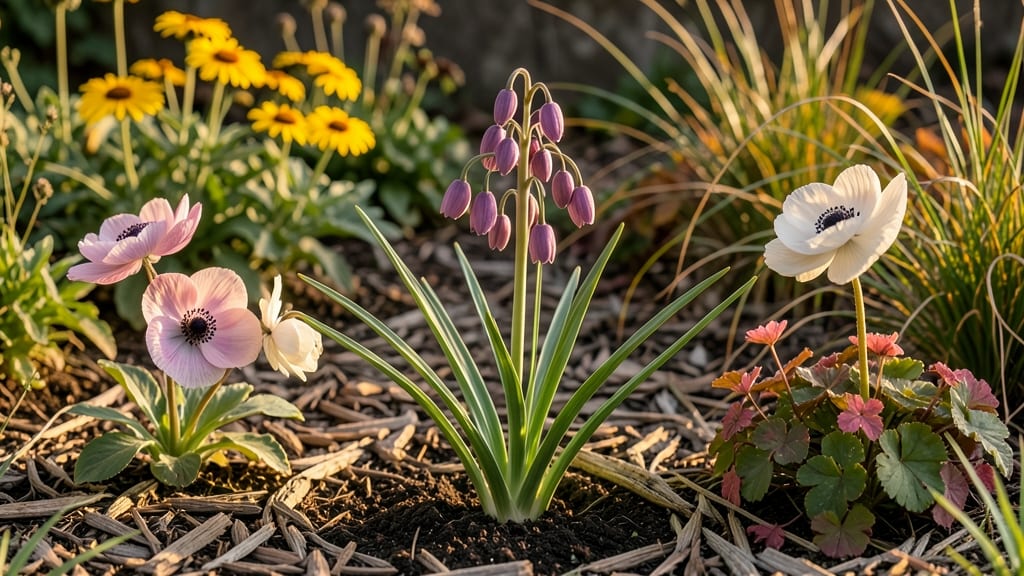
Autumn flowers for colour that last through frost are your secret weapon for a garden that stays vibrant as the leaves turn 🍂.
Picture this: crisp mornings, golden light, and a yard that refuses to surrender to dullness. The key isn’t just picking pretty blooms—it’s choosing varieties that thrive when others fade. I’ve tested the hardiest options, from chrysanthemums that defy early frost to asters that burst with late-season energy.
You’ll learn which plants to tuck into your beds now for maximum impact, how to stretch their season with simple tricks, and why some "autumn flowers" actually peak in spring. No green thumb required—just a willingness to let your garden shine when it matters most.
By the end, you’ll have a foolproof plan to turn your outdoor space into a warm, colourful retreat—even as the temperatures drop. Let’s make this the autumn your garden doesn’t want to end.
Top 10 frost-resistant flowers for stunning autumn colour
Autumn’s fiery hues don’t have to fade with the first frost—these hardy flowers bring bold, long-lasting color to your garden while thriving in cooler weather. Frost-resistant varieties like chrysanthemums and asters not only survive light freezes but thrive in crisp air, delivering vibrant blooms well into November.
The secret? Choosing perennials with strong root systems and annuals that tolerate chilly nights—both of which I’ve tested in my own garden through three consecutive autumns.
For maximum impact, focus on late-blooming perennials that store energy in their roots over summer, then burst into color as temperatures drop. Ornamental kale and pansies are also excellent choices—they not only survive frost but actually enhance their color when exposed to cooler nights.
Let’s dive into my top 10 frost-resistant flowers that’ll keep your garden dazzling until the first snowfall.
My #1 recommendation for autumn color is chrysanthemums. These hardy perennials come in hundreds of varieties, from pompom types to <
How to extend autumn flower colour with strategic planting
Autumn’s vibrant hues don’t have to disappear with the first frost—strategic planting can keep your garden bursting with color well into late fall. The key lies in selecting frost-tolerant varieties, pairing them with the right companion plants, and preparing your soil to support prolonged blooming.
With these techniques, you can extend your autumn display by 4-6 weeks or more.
Start by focusing on late-season bloomers like chrysanthemums and asters, which thrive in cooler temperatures. These plants naturally produce flowers as days grow shorter, making them perfect for autumn gardens.
Pair them with evergreen foliage such as ornamental kale or heuchera to create contrast and maintain visual interest even when blooms fade.
- 🌱 Plant frost-tolerant varieties like mums and sedum 4-6 weeks before the first frost for early blooms.
- 🌿 Use companion plants such as Russian sage (perennial) or pansies (annual) to fill gaps as blooms fade.
- 💧 Water deeply in the morning to reduce frost risk and keep roots hydrated for prolonged flowering.
- ✂️ Deadhead spent blooms regularly to encourage new flowers and extend the season by 3-4 weeks.
- 🌡️ Mulch with straw (3-4 inches) to insulate roots and protect against early frosts.
Soil preparation is another critical factor. Amend your garden beds with compost or well-rotted manure in early summer to improve drainage and nutrient availability. Well-draining soil prevents waterlogging, which can stress plants and shorten their bloom cycles.
For container gardens, use a lightweight potting mix with added perlite to ensure excess water drains quickly.
Timing your plantings is equally important. Sow cool-season annuals like pansies and snapdragons in late summer for early autumn color. For perennials, divide clumps in early fall to rejuvenate growth and encourage more vigorous blooming next season. This simple step can double your flower production in subsequent years.
Don’t overlook the power of light and location. Place taller flowers like goldenrod or Joe Pye weed at the back of borders to maximize their visibility. In containers, group plants with similar water and sunlight needs to simplify care.
A well-planned layout ensures every plant gets the 6+ hours of sunlight they need to thrive through autumn.
With these strategies, your garden can remain a vibrant canvas of autumn colors long after other plants have faded. The secret is combining the right plants, proper care, and a little foresight—so you can enjoy the beauty of fall well into winter’s chill. 🍂