
Light Requirements
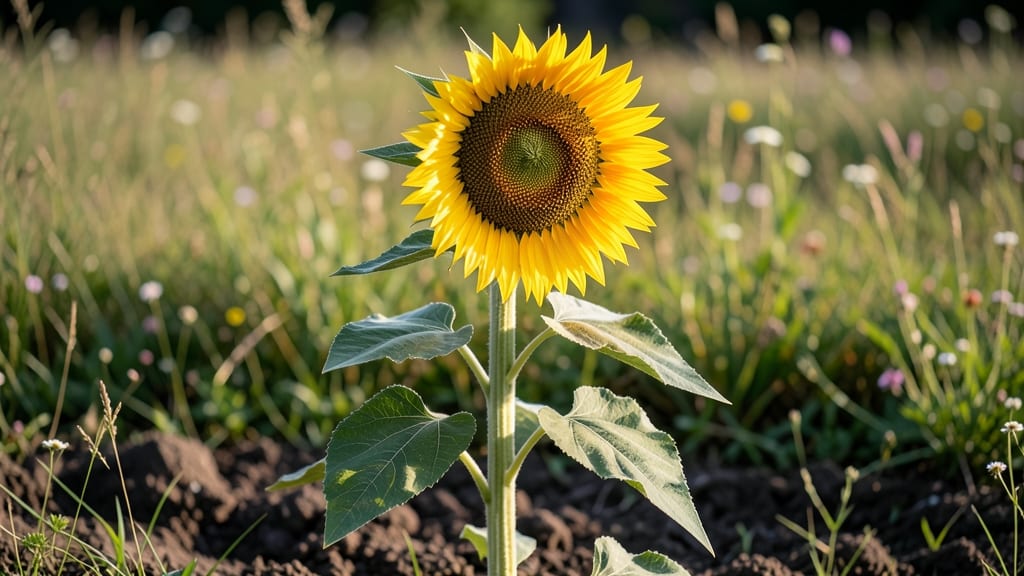
A full grown mammoth sunflower 🌻 can stretch toward the sky like a garden skyscraper, often reaching heights of 10 to 14 feet with the right care.
Imagine a sunflower so towering it feels like a skyscraper in your garden—this is the majestic Mammoth sunflower, a giant among annuals that can reach heights of 12 feet or more.
But before you plant one, knowing exactly how tall they grow, their care requirements, and the best varieties to choose from is essential for a thriving garden.
These sunflowers aren’t just about height—they’re a statement piece in any yard. With their massive blooms and sturdy stems, they bring drama and a touch of the wild to your space.
However, their size also means they need the right conditions to thrive, from full sun exposure to proper spacing and support.
In this guide, you’ll discover how to maximize their growth, the top varieties to consider, and pro tips to keep them standing tall—because a 14-foot sunflower isn’t just impressive; it’s a reward for the right care.
How tall do full-grown Mammoth sunflowers get?
When you plant a Mammoth sunflower, you're welcoming a true giant into your garden—these towering beauties can reach heights of 10 to 14 feet under ideal conditions. Their massive stature makes them a standout feature, but achieving that full height requires the right growing conditions, care, and support.
Whether you're planning a dramatic backyard display or a pollinator-friendly border, understanding their growth potential is key to success.
The average mature height for Mammoth sunflowers typically falls between 10 and 12 feet, though some varieties like the 'Russian Giant' can surpass 14 feet with exceptional care.
Their rapid growth—often 3 to 4 inches per day during peak season—means they can go from a tiny sprout to a sky-scraping giant in just a few months. This growth spurt is why proper soil preparation, sunlight exposure, and watering are non-negotiable for maximizing their height.
| Growth Stage | Height Range | Time to Reach Stage | Key Care Notes |
|---|---|---|---|
| Seedling | 0.5–2 ft | 2–4 weeks | Keep soil moist, thin seedlings to 18–24" |
| Vegetative Growth | 6–8 ft | 6–8 weeks | Fertilize with 5-10-10, stake if needed |
| Flowering | 10–14 ft | 10–12 weeks | Deep watering, support stems, watch for pests |
| Seed Production | 12–14 ft | 12–16 weeks | Leave seed heads for birds, cut back dead foliage |
One of the biggest factors influencing how tall your Mammoth sunflower grows is sunlight exposure. These sun-loving plants need at least 6 to 8 hours of direct sunlight daily to reach their full potential. Inadequate light leads to leggy, weak stems that struggle to support the massive flower head.
If you're growing them in partial shade, expect heights to max out around 8 to 10 feet, which is still impressive but not the towering giants you’d hope for.
Another critical factor is soil quality and fertility. Mammoth sunflowers thrive in well-draining, nutrient-rich soil with a pH between 6.0 and 7.5.
Amending your soil with compost or a balanced fertilizer (5-10-10) at planting and again when the plants are about 6 inches tall will give them the boost they need to grow tall and strong.
Poor soil can stunt their growth, leading to heights closer to 6 to 8 feet instead of the 12-foot giants you’re dreaming of.
Watering plays a surprisingly big role in their height too. While Mammoth sunflowers are drought-tolerant once established, they need consistent moisture during their early growth stages to develop sturdy stems.
Deep watering 2 to 3 times per week during dry spells ensures they don’t experience stress, which can limit their height. Overwatering, however, can lead to weak stems prone to toppling, so always let the top inch of soil dry out between waterings.
If you’re growing Mammoth sunflowers in your garden, you’ll quickly realize their massive stems need support to prevent them from snapping or falling over. Without proper staking or caging, even the healthiest plants can topple under their own weight.
I recommend using bamboo stakes or tomato cages inserted into the soil at planting time. As the plant grows, gently tie the stem to the stake with soft plant ties or old fabric strips every 2 to 3 feet to distribute weight evenly.
For even taller varieties like the 'Russian Giant', consider using a trellis or sturdy wooden frame to provide additional support. These giants can grow so tall that they may need multiple stakes or a woven lattice structure to keep them upright.
The key is to support them early and often—waiting until they’re already leaning is too late to save them from toppling.
Finally, don’t forget that variety selection plays a role in how tall your sunflow
Top 5 Mammoth sunflower varieties for your garden
Choosing the right mammoth sunflower variety can transform your garden into a towering, golden spectacle. These giants aren't just tall—they're disease-resistant powerhouses with vibrant blooms that attract pollinators. Whether you want early blooms or extended fall color, there's a perfect variety for your USDA zones 3-9.
Let's explore the top 5 options that will make your neighbors green with envy! 🌻
If you're dreaming of a 12-foot sunflower that dominates your landscape, the 'Russian Giant' variety is the undisputed champion. This variety is famous for its record-breaking height of up to 14 feet and drought-tolerant nature.
It thrives in full sun exposure and blooms from mid-summer to early fall, providing weeks of golden beauty. However, its massive size requires sturdy staking to prevent toppling in windy conditions.
Comparison Table: Top 5 Mammoth Sunflower Varieties
For a unique color twist, the 'Autumn Beauty' variety offers multicolored blooms that transition from red to orange to yellow as they mature. This variety is perfect if you want extended fall interest and thrives in cooler climates (zones 3-9).
Its disease-resistant nature makes it ideal for gardeners who want low-maintenance beauty without sacrificing height or vibrancy.
If you're looking for a showstopper with a soft touch, the 'Giant Moonshine' variety delivers creamy white petals that contrast beautifully against golden centers. This variety reaches 10-12 feet and blooms in mid-summer, making it a great choice for early-season color.
It’s particularly stunning in cut flower arrangements and attracts bees and butterflies like crazy! 🐝
Lastly, the 'American Giant' is a classic choice for gardeners who want reliable height and bold yellow blooms. This variety is rust-resistant and thrives in USDA zones 3-10, making it one of the most versatile options for different climates.
Its towering stature (up to 14 feet) ensures it will be the centerpiece of any garden.
When selecting your mammoth sunflower variety, consider your garden's sunlight, available space, and desired bloom time. Each of these top 5 varieties brings something special to your garden—whether it's height, color, or disease resistance. Happy planting! ✂️