
Plants
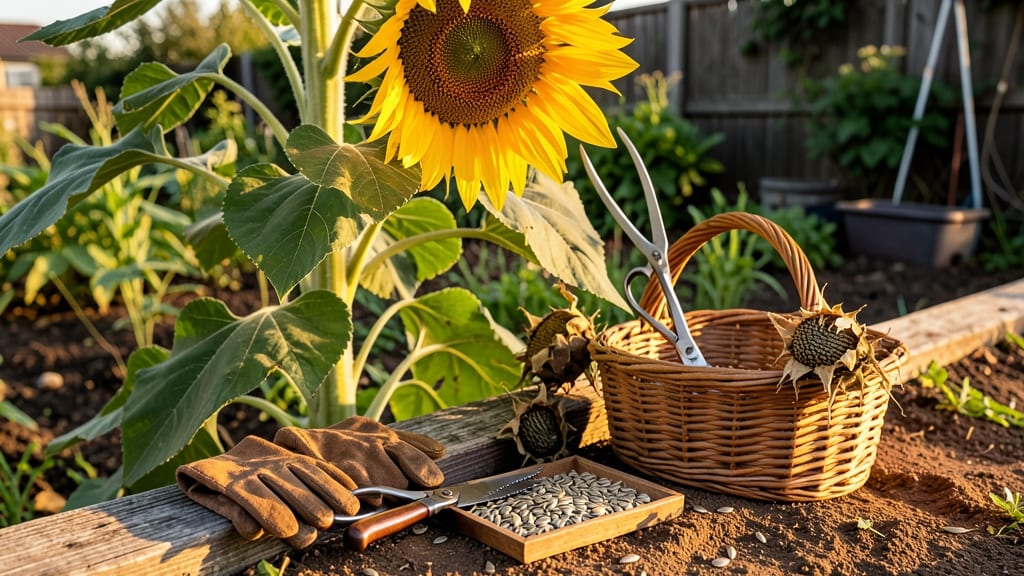
Harvesting sunflower plants at the right moment turns those towering 🌻 blooms into a goldmine of seeds, cut flowers, or even edible treats—if you time it perfectly.
Picture this: you’ve spent months nurturing your sunflowers, only to watch the seed heads shatter on the ground before you could save a single one. That’s the heartbreak of harvesting too late—or too early, when seeds are still green and useless.
In this guide, I’ll walk you through the exact signs to watch for—like the back of the petals turning brown and dry—and the step-by-step cutting and drying techniques that preserve your harvest for months.
Whether you’re saving seeds for next year’s garden, crafting bouquets, or even roasting sunflower seeds for snacks, you’ll learn how to avoid the most common mistakes that turn a bountiful harvest into a bust.


When to harvest sunflower heads for maximum seed viability
Harvesting sunflower seeds at the perfect moment ensures high viability and plump, healthy seeds for next year's garden. The key is watching for visual cues that signal maturity, not just guessing by days after flowering.
I’ve learned the hard way—harvesting too early means underdeveloped seeds, while waiting too long risks seed loss from birds or weather. Let’s break down the critical signs to watch for.
First, focus on the back of the flower head. When the petals turn brown and dry, it’s your first clue that the seeds are maturing. The seed head should feel dry and papery to the touch, almost like crumpling paper.
If you shake the head gently, you’ll hear seeds rattle inside—this is a tell-tale sign of readiness. I always test this by picking a seed head and giving it a little shake; if seeds fall out easily, it’s time to harvest!
| Stage | Visual Cues | Action |
|---|---|---|
| Early Maturity | Petals still vibrant, seed head green | Wait 1-2 weeks |
| Peak Maturity | Petals brown/dry, seeds rattle, back turns yellow | Harvest immediately |
| Over-Mature | Seed head splits, seeds scatter, mold risk | Harvest if needed, but seeds may be compromised |
| Environmental Factor | Frost forecast, heavy rain | Harvest early to save seeds |
The back of the sunflower head is where the magic happens. When it turns from green to yellow-brown, the seeds are nearing perfection. I’ve found that varieties like 'Mammoth' or 'Autumn Beauty' take about 70-90 days to reach this stage, but always check visually—days alone aren’t reliable.
For example, a hot summer might speed up maturity, while a cool season could delay it. Pay attention to your local climate and adjust accordingly.
Another trick I use is the "thumb test". Press a seed lightly with your thumbnail—if it’s dark and firm, it’s ready. Light-colored or soft seeds mean more time in the field.
I also avoid harvesting when humidity is high, as damp seeds are prone to mold or rot. Early mornings are ideal for checking maturity because dew hasn’t formed yet, giving you a clearer view of the seed head’s true color.
Environmental factors play a huge role in harvest timing. If frost is forecasted before seeds mature, harvest early to save them indoors. Heavy rain can also accelerate seed loss or cause mold, so keep an eye on the weather.
In my Zone 6a garden, I’ve had to rush harvests in late September to avoid early frost damage. Always have a backup plan—like a drying rack indoors—ready for unexpected weather changes.
Don’t ignore the seed head’s structure. When the outer bracts (papery layers) turn crispy and the head feels lightweight, it’s a sign the seeds are fully dried. If you wait until the head splits open, you’ll lose half your harvest to birds or wind.
I once missed this cue and woke up to a bare stalk—a lesson I won’t forget! Cutting just before the head splits gives you the best chance at high-quality seeds.
For seed-saving purposes, prioritize heads that show all maturity signs. If you’re harvesting for culinary use (like roasted sunflower seeds), you can wait slightly longer, but viability drops fast once seeds dry out.
I’ve saved seeds from over-mature heads by drying them quickly, but germination rates drop by 20-30%. When in doubt, harvest a few heads early and monitor their progress.
Finally, consider the purpose of your harvest. If you’re growing sunflowers for cut flowers, you can harvest earlier when petals are still vibrant. But for seed viability, always wait for the brown, dry back.
I’ve used this method for years to save seeds for my heirloom varieties, and it’s given me a 90%+ germination rate when done correctly. The key is patience and attention to detail—your future garden will thank you!
Remember, every sunflower variety has slight variations in maturity. Dwarf varieties like 'Teddy Bear' mature faster than giants like 'Russian Giant,' so adjust your timing accordingly. By mastering these cues, you’ll never waste a harvest again—just plump, viable seeds ready for planting or snacking! 🌻
Step-by-step guide to properly cutting and drying sunflower stems
Once your sunflower heads show maturity signs like brown petals and dry seed heads, it’s time to harvest. Proper cutting and drying preserve seed viability and prevent mold or pests. I’ve perfected this process over years of seed saving—here’s exactly how I do it.
Timing is everything: harvest when the back of the head turns fully brown and the seed heads rattle when shaken. Cutting too early risks underdeveloped seeds, while waiting too long means seeds scatter or spoil. I always work on dry mornings to avoid moisture-related issues.
- 1 Gather tools: Sharp pruners, rubber bands or twine, paper bags, and a clean workspace.
- 2 Cut stems: Use clean pruners to cut 2-3 inches below the seed head at a 45-degree angle to increase water uptake during drying.
- 3 Remove leaves: Strip all foliage from the stem to prevent mold growth and focus drying energy on the seed head.
-
4
Choose drying method:
- Hanging: Tie stems in small bundles with rubber bands and hang upside down in a dry, dark space (e.g., garage or shed).
- Flat drying: Lay stems on a wire rack or mesh screen in a single layer, ensuring good airflow.
- 5 Monitor drying: Check weekly for dry seed heads (no moisture when squeezed). Full drying takes 2-4 weeks, depending on humidity.
- 6 Store seeds: Once completely dry, remove seed heads from stems and store in paper bags or airtight containers in a cool, dark place for up to 2 years.
Avoid plastic bags for storage—they trap moisture and cause mold. I always use paper bags because they allow seeds to breathe while keeping pests out. For extra protection, add a silica gel packet to absorb any lingering moisture.
If you’re drying sunflowers for floral arrangements instead of seeds, cut stems when the petals are fully open but still vibrant. Place them immediately in clean water and change the water daily to extend vase life. For seed saving, dry conditions are non-negotiable—humidity above 50% risks spoilage.
Pro tip: Label your stored seeds with the variety name and harvest year to track germination rates. I’ve saved seeds from my Moulin Rouge variety for three years running—just imagine the possibilities for next season’s garden! 🌾