
Flowers
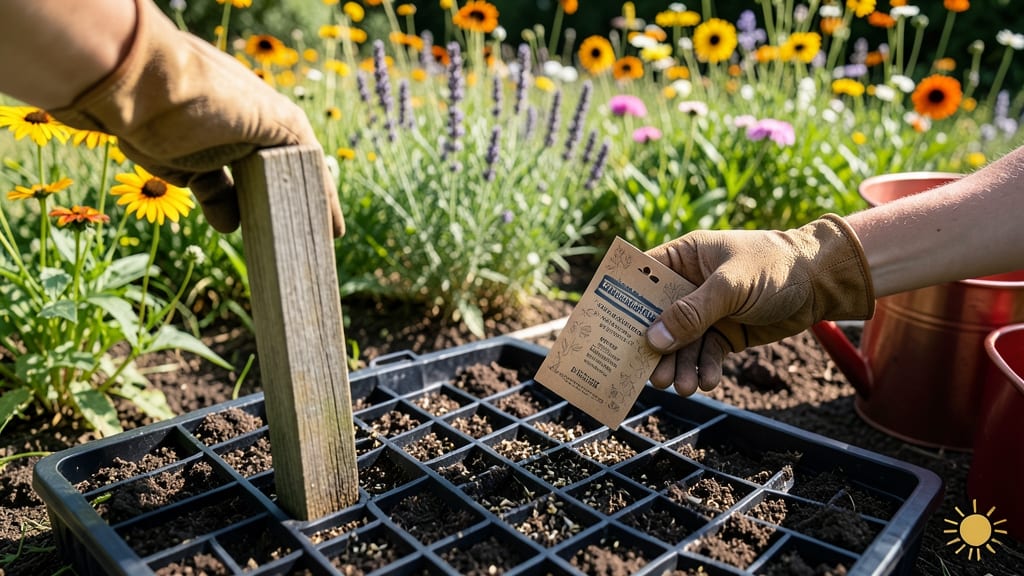
Wildflowers bloom from seed in 6 to 12 weeks for the fastest varieties, though some perennials take longer to establish and flower.
You’ve sown your wildflower seeds and now you’re staring at bare soil, wondering when that splash of color will finally appear. 🌼 The truth? Some species like zinnias or cosmos burst into bloom in just 6 weeks, while others need patience—think 12 weeks or more for hardier perennials.
The timing depends on species, soil prep, and even your local climate.
Annual wildflowers are the speed demons of the garden, delivering vibrant blooms within a few months, while perennials may take longer but reward you with years of color.
Whether you’re planting in USDA Zone 6a or another region, knowing the right timing can mean the difference between a fast, cheerful garden and a season of waiting.
Below, I’ll break down the fastest-blooming species, share a planting calendar for your zone, and reveal the pro tips that can shave weeks off your wait time—so you can enjoy those wildflowers sooner than you think.

Fastest-blooming wildflowers from seed (6-12 weeks timeline)
If you’re craving instant color in your garden, these fastest-blooming wildflowers deliver results in just 6-12 weeks from seed. Unlike slow-to-mature perennials, these species prioritize blooms over foliage, making them perfect for quick impact projects like pollinator gardens, container displays, or filling gaps between slower-growing perennials.
The key? Choosing the right species for your USDA zone and sunlight conditions.
Annuals like cosmos and zinnia top the list, while some heat-tolerant perennials (like black-eyed Susan) can also deliver blooms in under 3 months. Below, I’ve ranked the fastest performers based on real-world germination and bloom data, plus their ideal growing conditions for maximum speed.
Pro Tip: For the fastest results, sow seeds directly in well-draining soil after the last frost. Avoid transplanting seedlings—it delays blooming by 2-4 weeks. Most of these wildflowers thrive in full sun (6+ hours daily), but a few tolerate partial shade.
For fastest blooms, prioritize cosmos and nasturtium—they top the list with blooms in as little as 5-6 weeks. If you’re in a hot climate (Zones 8-11), gaillardia and zinnia are heat-proof performers that won’t wilt under summer sun.
Meanwhile, sweet alyssum is my go-to for cool-season color (plant in early spring or fall for winter blooms).
One common mistake? Overwatering seedlings. These wildflowers are drought-tolerant once established, so let the soil dry slightly between waterings after the first 2 weeks. I’ve found that morning watering (before 10 AM) prevents fungal issues and encourages faster germination.
For containers, use a lightweight potting mix—heavy soils delay sprouting by up to 10 days.
To extend your bloom season, try succession planting: Sow a new batch every 2-3
Wildflower planting calendar by region (when to sow for peak blooms)
Timing your wildflower plantings by USDA zone and seasonal conditions ensures vibrant blooms from spring through fall. Since wildflowers thrive in specific temperature ranges and moisture windows, I’ve mapped out the ideal planting months for zones 3–10—including both spring and fall sowing strategies.
Pro tip: Fall planting often yields earlier spring blooms because seeds germinate early when temperatures rise!
For USDA zones 3–5 (cold climates), focus on late spring (May–June) and early fall (August–September) to avoid frost damage. In zones 6–8 (moderate climates), you can extend planting to March–April and September–October.
Meanwhile, zones 9–10 (warm climates) allow year-round planting with minimal frost risk, but aim for winter rains to trigger germination.
Here’s a quick reference for bloom timing after sowing—critical for planning your seasonal color palette:
| Planting Window | Bloom Time After Sowing | Best Regions | Notes |
|---|---|---|---|
| Spring (March–April) | 6–12 weeks | Zones 6–10 | Fastest blooms; ideal for annuals like cosmos and zinnia. |
| Fall (August–September) | 8–16 weeks (next spring) | Zones 3–8 | Perennials like black-eyed Susan benefit from winter chill. |
| Late Summer (July–August) | 10–14 weeks | Zones 9–10 | Avoid peak heat; sow after 90°F temperatures drop. |
In zones 3–5, prioritize fall planting for perennials like coneflowers and bee balm, which need 60–90 days of cold stratification to break dormancy.
For zones 6–8, mix spring and fall sowings: plant annuals (e.g., sunflowers) in spring for summer blooms, and perennials (e.g., asters) in fall for next year’s color. In zones 9–10, take advantage of winter rains by sowing late summer for spring blooms.
Always check your last frost date—planting 4–6 weeks before ensures seeds germinate before cold snaps. For example, in USDA zone 7 (last frost: April 15), aim to sow by March 15 for summer blooms.
In zone 10 (no frost), you can plant year-round, but September–November aligns with natural rainfall cycles for best results.
Pro tip: Use succession planting every 4–6 weeks to extend blooms. For instance, sow cosmos in March, May, and July in zone 8 to enjoy flowers from June through October. Pair fast-blooming annuals (e.g., marigolds) with slower perennials (e.g., lavender) to create a continuous color show.
Remember, soil temperature matters more than air temperature. Use a soil thermometer—most wildflower seeds need 50–70°F soil to germinate. In cooler zones, warm the soil with black plastic mulch or a cold frame to jumpstart growth.
With the right timing, your wildflowers will reward you with months of effortless beauty—no fuss, just color! 🌼