
Watering
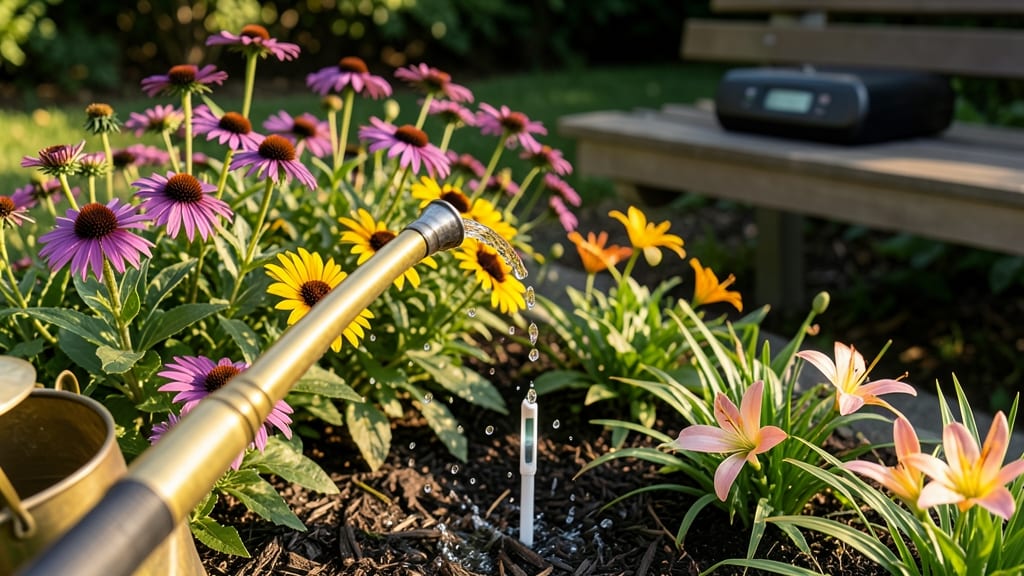
Watering flower beds the right way means knowing how often to water them—too little and they wilt, too much and they rot, and neither helps your 🌸 blooms thrive.
Struggling to keep your flower beds vibrant and healthy? Overwatering or underwatering can kill your plants faster than pests—so timing your watering schedule just right is the secret to a lush, thriving garden.
Soil type plays a huge role: sandy soil drains fast, while clay holds moisture longer. Seasonal shifts also change the game—summer demands more frequent watering, while winter slows things down.
Below, I’ll break down the exact watering schedule by soil type and season, plus how to spot when your plants are thirsty or drowning. No more guesswork!
Watering frequency for flower beds by soil type: sand vs clay vs loam
Your flower beds might look identical, but the soil type underneath can change your watering game completely. Sand, clay, and loam soils all behave differently—sand drains like a sieve, clay holds moisture like a sponge, and loam strikes the perfect balance.
If you water once a week without checking your soil, you could either drown your annuals or leave them thirsty. Let’s fix that!
First, grab a handful of damp soil and squeeze it. If it crumbles easily, you’ve got sandy soil. If it forms a tight ball that cracks when dropped, it’s clay-heavy. Loam will hold its shape but break apart with gentle pressure.
Knowing your soil type means you’ll water precisely—no guesswork, just happy plants. Let’s dive into the watering schedules for each!
⚠️ PRO TIP: Add 1-2 inches of organic mulch around your flower beds to slow moisture loss in sandy soil and improve drainage in clay. This single step can cut your watering time in half!
If your flower beds are in sandy soil, you’ll need to water frequently—think every 1-2 days in summer—to keep roots hydrated. Clay soil, on the other hand, can go 5-7 days between waterings because it clings to moisture like glue. Loam, the gardener’s gold standard, sits right in the middle with 3-4 days of watering frequency.
For sandy soil, use a soaker hose or drip irrigation to deliver water slowly and deeply. Clay soil benefits from raised beds or amended soil (mix in compost or perlite) to improve drainage. Loam is forgiving but still needs deep watering—aim for 1.5 inches per session to encourage strong root growth.
Watch for wilting leaves or yellowing as red flags. Overwatered plants in clay soil might show cracked soil or mold growth, while underwatered sandy soil plants often have dry, crispy edges. Adjust your schedule based on these clues—your perennials and annuals will thank you!
Pro tip: Test your soil’s moisture by sticking your finger 1 inch deep. If it feels dry, it’s time to water. If it’s damp, wait another day. This simple trick saves time and keeps your flower beds thriving without waste.
Don’t forget to mulch! A 2-inch layer of straw or wood chips helps regulate soil temperature and retains moisture—critical for sandy soil and a lifesaver for clay soil that dries out too quickly. Mulch also suppresses weeds, so you’re killing two birds with one shovel!
For container gardens or potted flowers, sandy soil means checking moisture daily, while clay pots may need watering every 4-5 days. Always use pots with drainage holes to prevent root rot, and group plants with similar water needs together for efficiency.
Seasonal shifts matter too! In summer, sandy soil may need watering twice daily during heatwaves, while clay soil can stretch to 10 days between waterings if rainfall is consistent. Spring and fall are gentler—reduce frequency by 30% and monitor for rainfall.
Final thought: Observe your plants. Happy flowers mean you’re nailing the watering schedule! If your roses or petunias look perky and blooming, you’re on the right track. If not, tweak your approach—your garden’s health is worth the effort. 🌸
Seasonal watering schedule for flower beds: spring, summer, fall, winter
Watering flower beds isn't a one-size-fits-all task—it changes with the seasons, your local climate, and even the type of plants you're growing. In spring, for example, your flowers need more frequent watering to support new growth, while winter dormancy means you can cut back significantly.
Let's break down how to adjust your watering schedule month by month, tailored to arid, temperate, and humid climates.
Climate plays a huge role in your watering routine. In arid regions, you'll need to water more often but deeply, while humid climates may require less frequent watering due to higher rainfall. Temperate zones fall somewhere in between, with moderate adjustments needed throughout the year.
Always check the top inch of soil before watering—if it's dry, it's time to water.
| Season | Climate Type | Watering Frequency | Notes |
|---|---|---|---|
| Spring | Arid | Every 3-4 days | Deep watering to encourage root growth |
| Spring | Temperate | Weekly | Adjust for rainfall; mulch helps retain moisture |
| Spring | Humid | Every 7-10 days | Monitor for fungal risks from excess moisture |
| Summer | Arid | Every 2 days | Water early morning to reduce evaporation |
| Summer | Temperate | Every 2-3 days | Use drip irrigation for efficiency |
| Summer | Humid | Every 4-5 days | Focus on late afternoon watering |
| Fall | Arid | Every 5-7 days | Reduce as temperatures drop |
| Fall | Temperate | Every 7-10 days | Prepare for winter dormancy |
| Fall | Humid | Every 10-14 days | Minimize watering as rain increases |
| Winter | Arid | Every 2-3 weeks | Only water if soil is completely dry |
| Winter | Temperate | Every 3-4 weeks | Focus on evergreens and perennials |
| Winter | Humid | Monthly or as needed | Avoid watering if ground is frozen |
In spring, focus on establishing deep roots by watering deeply but less frequently.
This encourages your plants to grow strong roots that can reach moisture deeper in the soil. Summer is the most critical time for watering—most plants will need water every 2-3 days, especially in arid climates.
Use a soaker hose or drip irrigation to deliver water directly to the roots and reduce evaporation.
As fall approaches, you can gradually reduce watering frequency. Most plants enter a dormant phase, and overwatering can lead to root rot or fungal issues.
In humid climates, be extra cautious—excess moisture can create the perfect environment for mold and mildew. Winter watering should be minimal, focusing only on evergreen plants or perennials that stay active through the cold months.
Pro tip: Always water in the early morning to allow foliage to dry out during the day, reducing the risk of disease. If you're unsure whether your plants need water, perform the finger test: stick your finger about an inch into the soil.
If it feels dry, it's time to water. If it's moist, wait a few more days.
Adjust your schedule based on specific plant needs—some drought-tolerant varieties like lavender or succulents will thrive with less water, while thirsty plants like impatiens or petunias need consistent moisture. Pay attention to your garden's unique conditions, and don't be afraid to tweak your routine as needed.