
Flowers
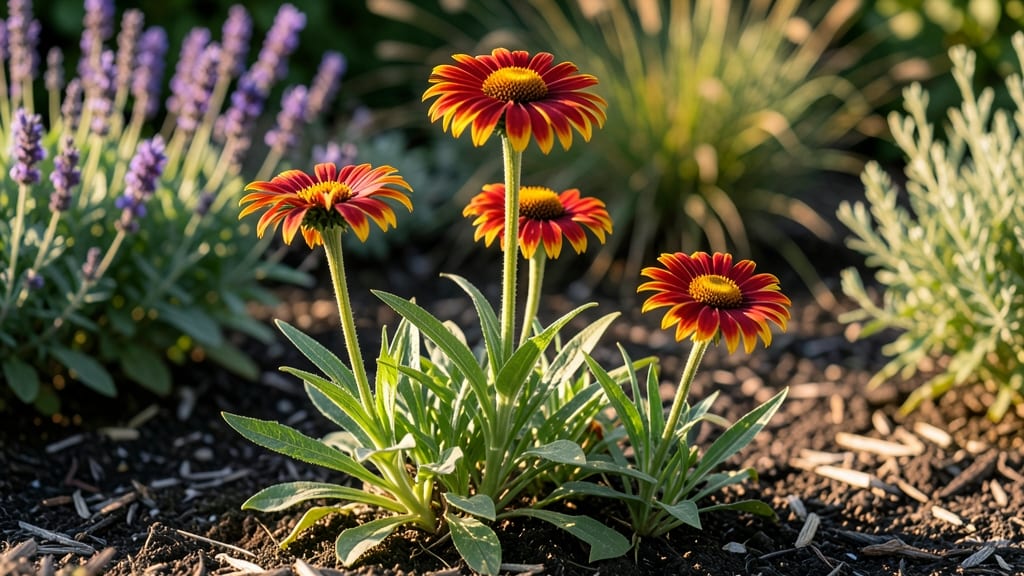
Blanket flower 🌼 grows between 1 and 4 feet tall, depending on the variety and growing conditions—making it a versatile choice for borders, containers, or wildflower gardens.
If you’re planning your garden layout, knowing these height ranges is key. A compact variety like 'Goblin' stays under 2 feet, perfect for edging, while taller types like 'Arizona Sun' can reach nearly 3 feet, adding drama to mixed beds.
Soil quality, sunlight, and pruning all play a role in how tall your blanket flower grows. In well-drained soil with full sun, these plants thrive and often exceed their expected height, while overcrowding or poor soil can stunt their growth.
Below, I’ll break down the height ranges by variety, share tips to control growth, and help you pick the best type for your space—whether you want a low border or a tall backdrop.


Blanket flower height by variety: compact to towering types
If you're planning your garden layout, understanding blanket flower height is key to creating a balanced, visually stunning space. These cheerful blooms come in a range of sizes, from compact varieties perfect for containers to taller types that thrive in borders.
Knowing exactly how tall each variety grows helps you space plants properly and avoid overcrowding—while maximizing their vibrant colors and long bloom seasons.
Blanket flowers (Gaillardia) typically mature between 1 to 4 feet, but their height varies dramatically by variety. Some stay under 12 inches, making them ideal for rock gardens or window boxes, while others reach nearly 4 feet, perfect for tall borders or cutting gardens.
The right choice depends on your garden design goals, whether you're aiming for low-maintenance ground cover or dramatic vertical accents.
Pro Tip: Always check the mature height on seed packets or plant tags, as even within the same series (like the 'Fanfare' collection), heights can differ by several inches. For example, 'Fanfare Red' stays compact at 12–18 inches, while 'Fanfare Yellow' can stretch to 24 inches. These differences matter when pairing varieties for color contrast or creating height layers in your beds.
For small gardens or containers, focus on dwarf varieties like 'Goblin' or 'Fanfare Double Click', which stay under 18 inches. These are perfect for window boxes, hanging baskets, or rock gardens where space is limited.
Their compact size also makes them easier to maintain, as they require less frequent deadheading to keep blooms coming.
If you're designing a tall border or cutting garden, opt for varieties like 'Arizona Sunburst' or 'Mesa Red', which can reach 3 feet or taller. These varieties add vertical interest and work well when planted behind shorter perennials or annuals.
Just be sure to stake them if your garden gets windy, as their top-heavy blooms can flop without support.
One of my favorite tricks for mixing heights is to pair a short variety like 'Goblin' (6–12 inches) with a medium-height type like 'Fanfare Red' (18–24 inches) in the same bed. This creates a natural tiered effect that draws the eye upward while keeping the garden feel full and lush.
For example, in a pollinator garden, I’ll plant 'Goblin' in the front row, 'Fanfare Yellow' in the middle, and 'Arizona Sunburst' in the back.
Remember that soil quality and sunlight can influence height slightly. Rich, well-draining soil with full sun exposure encourages fuller, bushier growth, while poor soil or shade may result in leggier, taller stems.
If you notice your blanket flowers stretching too much, it’s a sign they need more sunlight or balanced fertilizer to stay compact and robust. A light application of 5-10-10 fertilizer in early spring can help promote stronger, shorter growth.
For container gardening, choose varieties
How to control blanket flower height for small gardens
Blanket flowers (Gaillardia) are stunning perennials that can reach 1 to 4 feet tall depending on the variety. If your garden space is limited, you’ll want to manage their growth to keep them from overwhelming your landscape.
The good news? With a few simple techniques, you can encourage compact growth or control their height naturally.
Start by choosing dwarf varieties like 'Goblin' or 'Fanfare Series,' which typically stay under 2 feet tall. These are perfect for borders, containers, or small garden beds. For taller varieties like 'Arizona Sun' or 'Mesa Red,' you’ll need to employ growth-control strategies to keep them in check.
Blanket flowers grow taller in rich soil but stay compact in poor soil. If your plants are reaching 3+ feet, your soil may be too fertile. Test your soil and amend with sand or gravel to encourage shorter growth.
Pruning is one of the most effective ways to manage blanket flower height. Use clean, sharp pruners to trim back overgrown stems by one-third after the first flush of blooms.
This encourages bushier growth and prevents legginess. For a more neat, controlled look, prune again in mid-summer to shape the plant.
Deadheading—removing spent blooms—is another key technique. By pinching off faded flowers, you redirect the plant’s energy into producing more blooms instead of taller stems. This also keeps your blanket flowers looking tidy and encourages a second flush of flowers in late summer.
Wear gloves if you’re sensitive to their slightly prickly stems!
Adjust your fertilizer routine to influence height. Blanket flowers thrive on low-nitrogen fertilizer (like a 5-10-10 blend). Over-fertilizing with nitrogen can lead to taller, leggier growth. Instead, use a balanced fertilizer sparingly—just 1 tablespoon per plant every 6-8 weeks during the growing season.
Finally, consider the planting location. If your blanket flowers are in a sunny, well-draining spot, they’ll naturally stay more compact. Avoid planting them in shady or overly moist areas, as these conditions can lead to weaker stems and taller, floppier growth.
Mulch around the base with gravel or coarse sand to improve drainage and discourage excessive height.
With these strategies, your blanket flowers will stay proportionate to your garden while still delivering those vibrant, long-lasting blooms you love. Happy pruning! 🌼