
Flowers
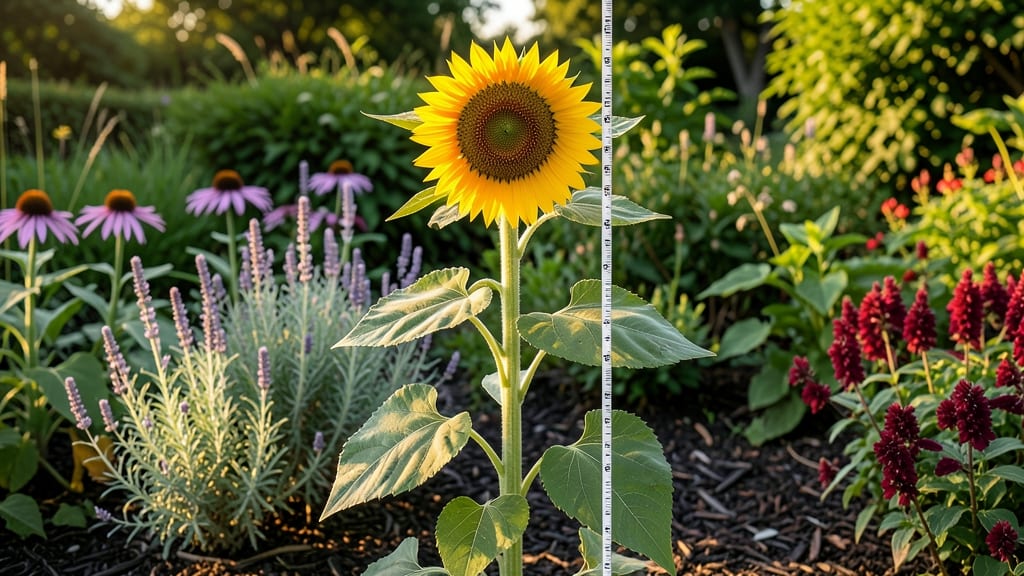
How tall sunflowers grow will turn your garden into a sunlit skyscraper 🌻 — from dwarf varieties barely taller than a child to towering giants that dwarf your house.
Picture this: one minute you’re admiring a 3-foot sunflower perfect for a patio planter, and the next, you’re craning your neck to see the top of a 15-foot monster that needs a ladder just to deadhead. That’s the magic of sunflowers — they’re not just flowers, they’re living architecture.
But here’s the catch: their height isn’t just down to luck. Soil quality, sunlight hours, and even the variety you pick can turn a 6-foot beauty into a 12-foot giant — or keep it compact enough for a small space.
I’ll break down the exact heights by type and share the secrets to growing them exactly how you want.
Whether you’re dreaming of a sunflower taller than your fence or just want a few cheerful blooms for cutting, you’ll leave here knowing exactly how to coax your plants to the perfect height — without sacrificing health or beauty.


Sunflower height by variety: from dwarf to giant species
Sunflowers come in a stunning range of heights, from adorable dwarf varieties perfect for containers to giant sunflowers that can dwarf even the tallest gardeners.
The height of your sunflower depends entirely on the variety you choose, with some reaching just 18 inches tall while others soar to 15 feet or more.
Whether you're designing a small urban garden or creating a dramatic focal point, selecting the right sunflower height will transform your outdoor space. Let’s explore the exact measurements and characteristics of sunflowers by height category.
Most sunflower varieties fall into three distinct height categories: dwarf (under 3 feet), medium (3-6 feet), and giant (6+ feet). Each category offers unique benefits—dwarf varieties are ideal for container gardening or small spaces, while giant varieties create breathtaking vertical interest.
The key to achieving the desired height lies in understanding the genetic potential of each variety and providing the right growing conditions. Let’s dive into the specifics.
Comparison Table: Sunflower Heights by Variety
| Variety Category | Height Range | Popular Varieties | Best For |
|---|---|---|---|
| Dwarf (Under 3 ft) | 18" - 36" | Teddy Bear, Little Becka, Sunspot | Containers, borders, small gardens |
| Medium (3-6 ft) | 36" - 72" | Moulin Rouge, Autumn Beauty, ProCut | Cut flowers, mid-height garden beds |
| Giant (6+ ft) | 8-15 ft | Mammoth, Russian Giant, Giant Single | Dramatic focal points, large gardens |
If you're growing sunflowers for cut flowers or seed production, medium-height varieties like Moulin Rouge (4-5 feet) are excellent choices. Their manageable height makes them easy to harvest while still providing abundant blooms.
For dramatic visual impact, giant varieties like Russian Giant can reach 12-15 feet, creating a stunning vertical accent in your garden. These varieties often require staking or support to prevent toppling in windy conditions.
For gardeners with limited space, dwarf sunflowers are a game-changer. Varieties like Teddy Bear (18-24 inches) produce double blooms that resemble pom-poms, perfect for container gardening or adding height to window boxes.
These compact varieties also mature faster, often flowering in as few as 50 days, making them ideal for short-season gardens. Their low height also makes them more resistant to wind damage and pest issues like aphids.
One of the most fascinating aspects of sunflower height is how genetics dictate growth potential. Giant varieties like Mammoth can grow 10+ feet tall under ideal conditions, but their growth rate slows significantly after reaching maturity.
In contrast, dwarf varieties focus their energy on bushier growth and multiple blooms rather than vertical expansion.
This genetic difference means that even with perfect care, a dwarf sunflower won’t grow taller than its 3-foot limit, while a giant variety will continue climbing until it hits its maximum height potential.
When selecting sunflowers for your garden, consider not just height but also flower size and bloom duration. For example, Autumn Beauty (medium height) produces bicolor blooms that last longer in arrangements than single-color varieties.
Meanwhile, ProCut (medium height) is bred specifically for long vase life, making it a favorite among florists. If you're growing sunflowers for birdseed, giant varieties yield the most seeds per head, while dwarf varieties produce smaller but more frequent harvests.
Did you know that some sunflower varieties can double their height with proper care? While genetics set the baseline, factors like soil fertility, sunlight exposure, and watering consistency can push a sunflower to reach its full potential.
For instance, a Russian Giant might only reach 8 feet in poor soil conditions but could soar to 14 feet with rich, well-draining soil and full-sun exposure. This flexibility makes sunflowers one of the most adaptable plants for gardeners looking to maximize height or control size.
If you're new to growing sunflowers, start with a medium-height variety like Autumn Beauty to get a feel for their growth habits. These varieties strike a balance between manageable size and impressive height, making them forgiving for beginners.
Once you're comfortable, experiment with dwarf varieties for containers or giant varieties for dramatic impact. Remember, sunflowers are annuals, so each year is a fresh opportunity to try new heights and varieties in your garden.
For container gardening, choose dwarf sunflowers with a maximum height of 3 feet to avoid tipping over. Place containers in full sun and use a lightweight potting mix to support healthy growth. If you're
Factors that determine sunflower height: soil, sun, and care
Sunflowers grow at astonishing rates when given the right conditions, but their final height depends on more than just genetics. The soil quality, sunlight exposure, and care routine you provide directly influence how tall they'll become.
For example, a giant sunflower variety like 'Mammoth' can reach 12-15 feet with ideal care, while the same variety might only hit 8 feet in poor soil or shade.
Think of sunflowers like skyscrapers—their foundation (soil) must be strong, their location (sunlight) must be prime, and their maintenance (watering, fertilizing) must be consistent. Even the most sunflower-tolerant varieties won’t reach their full potential without these key factors working together.
Let’s break down how each element plays a role in determining your sunflower’s height.
Key Factors for Sunflower Height
- 🌱 Soil: Nutrient-rich, well-draining soil = 30-50% taller growth
- ☀️ Sunlight: 6-8+ hours daily = maximum height potential
- 💧 Water: Deep watering 2-3x/week in dry spells
- 🌾 Fertilizer: Balanced 10-10-10 every 4-6 weeks boosts stem strength
Your sunflower’s soil quality is the first critical factor. These plants thrive in loamy, well-draining soil with a pH between 6.0 and 7.5. Heavy clay soil can stunt growth by 20-30%, while sandy soil may require extra compost to retain moisture.
I always amend my garden beds with 2-3 inches of compost before planting—this gives sunflowers the nutrients they need to develop strong, sturdy stems capable of supporting their massive flower heads.
When it comes to sunlight exposure, sunflowers are sun-worshippers. They need at least 6 hours of direct sunlight daily, but 8+ hours will maximize their height potential. Place them in the sunniest spot in your garden, as even partial shade can reduce their growth by 15-25%.
In my experience, sunflowers planted near south-facing fences or walls get the most sunlight and grow the tallest.
Watering plays a surprising role in height development. While sunflowers are drought-tolerant once established, consistent deep watering (1-2 inches per week) helps them grow taller by preventing stress. I water mine early in the morning to reduce evaporation and fungal risks.
Overwatering, however, can weaken stems and lead to toppling—so always ensure the soil has good drainage. A simple test is to stick your finger 2 inches deep; if it’s dry, it’s time to water.
Finally, fertilization directly impacts stem strength and height. Use a balanced fertilizer (10-10-10) every 4-6 weeks during the growing season. I avoid over-fertilizing with nitrogen, as this can produce lush foliage at the expense of height.
Instead, focus on phosphorus and potassium to encourage strong root and stem development. For container-grown sunflowers, I use half the recommended dose to prevent root burn.
With the right combination of soil, sun, and care, even dwarf varieties can grow taller than expected, while giant sunflowers can reach their full potential.
The key is consistency—give your sunflowers what they need, and they’ll reward you with stunning height and vibrant blooms that brighten up any garden space. 🌻