
Flowers
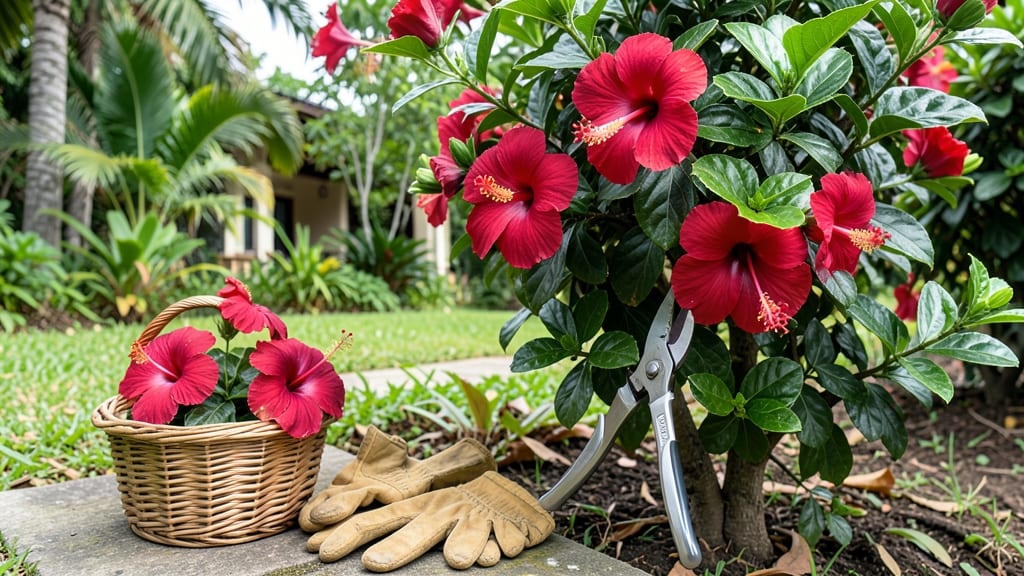
To harvest hibiscus flowers at their peak, pick them in the morning when petals are fully unfurled and vibrant 🌸—this ensures the most stunning blooms for crafts, tea, or arrangements.
Hibiscus flowers aren’t just stunning—they’re edible, medicinal, and perfect for teas, jams, or floral arrangements. But timing and technique make all the difference in harvesting them at peak freshness and beauty.
If you’ve ever cut a flower too late in the day and watched it wilt within hours, you know how critical the morning harvest is. The right tools—sharp pruners and gloves—also protect your plant while maximizing vase life or drying success.
Below, I’ll walk you through the best time of day and season to harvest, the tools you’ll need, and how to prune for long-lasting blooms—plus tips to avoid common mistakes that ruin your harvest.


Best time of day and season to harvest hibiscus flowers for maximum freshness
Harvesting hibiscus flowers at the right moment ensures vibrant colors, rich flavors, and longer vase life. The best time of day is early morning, between 6 AM and 9 AM, when petals are fully unfurled and dew has evaporated.
This timing minimizes stress on the plant and preserves moisture levels in the blooms.
Seasonally, peak harvest time spans from mid-summer to early fall (July through October in most climates). During these months, hibiscus plants produce the most abundant and high-quality blooms. However, regional USDA zones like Zone 6 may experience earlier or later blooming periods.
Weather conditions play a critical role in harvest quality. Avoid harvesting after rain or heavy dew, as excess moisture can cause petals to wilt or develop bacterial spots. Cloudy days are ideal—bright but not scorching—because they reduce heat stress on the plant and flowers.
Identifying overripe or damaged blooms is key to a successful harvest. Look for petals that are curling inward, fading in color, or showing brown edges.
These signs indicate the flower is past its prime. Additionally, stems that feel woody or brittle should be avoided, as they won’t hold up well in arrangements.
Here’s a quick reference for harvesting hibiscus flowers at their peak:
Harvesting hibiscus flowers in cool morning hours also helps preserve their natural oils and pigments, which are crucial for both aesthetic and culinary uses.
For example, hibiscus tea made from freshly harvested flowers retains a brighter crimson hue and a more robust flavor compared to flowers picked later in the day.
Seasonal variations can shift slightly based on your climate zone. In warmer regions like USDA Zone 9 or 10, hibiscus may bloom year-round, while in cooler zones like Zone 5, flowering may be limited to June through September.
Always monitor your plant’s specific blooming patterns to adjust your harvest schedule accordingly.
If you’re harvesting for drying or preservation, prioritize flowers that are fully open but not yet wilting. These blooms will retain their shape and color better during the drying process.
To test readiness, gently twist a flower at its base—if it detaches cleanly without resistance, it’s ready for harvest.
Finally, avoid harvesting more than one-third of the blooms from a single plant at once. Over-harvesting can stress the hibiscus, reducing future flower production and overall plant health. Balance your harvest with the plant’s ability to regenerate, ensuring a steady supply of stunning blooms throughout the season.
By following these timing and seasonal guidelines, you’ll enjoy hibiscus flowers at their freshest and most vibrant—perfect for arrangements, teas, or culinary creations. 🌺
Step-by-step pruning and harvesting techniques to prolong hibiscus blooms
Harvesting hibiscus flowers at the right time and with the proper technique ensures vibrant blooms and encourages your plant to produce even more. The key is to cut stems at a 45-degree angle just above a leaf node—this promotes faster regrowth and prevents disease.
I always use clean, sharp pruners to avoid crushing stems, which can block water flow and invite pests.
Timing matters too: prune in early spring to shape your hibiscus and remove dead growth, then harvest blooms in the morning when petals are fully unfurled and dew-free. This maximizes vase life and preserves their rich color.
For tropical varieties, you can harvest year-round, but in cooler climates, focus on late summer to early fall when blooms peak.
How to Harvest Hibiscus Flowers
- Step 1: Wait until morning when petals are fully open and dew has evaporated. Avoid harvesting after rain to prevent mold.
- Step 2: Use sharp, sterilized pruners or clean scissors to cut stems at a 45-degree angle about 1-2 inches below the bloom. This prevents water from pooling.
- Step 3: Remove lower leaves from the stem to reduce bacterial growth in water. Leave 2-3 leaves at the top to support photosynthesis.
- Step 4: Place harvested flowers in cool water immediately. Change water every 2 days and trim stems by ½ inch to improve uptake.
- Step 5: For drying, hang stems upside down in a dark, well-ventilated area. Remove petals once fully dry (about 7-10 days) for crafts or tea blends.
After harvesting, prune lightly to encourage bushier growth. Cut back overgrown branches by ⅓ of their length in early spring, and pinch back new growth in late spring to promote branching. This technique ensures your hibiscus stays compact and produces more blooms throughout the season.
To extend vase life, add 1 tsp of bleach or flower food to the water and store flowers in a cool, shaded spot. Avoid direct sunlight, which causes petals to wilt faster. For drying, air-drying is best—it preserves color and texture better than heat methods.
Remember, never harvest more than ⅓ of the blooms at once. Over-harvesting stresses the plant and reduces future flowers. With the right pruning and care, your hibiscus will reward you with months of stunning blooms! 🌺