
Shrubs
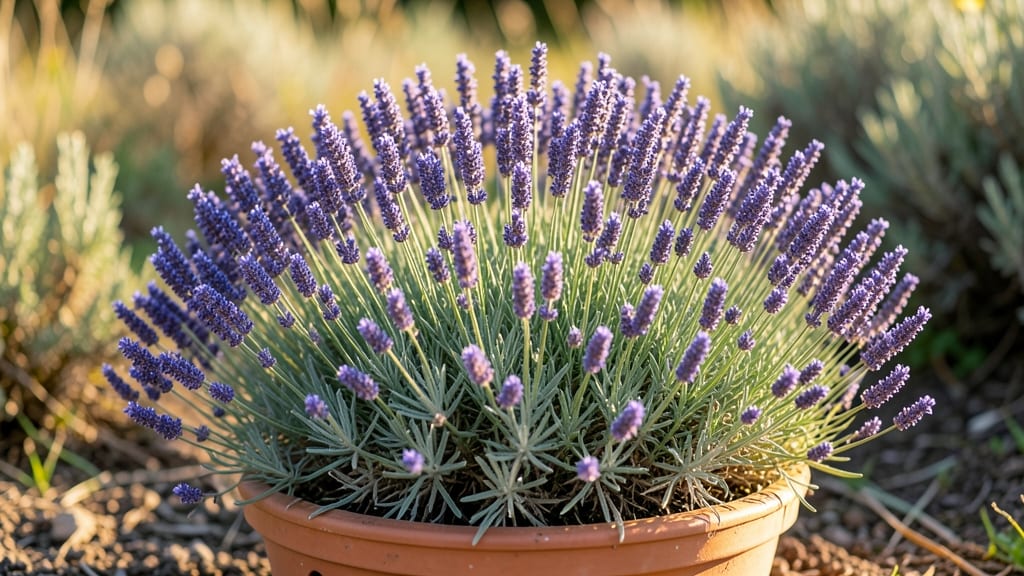
Lavender blooms during its flowering period in late spring through summer 🌿 — but timing can shift dramatically depending on where you live and how you care for it.
If you’ve ever dreamed of a fragrant lavender garden in full bloom, timing is everything—miss the flowering window, and you’ll be left with just green stems. But how do you know exactly when your lavender will burst into color?
The answer depends on your hardiness zone, plant variety, and a few other key factors.
For most gardeners in Zone 6a, lavender typically flowers between June and August, but cooler climates can push blooms into July, while warmer zones may see flowers as early as May.
English lavender often blooms later than French or Spanish varieties, and proper pruning can even stretch the season by a few weeks.
In this guide, you’ll learn the exact months your lavender will bloom based on your zone, how to encourage longer flowers, and what to do after the blooms fade to keep your plants healthy for next year.
Lavender flowering months by USDA hardiness Zone (exact timeline)
Timing your lavender blooms means knowing your USDA hardiness zone and variety—because a French lavender in Zone 7 won’t bloom the same as Spanish lavender in Zone 9.
Each zone and type has its own peak flowering window, and missing it means waiting another year for those fragrant purple spikes. Let’s break down the exact months for Zones 5 through 9, including early, mid, and late-season bloomers.
First, understand that English lavender (like 'Munstead') tends to bloom earlier than French lavender (like 'Grosso'), while Spanish lavender (like 'Papillon') often flowers later. Your zone also shifts these timelines—cooler zones delay blooms, while warmer zones push them earlier.
For example, in Zone 5, expect blooms in late June to early July, while Zone 9 lavender may start as early as March or April.
Here’s the zone-by-zone breakdown of lavender flowering periods, including adjustments for early, mid, and late-season varieties:
If you’re in Zone 5 or 6, focus on English lavender for early blooms—it’s your best bet for July color. Meanwhile, French lavender in Zone 7 can stretch its blooms into August with light pruning after the first flush.
For Zones 8 and 9, Spanish lavender steals the show with spring blooms, often starting as early as March.
Pro tip: Adjust for microclimates. A south-facing slope in Zone 6 might push blooms into late June, while a shady spot could delay them by 2-3 weeks.
Always plant lavender where it gets at least 6 hours of sun—less light means fewer blooms. Also, well-draining soil is non-negotiable; soggy roots = no flowers.
For reblooming varieties, like 'Provence' French lavender, deadhead spent blooms in early July to encourage a second flush by late summer. In Zones 8-9, you might even see winter blooms if temperatures stay mild.
Just avoid heavy pruning—lavender flowers on new wood, so prune lightly after blooming to shape the plant.
Watch for bud drop in hot zones—it’s a sign your lavender is stressed from heat or drought. Increase water slightly (but don’t overdo it) and provide afternoon shade during heatwaves. In cooler zones, mulch around the base in early spring to warm the soil faster and kickstart blooming.
Finally, harvest at peak bloom for the best fragrance and oil content. In Zone 5, that’s mid-July; in Zone
How to extend your lavender’s blooming season (proven tips)
Lavender’s natural flowering period is typically short—just a few weeks—but with the right care, you can stretch those fragrant blooms for months. The key lies in understanding your plant’s needs and making small adjustments to its environment.
I’ve found that pruning strategies, watering discipline, and soil optimization can transform a brief burst of color into a prolonged display. Let’s dive into the proven techniques that work in my garden and yours.
First, recognize that lavender is a drought-tolerant perennial that thrives on neglect, not coddling. Overwatering or rich soil can actually shorten its bloom time by encouraging leafy growth over flowers. Instead, focus on creating conditions that mimic its Mediterranean homeland—well-draining soil, intense sunlight, and minimal interference.
These simple tweaks can delay dormancy and stimulate reblooming, giving you that dreamy lavender scent for longer.
🌿 Proven Tips to Extend Lavender Blooms
- 1. Strategic Pruning: Cut back one-third of stems right after the first bloom cycle in late spring. Avoid heavy pruning in fall—this encourages new growth that won’t harden off before winter.
- 2. Water Wisely: Water deeply but infrequently—once every 10-14 days in summer. Overwatering stresses plants and reduces blooms. Let soil dry completely between waterings.
- 3. Optimize Sunlight: Ensure 6+ hours of direct sun daily. Partial shade can weaken stems and shorten bloom time. South-facing spots are ideal in northern climates.
- 4. Soil Amendments: Mix gravel or sand into heavy soil to improve drainage. Avoid compost-heavy soil—it promotes leafy growth over flowers.
- 5. Fertilize Sparingly: Use a low-nitrogen fertilizer (5-10-10) in early spring only. Too much nitrogen = fewer blooms. Skip fertilizing in summer.
- 6. Deadhead Strategically: Remove spent blooms after they fade to encourage new flower buds. Avoid cutting into woody stems—this weakens the plant.
One of my favorite tricks is harvesting lavender early in the morning when buds are just opening. This not only preserves fragrance but also stimulates the plant to produce more buds.
Just be sure to cut stems at a 45-degree angle to prevent water from pooling on the stem, which can cause rot. I’ve seen this simple habit extend my lavender’s bloom time by 3-4 weeks in my Zone 7 garden.
For those in cooler climates (Zones 5-6), consider mulching with gravel instead of organic matter. Organic mulch retains too much moisture and can encourage fungal issues. Gravel mimics the dry conditions lavender loves and helps regulate soil temperature.
I’ve noticed my English lavender in Zone 5 blooms 2 weeks later when using gravel mulch compared to traditional wood chips.
Finally, don’t forget that variety matters. French lavender (like ‘Grosso’) tends to rebloom more reliably than English varieties. If you’re after a longer display, choose reblooming cultivars like ‘Provence’ or ‘Kew Red’.
Pair these with proper care, and you’ll enjoy those violet spikes from early summer well into fall. 🌼