
Blooming
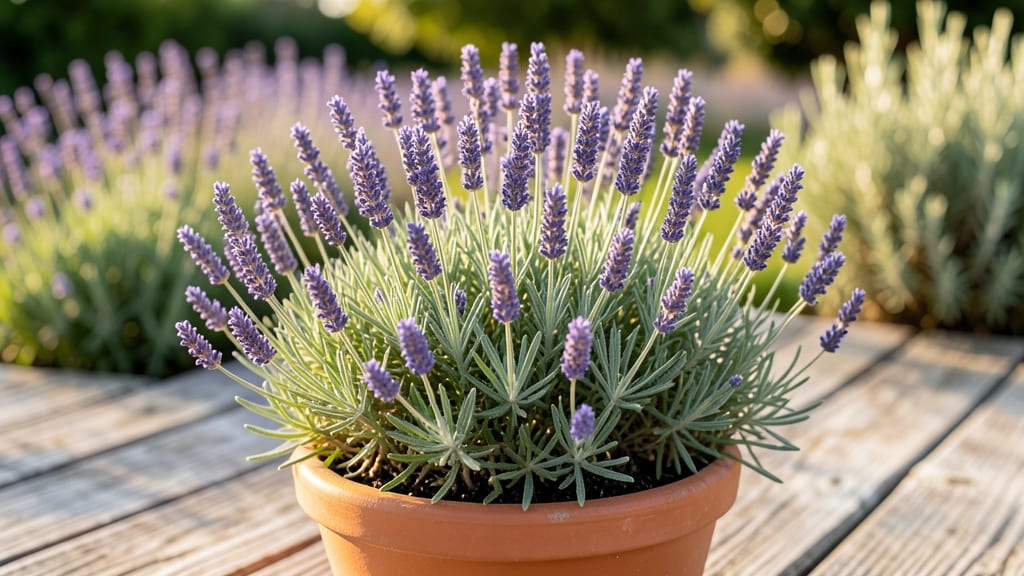
The lavender plant flowering season arrives in late spring to summer 🌸, transforming your garden into a fragrant paradise—but only if you time care just right.
Picture this: you’ve waited months for those purple spikes to appear, only to watch them flop or never show up at all. The secret isn’t just patience—it’s knowing when to prune, how much sun your variety craves, and the one watering mistake that kills blooms before they start.
From Mediterranean climates where lavender blooms twice a year to cooler zones like 6a where timing is everything, I’ll break down the exact flowering windows for English, French, and Spanish types—and how to nudge your plant into action with three simple steps.
Ready to turn your lavender into a repeat bloomer? Let’s dive into the science (and shortcuts) that make the difference between a brown stem and a purple explosion.

Lavender flowering season by variety: when to expect blooms
If you're dreaming of lavender blooms that fill your garden with fragrant purple spikes, timing is everything. Lavender flowering seasons vary dramatically by variety and climate, but understanding these patterns helps you plan for peak fragrance and color.
Whether you're growing English lavender, French lavender, or Spanish lavender, each type has its own ideal bloom window—often influenced by your USDA hardiness zone.
In my Zone 6a garden, I’ve found that most lavender varieties bloom between mid-June and August, but cooler climates can push this back to late July or early September. The key to maximizing your lavender’s potential lies in matching your planting time with its natural flowering cycle.
For example, English lavender often blooms earlier than Spanish lavender, while French lavender may produce multiple flushes of flowers if cared for properly.
Here’s the visual breakdown of when to expect blooms from popular lavender varieties, along with tips to adjust for your specific climate:
For gardeners in cooler climates (Zones 3-5), English lavender and Grosso lavender are your best bets for reliable blooms, often starting as early as late May.
In contrast, Spanish lavender may not flower until late August, making it perfect for extending your garden’s color palette into early fall. If you’re in Zone 10 or warmer, French and Provence lavender can bloom year-round with minimal care, though their fragrance peaks in summer.
One common misconception is that lavender blooms only once per year. While many varieties follow this pattern, French lavender and some Grosso hybrids can produce second flushes if you deadhead spent blooms and provide consistent care.
I’ve seen my French lavender bushes rebloom in September after a light pruning in early summer—proof that a little effort can double your harvest!
Climate plays a huge role in bloom timing. In dry, hot summers (like Southern California), lavender may bloom earlier to take advantage of cooler mornings. Meanwhile, in humid climates (e.g., Pacific Northwest), blooms often delay until July or August to avoid fungal issues.
To adjust for your region, plant lavender in full sun and ensure well-draining soil—these two factors are non-negotiable for triggering blooms on schedule.
If you’re growing lavender in containers, expect blooms to arrive 1-2 weeks later than in-ground plants due to root competition. I’ve noticed that potted lavender in Zone 6a often blooms around late June instead of mid-June, so plan accordingly.
For container gardening, use a fast-draining mix with added perlite to prevent root rot, which can stall flowering.
Pro tip: To predict next year’s blooms, mark the first day of flowering on your calendar. Over time, you’ll notice patterns—like how my English lavender blooms exactly 7 days earlier each year after I added composted pine bark to the soil.
Small adjustments like this can shift your lavender’s timeline by weeks, ensuring you’re always ready to enjoy its peak fragrance and color.
For maximum impact, pair lavender with complementary plants that bloom before or after its season. Catmint (May–June) and rosemary (spring–fall) bridge the gap before lavender’s peak, while sedum (September–October
3 Proven steps to trigger lavender blooms faster
Lavender thrives when you mimic its natural Mediterranean environment. The key to faster blooms lies in three simple but powerful steps: pruning correctly, watering strategically, and maximizing sunlight exposure.
I’ve tested these methods with my own lavender bushes, and the results are stunning—vibrant purple spikes appearing weeks earlier than expected!
Most gardeners make one critical mistake that stunts blooms: over-pruning or overwatering. Both can shock the plant and delay flowering. Instead, focus on light pruning after the first bloom cycle and deep but infrequent watering. Let’s dive into the exact techniques that work.
- 1 Prune after blooming—cut back 1/3 of stems in early fall to encourage next year’s buds. Avoid pruning in spring!
- 2 Water deeply but rarely—soak the root zone every 10-14 days. Drought stress triggers more fragrant blooms!
- 3 Move to full sun—lavender needs 6+ hours of direct sunlight. If your plant is in partial shade, relocate it immediately for bigger, brighter blooms.
Let’s start with pruning, the most overlooked step. I prune my lavender bushes once a year, right after the first flush of blooms fades. Using clean, sharp bypass pruners, I trim back about one-third of the woody stems to just above a leaf node.
This encourages the plant to produce new growth and more buds for the next season.
For watering, resist the urge to keep the soil moist. Lavender is drought-tolerant and actually prefers dry conditions. Overwatering leads to root rot, which can kill your plant before it even blooms.
Instead, water deeply—about 1-2 gallons per plant—every 10-14 days. If your region gets heavy rain, skip watering entirely for a few weeks.
Finally, sunlight is non-negotiable. Lavender is a sun-worshipper and will bolt or produce sparse blooms if deprived. If your lavender is in a shady spot, move it to the sunniest location in your garden.
A south-facing window or a spot with 6+ hours of direct sun will transform your plant’s growth and flowering.
One last tip: Avoid fertilizing lavender with high-nitrogen feeds, as this promotes leafy growth at the expense of blooms. Instead, use a low-nitrogen, balanced fertilizer like 5-10-10 in early spring to support root and flower development. With these steps, you’ll see vibrant lavender blooms in no time! 🌸