
Planting
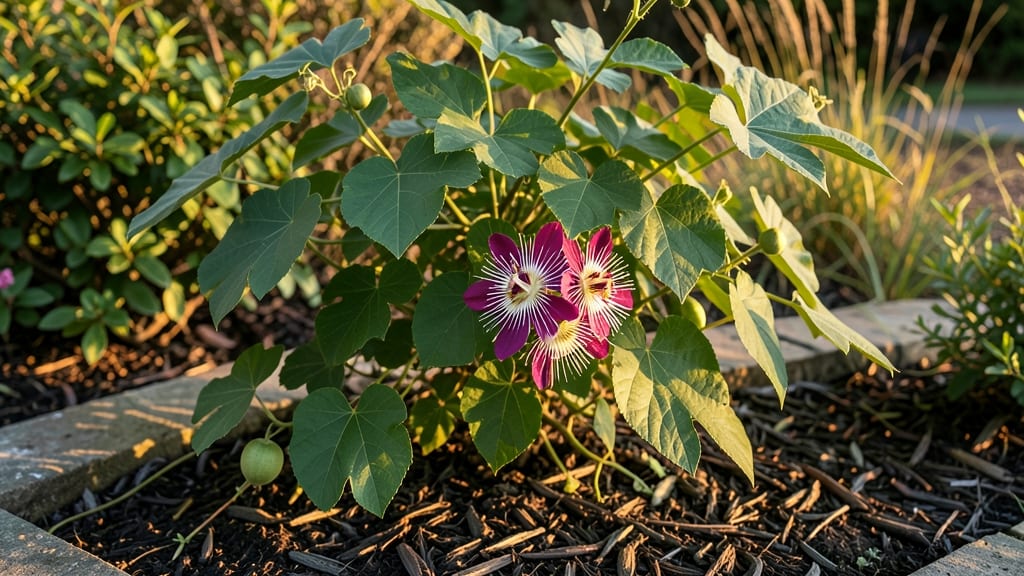
Growing passion flowers in the right hardiness zones is the difference between a thriving vine 🌺 and a frost-killed disappointment.
If you’ve ever dreamed of growing passion flowers but worried about freezing winters, knowing their exact hardiness zones is the key to success—here’s where they thrive (and where they’ll freeze without protection).
Most passion flowers, like the hardy Passiflora incarnata, handle USDA zones 6-9, but tropical varieties like Passiflora edulis need zones 10-11 or winter protection. A quick check of your zone number could save your plants from a 30°F wipeout.
Below, I’ll break down the exact zones for popular varieties, cold protection tricks for marginal climates, and how to spot the hardiest types for your region—so you can grow passion flowers year after year.
Passion flower hardiness zones: USDA map breakdown by variety
Passion flowers (Passiflora spp.) are stunning vines with edible fruit and exotic blooms, but their cold tolerance varies dramatically between varieties. Understanding USDA hardiness zones helps you choose the right type for your climate—whether you're in a mild coastal region or a freezing northern state.
Some varieties survive Zone 5 winters with protection, while others need tropical Zone 11 warmth to thrive.
The key difference lies in their origin: temperate passion flowers (like Passiflora incarnata) handle frost, while tropical varieties (like Passiflora edulis) will die in Zone 8 frost. Let’s break down the exact zone ranges for your top choices, including their frost limits and growing habits.
📌 PRO TIP: Always check your microclimate—a sheltered garden spot can add 1-3 zones of warmth compared to open areas.
If you live in USDA Zone 6 or colder, focus on Passiflora incarnata or caerulea—these are your best bets for perennial growth. In Zones 7–8, you can experiment with semi-hardy hybrids like 'Constance Elliott' (a caerulea cultivar) that tolerate brief frost dips.
Meanwhile, gardeners in Zones 9–11 have the widest variety, including fruit-bearing types like Passiflora edulis.
Tropical varieties (Zones 9+) often die back to the ground in winter but regrow from roots if protected.
In Zone 8, expect leaf scorch below 28°F (-2°C), while Zone 7 gardeners should mulch heavily or plant near south-facing walls for extra warmth. Zone 6 and below requires winter cutting back or container growing to survive.
⚠️ WARNING: Even "hardy" passion flowers can suffer crown rot if soil stays soggy during winter thaw. Always plant on slopes or raised beds for drainage.
For Zone 5 gardeners, consider Passiflora incarnata as a short-lived perennial—it may die in harsh winters but often self-seeds in spring. Alternatively, grow caerulea in large containers and move them indoors before frost. In Zone 4
How to grow passion flowers outside their native zones: cold protection tips
Passion flowers (Passiflora spp.) love warmth but can survive in cooler zones with smart protection. In their native tropical climates, they thrive year-round, but in USDA zones 6-8, they need extra care to survive winter.
The key is understanding their cold tolerance limits—most varieties die back to the ground when temperatures drop below 20°F (-7°C), but with the right strategies, you can push their limits.
For gardeners in USDA zones 5-6, container growing or microclimate selection becomes essential. Even in zone 7, late frosts can damage new growth, so protecting young plants is critical.
The good news? With mulching, winter pruning, and container flexibility, you can grow passion flowers successfully in areas where they’d normally struggle.
⚠️ callout-warning
Most Passiflora species (except Passiflora caerulea) die when temps hit 15°F (-9°C). Even USDA zone 7 gardeners risk damage during hard freezes. Zone 6 growers must use containers or row covers. Zone 5 is only possible with winter protection or greenhouse growing.
💡 Pro Tip: Test your microclimate—south-facing walls or slopes can add 5-10°F of warmth!
Start with mulching—a thick layer (4-6 inches) of straw or shredded leaves insulates roots and retains moisture. For in-ground plants, apply mulch in late fall after the first frost. In containers, use insulated pots or wrap them in bubble wrap and move them to a sheltered spot.
I’ve had success with Passiflora incarnata in zone 6 by overwintering pots in an unheated garage with just a light frost cloth for extra insulation.
Winter pruning is another game-changer. After the first frost, cut back dead or damaged vines to 6-12 inches above the ground. This reduces winter dieback and encourages stronger regrowth in spring. For container-grown plants, prune even more aggressively—down to 3-4 inches—since they’re more vulnerable to cold stress.
In zone 7, I prune my Passiflora edulis in early winter to prevent wind damage from heavy vines.
Microclimates can make or break your passion flower’s survival. Plant near south-facing walls, fences, or greenhouses where heat radiates back to the plant. Even a small raised bed with black landscape fabric can raise soil temps by 5-8°F.
I’ve grown Passiflora caerulea (the hardiest variety) in zone 5 by placing it against a brick wall—it survived winters with temps down to 10°F (-12°C).
For the most cold-hardy varieties, Passiflora caerulea (blue passionflower) is your best bet—it tolerates down to 0°F (-18°C) with proper protection. Passiflora incarnata (maypop) can handle 10°F (-12°C) but needs mulch and pruning. Avoid tropical varieties like Passiflora edulis unless you’re in zone 8+ or using containers with winter care.