
Planting
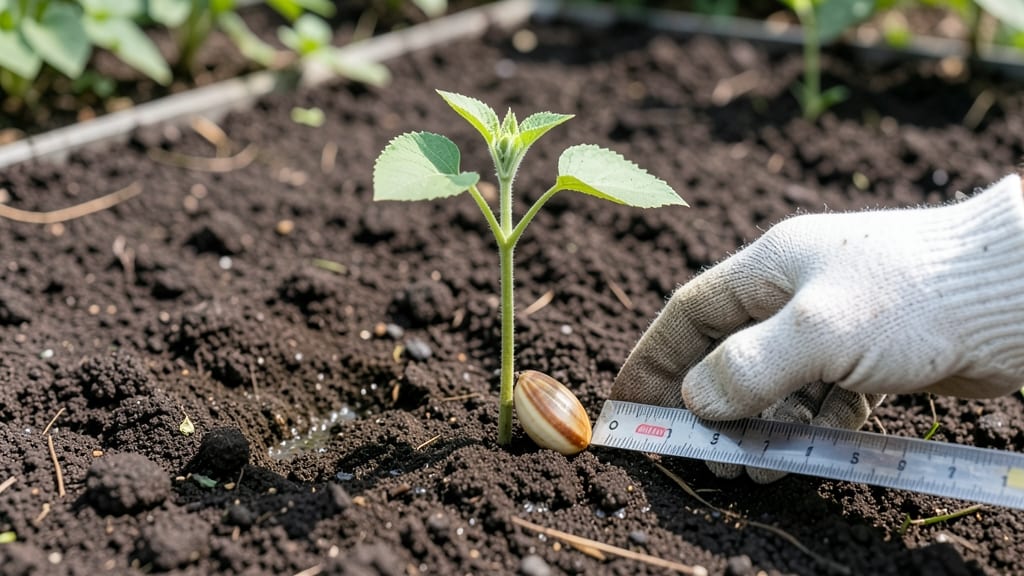
Planting sunflower seeds at the right depth—1 to 2 inches below soil—is the secret to strong stems and towering blooms that reach for the sky 🌻.
Too shallow, and your seedlings struggle to push through; too deep, and they rot before they even sprout. I’ve seen both mistakes firsthand—one batch leaned like drunkards, the other never emerged at all.
This guide cuts through the guesswork with exact measurements, soil prep tips, and spacing tricks to give your sunflowers the sturdy start they deserve. Whether you’re working with sandy loam or heavy clay, we’ve got you covered.
You’ll learn how to adjust depth for different seed types, avoid common pitfalls, and even speed up germination with pro techniques. Let’s get those seeds in the ground the right way.

Optimal sunflower seed planting depth by seed type and soil conditions
Getting the planting depth right for sunflower seeds is crucial—too shallow, and they won’t anchor properly; too deep, and they may rot before sprouting. The ideal planting depth for sunflower seeds is between 1 to 2 inches, but this varies based on seed size, soil type, and climate.
Let’s break down the specifics to ensure your sunflowers grow strong and healthy from the start.
Sunflower seeds come in different sizes, from tiny dwarf varieties to large giant sunflower seeds. Smaller seeds (like those from dwarf varieties) should be planted 1 inch deep, while larger seeds (from standard or giant varieties) can handle a 2-inch depth.
This ensures the seed has enough soil contact for moisture while avoiding suffocation.
Soil texture plays a huge role in determining the right depth. In sandy soil, which drains quickly, plant seeds closer to 1 inch deep to keep moisture near the seed.
In clay soil, which holds moisture longer, you can plant slightly deeper—up to 2 inches—to prevent the seed from drying out too fast.
Climate also affects planting depth. In hot, dry climates, planting slightly deeper (up to 2 inches) helps retain moisture. In cooler, wetter regions, stick to 1 inch to avoid rot. Always adjust based on your local weather patterns to give your sunflowers the best start.
| Seed Type | Soil Type | Optimal Depth (inches) | Climate Adjustment |
|---|---|---|---|
| Dwarf Varieties | Sandy | 1 inch | Hot/Dry: 1-1.5" |
| Standard Varieties | Loamy | 1.5 inches | Moderate: 1-2" |
| Giant Varieties | Clay | 2 inches | Cool/Wet: 1 inch |
| All Types | Well-Draining | 1-2 inches | Average: 1.5" |
Before planting, prepare your soil by loosening it to a depth of 4-6 inches to encourage root growth. Mix in compost or aged manure to improve drainage and fertility. If your soil is compacted, consider adding perlite or sand to help roots penetrate more easily, especially in clay-heavy areas.
After planting, gently firm the soil around the seeds to eliminate air pockets, which can cause uneven germination. Water lightly to settle the soil without displacing the seeds.
Keep the soil consistently moist but not soggy—sunflower seeds need even moisture to sprout successfully, especially in the first 7-10 days after planting.
One common mistake is planting seeds too deep in heavy clay soil, which can lead to rot or weak stems. Conversely, planting too shallow in sandy soil may cause seeds to dry out before germinating.
Always use a seed depth marker (like a small stick or ruler) to ensure consistency, especially if you’re planting multiple rows.
For container gardening, use a well-draining potting mix and plant seeds 1 inch deep, regardless of variety. Containers dry out faster, so monitor moisture closely and water every 2-3 days until seedlings emerge.
Once your sunflowers sprout, thin them to 6-12 inches apart to give each plant room to grow strong and tall.
If you’re planting in late spring or early summer, consider using shade cloth for the first week to protect young seedlings from intense heat. Sunflowers love sunlight, but young plants can scorch in extreme conditions.
Once they’ve developed 2-3 true leaves, remove the shade cloth and let them bask in full sun.
With the right planting depth and soil conditions, your sunflowers will germinate quickly and grow into those towering, cheerful giants you’ve dreamed of. Pay attention to your soil type and climate, and don’t hesitate to adjust depths slightly based on what you observe in your garden.
Common mistakes that stunt sunflower growth (and how to fix them)
Sunflowers are resilient, but even these hardy plants can struggle when planted incorrectly. One of the most common issues I see in gardens is planting sunflower seeds too deep.
While they need moisture to germinate, burying them deeper than 1-2 inches can suffocate the seedling before it breaks through the soil surface.
Another frequent mistake is overwatering right after planting. Sunflower seeds need consistent moisture, but soggy soil can cause rot. I’ve seen entire rows of seedlings fail because gardeners assumed "more water = better growth." Let the soil stay evenly moist but not waterlogged during germination.
Here’s the critical issue: hardpan layers in compacted soil. If your garden has a dense, clay-heavy subsoil, sunflower roots may struggle to penetrate, leading to weak stems and stunted growth. This is especially common in urban gardens with heavy foot traffic or recently tilled areas.
⚠️ Planting Depth Warning: Sunflower Seeds
Problem: Planting sunflower seeds deeper than 2 inches risks seed rot or weak germination. Shallow planting (less than ½ inch) exposes seeds to drying out before sprouting.
Solution: Aim for 1 inch deep in loose soil. For clay-heavy soil, loosen the top 3 inches first. If seeds are large and hard-coated, lightly scratch the shell with sandpaper to help moisture penetrate.
Let’s talk about seed scarification, a trick I use for stubborn sunflower varieties. If your seeds aren’t sprouting within 7-10 days, the tough outer shell might be blocking water absorption. Rub the seed gently with fine-grit sandpaper or soak in warm water for 24 hours before planting.
Finally, crowding seedlings is another silent growth killer. While sunflowers can handle 6-12 inches of spacing at maturity, overcrowded seedlings compete for nutrients and sunlight. Thin them to 12 inches apart once they reach 4-6 inches tall to give each plant room to thrive.
Fix these issues early, and you’ll see taller stems, bigger blooms, and healthier sunflowers all season long. Start with the right planting depth, and your sunflowers will reward you with vibrant, sun-soaked beauty from summer to fall. 🌻