
Flowers
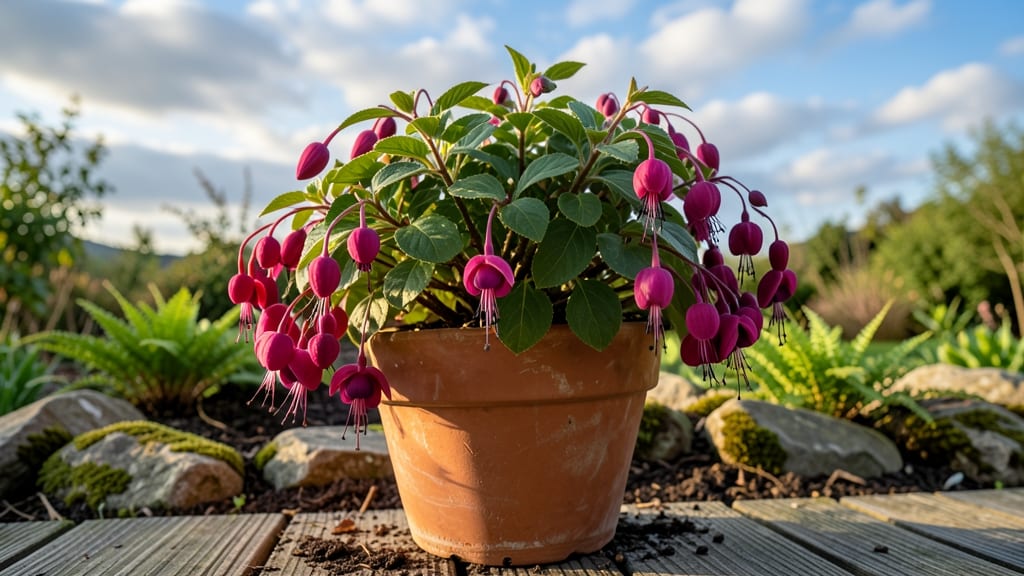
Purple fuchsia flowers 🌸 bring a bold splash of color that transforms any garden into a hummingbird haven, especially when planted strategically.
Imagine a garden bursting with vibrant purple fuchsia flowers that hummingbirds can’t resist—year after year, even in cooler climates. These striking blooms aren’t just beautiful; they’re a gardener’s secret weapon for attracting pollinators while adding dramatic flair to any outdoor space.
Whether you’re designing a cottage garden, a modern container display, or a wildflower meadow, purple fuchsias create stunning contrast with greenery and other blooms. Their trailing varieties spill over hanging baskets, while upright types make eye-catching borders or focal points.
From late spring through summer, these flowers deliver continuous color—pair them with salvias, lavender, or white impatiens for a showstopping combo. Below, I’ll share the best varieties, placement tips, and how to keep them blooming all season long.
Why purple fuchsia flowers are a hummingbird magnet
There’s nothing quite like watching hummingbirds dart between purple fuchsia flowers, their iridescent feathers catching the sunlight as they sip nectar. These stunning blooms aren’t just a gardener’s dream—they’re nature’s perfect pollinator magnet.
The science behind their appeal lies in a combination of tubular flower shapes, high nectar production, and a color spectrum that hummingbirds find irresistible. Purple varieties, in particular, stand out because their deep hues contrast sharply against green foliage, making them easy targets for these tiny, energetic birds.
Hummingbirds rely on bright, tubular flowers that provide easy access to nectar while conserving energy. Fuchsias deliver on both counts: their pendulous blooms (hanging downward) are perfectly designed for a hummingbird’s long beak, while their high sugar content makes every visit worth their while.
What’s more, purple fuchsias often bloom continuously from late spring through fall, offering a steady food source when other flowers fade. This reliability turns your garden into a year-round hummingbird buffet.
But why purple? While fuchsias come in shades of pink, red, and white, purple varieties have a unique advantage. Studies show that ultraviolet patterns in purple flowers (invisible to humans but visible to hummingbirds) guide them toward the nectar.
These patterns act like neon signs, ensuring pollinators zero in on your fuchsias first. Plus, the color intensity of purple blooms creates a striking contrast against the garden backdrop, making them impossible to ignore for both birds and humans alike.
The tubular shape of fuchsia flowers is another key factor. Hummingbirds have evolved to feed from flowers with long, narrow corollas, which protect nectar from rain and other pollinators. Fuchsias’ 3-4 inch hanging blooms fit this bill perfectly, allowing hummingbirds to hover effortlessly while extracting every drop.
This adaptation isn’t just convenient—it’s a co-evolutionary relationship that benefits both the plant and pollinator. As hummingbirds feed, they transfer pollen from flower to flower, ensuring your fuchsias (and nearby plants) thrive.
Seasonal blooming patterns also play a crucial role. Unlike many annuals that fade after one season, perennial fuchsia varieties (like 'Giant Maroon' or 'Lady Jane') rebloom year after year, provided they’re given the right care.
This consistency means hummingbirds can rely on your garden as a reliable food source, especially during migration seasons when they need to fuel up for long journeys. Planting purple fuchsias in clusters or near feeding stations amplifies their appeal, creating a visual and olfactory beacon that hummingbirds can’t resist.
Here’s how these factors come together in a hummingbird-friendly garden:
Color intensity isn’t just about aesthetics—it’s a strategic pollinator tool. Hummingbirds are drawn to bright, saturated hues, and purple fuchsias deliver in spades. The deeper the color, the more noticeable the flower becomes against the garden’s green backdrop.
This is why dark purple varieties like 'Giant Maroon' often outperform lighter shades in attracting hummingbirds. To maximize their appeal, avoid placing them in shady spots where colors fade. Instead, position them where they’ll receive morning sunlight, which enhances their vibrancy and makes them even more irresistible to pollinators.
Creating a hummingbird haven with purple fuchsias is simpler than you might think. Start by choosing trailing or bushy varieties that cascade beautifully in hanging baskets or spill over garden edges. Combine them with native plants like bee balm or cardinal flower to create a diverse pollinator menu.
Add a shallow water source (like a birdbath with pebbles) nearby, and you’ll have a complete ecosystem that hummingbirds will return to season after season. The key is to think like a hummingbird: provide food, water, and safe perching spots, and they’ll do the rest.
One of the most rewarding aspects of growing purple fuchsias is watching hummingbirds defend their territory around your plants. Males, in particular, are territorial and will chase off intruders to protect their favorite nectar sources.
This behavior isn’t just entertaining—it’s a sign that your garden is thriving as a pollinator hotspot. To encourage this activity, avoid using pesticides near your fuchsias, as these can harm hummingbirds and other beneficial insects.
Instead, opt for organic pest control methods like neem oil or companion planting with marigolds or basil to keep pests at bay.
So, if you’re ready to transform your garden into a hummingbird hotspot, purple fuchsias are the perfect place to start. Their science-backed appeal, combined with their stunning visual impact, makes them a no-brainer
Best purple fuchsia varieties for year-round blooms
When it comes to purple fuchsia flowers, not all varieties deliver the same year-round blooms or hardiness. Some thrive in containers, while others excel in garden beds. The right choice depends on your climate, space, and how much maintenance you’re willing to invest.
I’ve grown these stunning plants for years, and these top purple fuchsia varieties consistently deliver the most dramatic results.
For long-lasting color, you’ll want to focus on cultivars that bloom continuously from spring through fall—and some even surprise you with winter blooms in mild climates. The key is selecting disease-resistant varieties that handle humidity and pests like aphids and spider mites with ease.
Let’s dive into the best purple fuchsias that will keep your garden buzzing with hummingbirds all season long.
'Giant Maroon' is my go-to for bold, deep purple blooms that hummingbirds adore. This variety produces large, velvety flowers with striking red-and-purple contrasts, and it blooms nonstop from spring until frost. It’s perfect for garden beds or large containers because it grows up to 3 feet tall with trailing habits. Just watch for aphids—they love this variety too!
If you’re after trailing purple fuchsias for hanging baskets, 'Lady Jane' is a showstopper. Its delicate, magenta-purple blooms cascade beautifully, creating a waterfall effect that’s perfect for patios or balcony gardens.
This variety is highly disease-resistant and thrives in partial shade, making it ideal for shadier spots where other fuchsias struggle. It’s also one of the few that can tolerate light frost if protected.
For compact growth and prolonged blooming, 'Precious Gem' is a hidden gem. This dwarf variety stays under 2 feet tall, making it perfect for small containers or window boxes.
Its bright purple flowers with yellow centers attract hummingbirds relentlessly, and it blooms from early summer until the first frost. It’s also less prone to pests than other varieties, which is a huge plus for busy gardeners.
Don’t overlook 'Thunderchild' if you want dark, almost black-purple blooms that create a dramatic contrast. This variety is heat-tolerant and drought-resistant once established, making it a great choice for hotter climates or low-maintenance gardens.
It grows well in garden beds or large pots and produces abundant blooms from summer through fall. Just ensure it gets morning sun to prevent leaf scorch.
To maximize your year-round blooms, I recommend deadheading spent flowers regularly and fertilizing every 4-6 weeks during the growing season. Most purple fuchsias prefer well-draining, slightly acidic soil and partial shade, but 'Thunderchild' is the exception—it handles more sun.
With the right variety and care, your garden will be a hummingbird haven filled with vibrant purple fuchsia flowers all season long. 🌷