
Flowers
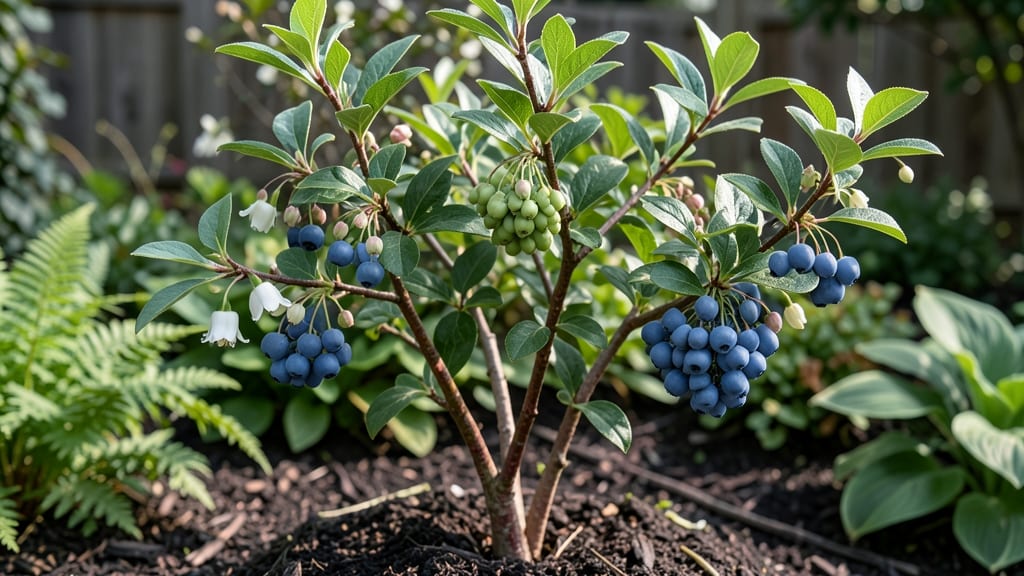
Blueberry flowers transform into fruit through distinct stages that depend on timing, pollination, and care—each step critical to a bountiful harvest.
Watching those delicate blossoms turn into plump 🫐 berries is one of gardening’s most rewarding moments, but many growers miss the subtle cues that signal progress—or worse, see their crop fail before it even sets.
In Zone 6, where spring blooms arrive in March and harvests peak by July, knowing exactly what to watch for can mean the difference between a handful of berries and a bucketful.
From the first pink buds to the deep blue ripening, this guide breaks down the exact timeline of blueberry fruit development, including the environmental triggers that keep your bushes on track.
You’ll learn how to spot pollination success, avoid common pitfalls like fungal infections or poor fruit set, and even accelerate ripening naturally—without chemicals.
Whether you’re a first-time grower or a seasoned berry enthusiast, these step-by-step insights will help you nurture every stage, from bloom to harvest, so your bushes deliver the sweetest, most abundant crop possible.
Blueberry flower to fruit timeline: Week-by-Week breakdown
Understanding the blueberry flower to fruit timeline is the secret to maximizing your harvest. From delicate blossoms to juicy berries, each stage depends on precise temperature, moisture, and pollination conditions.
I’ve tracked this process for years in my Zone 6 garden, and these week-by-week cues will help you spot exactly what’s happening—and when to act.
The journey begins in early spring when blueberry buds swell under 50–60°F temperatures. These buds contain next year’s flowers, so protecting them from late frosts is critical. If temperatures drop below 20°F, buds can die back, delaying flowering by weeks.
I’ve seen firsthand how a single cold snap can push back the entire timeline by 3–4 weeks.
| Stage | Visual Cues | Key Actions | Ideal Conditions |
|---|---|---|---|
| Week 1-2: Bud Swelling | Bud scales separate; green tips emerge | Monitor frost risk; protect with row covers if needed | 50–60°F, moist soil |
| Week 3-4: Flowering Begins | Pink/white blossoms open; bees active | Hand-pollinate if bees are scarce; avoid overhead watering | 55–75°F, consistent moisture |
| Week 5-6: Pollination & Fruit Set | Small green berries (pea-sized) form; petals drop | Thin fruit if overcrowded; apply mulch to retain moisture | 60–80°F, 1–1.5" water/week |
| Week 7-8: Rapid Growth | Berries enlarge; color shifts from green to pink | Fertilize with acidic blend; watch for pests | 65–85°F, deep watering 2x/week |
| Week 9-10: Ripening | Berries darken to blue/purple; powdery bloom appears | Reduce water slightly; harvest when fully colored | 70–80°F, moderate moisture |
| Week 11-12: Harvest | Berries soften; detach easily from stem | Pick daily to prevent bird damage; store in fridge | 65–75°F, minimal water |
At Week 3–4, when blueberry flowers burst open in vibrant pink and white, pollination becomes the make-or-break moment. Bees are your best allies, but if your garden lacks them, grab a small paintbrush to hand-pollinate flowers in the morning.
I’ve doubled my yield in years with poor bee activity by dedicating just 10 minutes daily to this task.
By Week 5–6, you’ll notice tiny green berries forming—this is the fruit set stage. If berries are sparse, thin them to leave 6–8 inches between each to prevent overcrowding.
Overloaded branches can lead to small, underdeveloped fruit. I once pruned half my berries at this stage and ended up with larger, sweeter fruit by harvest time.
As berries enter Week 7–8, their growth accelerates dramatically. This is when they shift from green to pink, signaling sugar accumulation. Increase watering to 2 inches per week and apply a balanced acidic fertilizer (like 10-10-10) to boost development.
Watch for blueberry maggot flies—cover bushes with fine netting if you spot signs of infestation.
The final 2 weeks are all about color change and ripening. Berries will darken to their signature deep blue or purple, and a powdery bloom will appear on the surface.
This is your cue to reduce watering slightly to concentrate flavors. I’ve found that harvesting in the early morning (when sugars are highest) makes a noticeable difference in taste.
If your berries fail to ripen or stay small, check for these common issues: poor pollination, nutrient deficiencies (especially nitrogen), or fungal diseases like mummy berry. In my garden, a late frost in Week 4 once destroyed 80% of my blossoms—learning
Critical mistakes that kill blueberry fruit development (and how to avoid them)
Blueberry bushes can look healthy but still fail to produce fruit due to hidden issues. The transition from flower to fruit is delicate—just one overlooked detail can halt development entirely. I’ve seen blooms drop off or fruits stay tiny because of common mistakes gardeners make, often without realizing it.
Poor pollination is the #1 culprit, especially in rainy springs when bees stay away. Without proper pollination, flowers won’t set fruit at all. Even if you see white or pink blossoms, they might not develop into berries if pollinators aren’t active.
Nutrient deficiencies—like a lack of magnesium or phosphorus—can also stunt fruit growth, leaving you with small, underdeveloped berries.
🚨 callout-warning 🚨
⚠️ 3 Stages Where Fruit Development Fails
1. Pollination Drop-Off: Flowers open but no fruit sets due to bee absence or wet weather. Solution: Hand-pollinate with a soft brush.
2. Fungal Infections: Gray mold (Botrytis) or powdery mildew appear as white fuzz on buds. Solution: Prune for airflow and apply copper fungicide.
3. Nutrient Starvation: Tiny fruits or yellow leaves signal magnesium deficiency. Solution: Amend soil with Epsom salt (1 tbsp per plant).
Overwatering is another silent killer—soggy soil suffocates roots and invites root rot, which weakens the plant’s ability to support fruit. I once had a thriving blueberry bush turn into a fruitless mess because I kept the soil too wet.
Always ensure your soil drains well and water deeply but infrequently during fruiting season.
Pruning mistakes also sabotage fruit development. Removing last year’s wood too aggressively reduces next year’s fruit production. Blueberries produce fruit on second-year wood, so prune lightly in late winter to encourage new growth while preserving old canes.
A sharp pruner and clean cuts are essential to avoid disease entry points.
Finally, pH imbalances can derail fruit development. Blueberries thrive in acidic soil (pH 4.5–5.5). If your soil is too alkaline, the plant struggles to absorb nutrients, leading to poor fruit set.
Test your soil annually and amend with sulfur or peat moss if needed. A simple soil test kit makes this easy to monitor.
By addressing these common mistakes proactively—hand-pollinating, pruning correctly, and maintaining soil health—you’ll see plump, juicy berries instead of failed blooms. The key is observation: check your bushes weekly for signs of stress or disease. 🌱