
Flowers
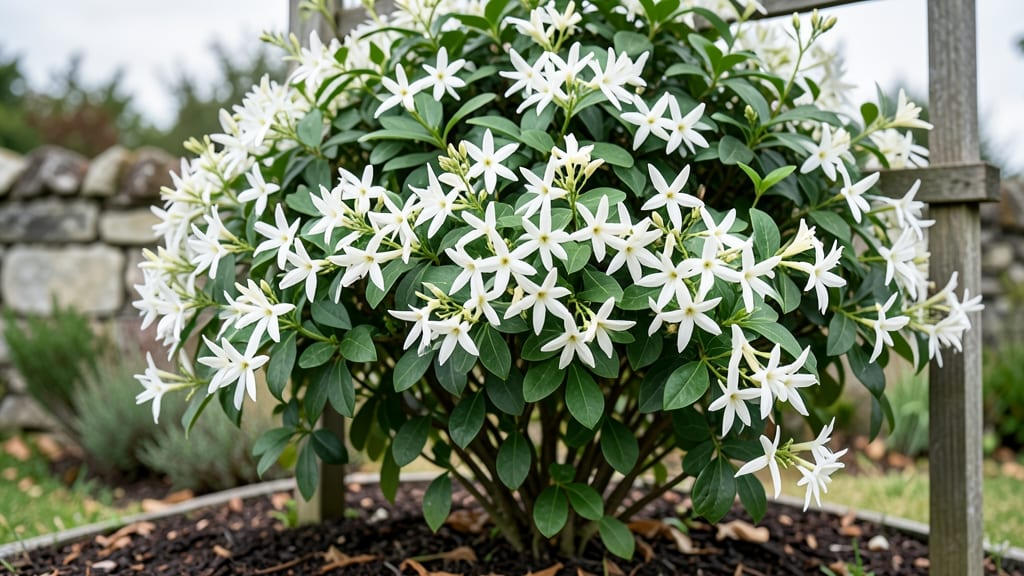
Star jasmine flowering season unfolds in late spring through summer 🌸, turning your garden into a fragrant haven when those white blooms burst open at dusk.
Imagine stepping into your garden at dusk, enveloped by the intoxicating sweetness of star jasmine—its fragrant white flowers lighting up the night. But when exactly does this magical flowering season begin, and how can you coax your plant into blooming earlier?
For most gardeners in USDA Zone 6a and warmer, the peak bloom window stretches from June through August, though cooler regions may see a delayed start.
The key to triggering those fragrant blooms lies in understanding your plant’s needs—whether it’s adjusting pruning times, feeding at the right moments, or giving it the perfect sunlight spot.
In this guide, I’ll break down the exact months your star jasmine will shine brightest, how climate affects timing, and the simple care tweaks that can turn a sparse vine into a fragrant explosion. Let’s make sure your plant doesn’t just survive the season—it steals the show.
Star jasmine flowering season: month-by-month timeline and climate dependencies
Star jasmine (Trachelospermum jasminoides) transforms your garden into a fragrant sanctuary, but its flowering timeline shifts dramatically depending on your USDA climate zone. In Zone 8, blooms typically arrive in late spring, while Zones 9-11 enjoy extended fragrance from summer to fall.
Understanding these patterns helps you plan for peak scent and adjust care routines accordingly.
For gardeners in cooler climates (Zones 8-9), star jasmine often begins flowering in May or June, reaching its peak fragrance by July. In warmer regions (Zones 10-11), blooming can start as early as April and continue through October.
These differences stem from temperature triggers—warmer winters delay dormancy, while cooler summers can shorten the bloom window.
| USDA Zone | Early Blooms | Peak Season | Late Blooms | Climate Notes |
|---|---|---|---|---|
| Zone 8 | Late May | June-July | Early August | Cool summers shorten bloom; prune after frost risk |
| Zone 9 | Early April | May-June | September | Mild winters extend blooming; watch for fungal risks |
| Zone 10 | March | April-July | October | Tropical conditions; blooms year-round with care |
| Zone 11 | February | March-September | November | Near-continuous blooms; prune lightly to maintain shape |
In Zone 8, where I garden, star jasmine's first buds appear when daytime temperatures consistently reach 70°F. This usually aligns with late May, but a warm April can trigger early blooms.
The peak fragrance occurs during June evenings—perfect for outdoor dining or patio relaxation. If your area experiences unseasonable heat waves in spring, blooms may arrive 2-3 weeks early.
Gardeners in Zone 9 often enjoy two bloom cycles: one in spring and another in fall. The spring flush begins in April, while the autumn rebloom peaks in September.
This pattern occurs because cooler nights stimulate flower production. To maximize fragrance, I recommend light pruning after the first bloom to encourage the second wave.
For Zones 10-11, star jasmine behaves almost like an ever-blooming vine, with new flowers appearing every 6-8 weeks. In Zone 10, the primary bloom spans April-July, while Zone 11 plants may show continuous blooms from February to November.
The key difference? Zone 11's lack of winter dormancy means year-round growth, but heavy pruning is needed to prevent legginess.
Regional microclimates also play a role. Coastal areas in Zone 9 may see earlier
How to trigger star jasmine blooms early: pruning, fertilizing, and light tricks
Star jasmine (Trachelospermum jasminoides) typically blooms in late spring to early summer, but with the right techniques, you can push those fragrant white flowers to appear weeks earlier.
The key lies in understanding how to manipulate its natural growth cycle through strategic pruning, nutrient timing, and light exposure adjustments. I’ve found that even a few simple tweaks can transform a late bloomer into an early fragrance machine for your garden.
One of the biggest mistakes gardeners make is waiting until after flowering to prune. Instead, prune in late winter or early spring—just as new growth begins—to encourage earlier bud formation. This hard pruning (cutting back up to one-third of the plant) stimulates fresh shoots that will flower sooner.
Pair this with the right fertilizer schedule, and you’ll see buds forming weeks ahead of schedule.
🌸 5 Proven Tricks to Trigger Early Star Jasmine Blooms
- 🌿 Prune aggressively in late winter (cut back 1/3 of growth) to force new, flowering shoots.
- ☀️ Maximize morning sunlight (6+ hours) by positioning trellises south-facing.
- 💧 Reduce watering in late summer to stress the plant slightly, triggering dormancy and bud formation.
- 🌱 Apply balanced fertilizer (10-10-10) in early spring (not fall) to fuel bloom production.
- ❄️ Mulch heavily in winter to protect roots and maintain consistent soil temps for early growth.
Light plays a crucial role in timing blooms. Star jasmine thrives in full sun (6+ hours daily), but if your plant is in partial shade, consider relocating it to a south-facing trellis or using a reflective surface (like white walls) to bounce extra light onto the foliage.
I’ve seen plants in shaded areas bloom 3-4 weeks later than those in optimal light conditions.
Fertilizing at the right time is just as critical. Avoid heavy feeding in late summer or fall, as this encourages leafy growth rather than flower buds. Instead, focus on a light application of balanced fertilizer in early spring (March-April) to jumpstart blooming.
For established plants, a monthly dose of fish emulsion during the growing season can also boost fragrance intensity.
Don’t overlook winter care—it sets the stage for early blooms. After the first frost, mulch around the base with 2-3 inches of organic matter (like shredded bark) to insulate roots.
This prevents temperature fluctuations that can delay spring growth. In USDA zones 8-10, where star jasmine is hardy, this simple step can advance flowering by 2-3 weeks.
For container-grown star jasmine, rotate pots weekly to ensure even light exposure, and use a well-draining soil mix with added compost. Overcrowded roots or soggy soil can stunt blooms, so prioritize aeration and nutrients.
With these adjustments, you’ll enjoy those intoxicating nighttime fragrances starting as early as late May instead of June.