
Blooming
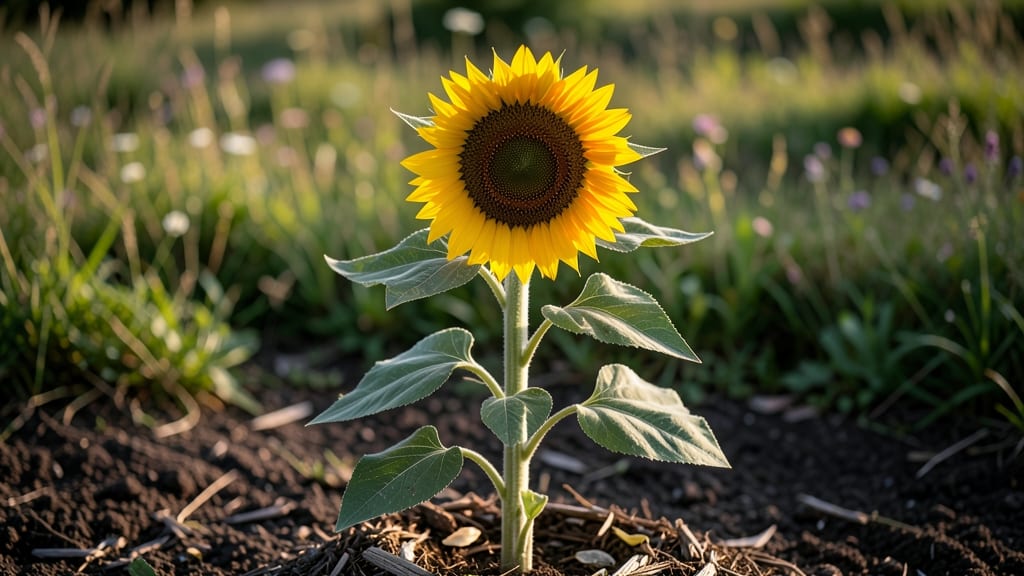
The sunflower season brings towering 🌻 blooms that turn summer landscapes into golden masterpieces—if you time your planting right.
Picture this: a field of sunflowers swaying in the breeze, their faces tracking the sun like tiny solar panels. But here’s the catch—miss the planting window, and you might end up with stunted stems or flowers that never fully open.
The difference between a showstopping display and a disappointing flop often comes down to knowing when and where to plant.
Sunflowers thrive in USDA Zone 6a and beyond, with peak blooming seasons stretching from July to October. However, the exact timing depends on your variety—dwarf types bloom faster, while giants like 'Russian Giant' take 120 days or more.
Whether you’re growing for cut flowers, birdseed, or just summer joy, getting the season right is the key to success.
In this guide, I’ll break down the best planting windows by zone, share pro tips for extending your sunflower season, and even suggest varieties that fit your timeline. Ready to turn your garden into a sun-drenched spectacle?

Sunflower blooming seasons by USDA hardiness Zones
Sunflowers thrive on sunlight and warmth, but their blooming seasons shift dramatically depending on your USDA hardiness zone. In Zone 3, where winters are harsh, early varieties bloom by mid-July, while Zone 11 gardeners enjoy year-round blooms with staggered plantings.
Understanding your zone helps you pick the right varieties and planting times to avoid frost damage and maximize those golden displays.
For example, Russian Giant sunflowers need 100-120 days to bloom, making them ideal for Zones 4-9, where summers are long enough to support their towering growth. Meanwhile, Teddy Bear varieties mature in just 50-60 days, perfect for Zones 3-5 with shorter growing seasons.
Let’s break down the best blooming windows and planting strategies for each zone.
Key factors to consider: last frost date, first frost date, and daylength. In Zones 3-5, early bloomers like 'Autumn Beauty' (60 days) avoid frost, while Zones 6-8 can handle late-season giants like 'Moulin Rouge' (90-100 days). Tropical Zones 9-11 offer flexibility for succession planting year-round.
In Zones 3-4, where summers are short, focus on fast-blooming varieties like 'Teddy Bear' (50-60 days) to beat the first frost. Plant seeds 2 weeks after your last frost date for mid-July blooms.
Use black plastic mulch to warm soil and extend the season by 1-2 weeks.
Gardeners in Zones 5-6 have more flexibility. Start with early varieties like 'Moulin Rouge' (65 days) in May for July blooms, then follow with late-season giants like 'Russian Giant' (100 days) in June for fall color. Protect late bloomers with row covers if frost threatens in October.
For Zones 7-8, where summers stretch into November, you can grow sunflowers year-round with succession planting. Start early varieties in April and late varieties in July for fall harvests. These zones are perfect for cut flower gardens due to their long bloom windows.
In Zones 9-11, sunflowers are low-maintenance perennials in mild climates. Plant 'Sunspot' (50 days) in February for spring blooms, then repeat every
Top 5 sunflower varieties ranked by bloom season & height
Choosing the right sunflower variety isn’t just about height—it’s about matching your garden’s timeline and climate. Some varieties bloom in 60 days, perfect for early summer, while others take 120 days and reward you with fall color.
Below, I’ve ranked the top 5 varieties by their bloom season and mature height, so you can pick the perfect fit for your space and USDA zone.
For quick results, dwarf varieties like 'Teddy Bear' are ideal—they bloom fast and stay compact, making them great for containers or small gardens. Meanwhile, giant varieties like 'Russian Giant' need space but offer dramatic, late-season blooms that last until frost.
Each variety has its own peak bloom window, so let’s dive into the details to help you plan your sunflower season like a pro.
If you’re after early summer blooms, 'Teddy Bear' and 'Moulin Rouge' are my top picks—they’re reliable, fast-growing, and perfect for cut flowers or small gardens. Their compact size also makes them great for container gardening, so you can enjoy sunflowers even on a balcony.
For a mid-summer showstopper, 'Autumn Beauty' is unbeatable—its multi-colored petals add drama to any garden and bloom for weeks.
But if you’re dreaming of towering giants that turn heads, 'Russian Giant' is the queen of late-season blooms. It takes patience—100-120 days to mature—but the reward is a 15-foot-tall sunflower that dominates your landscape.
Plant it in a southern exposure where it can soak up full sun all day, and stake it early to prevent toppling in wind or rain.
For cut flower arrangements, 'ProCut' is a game-changer. Its long stems and durable blooms