
Size
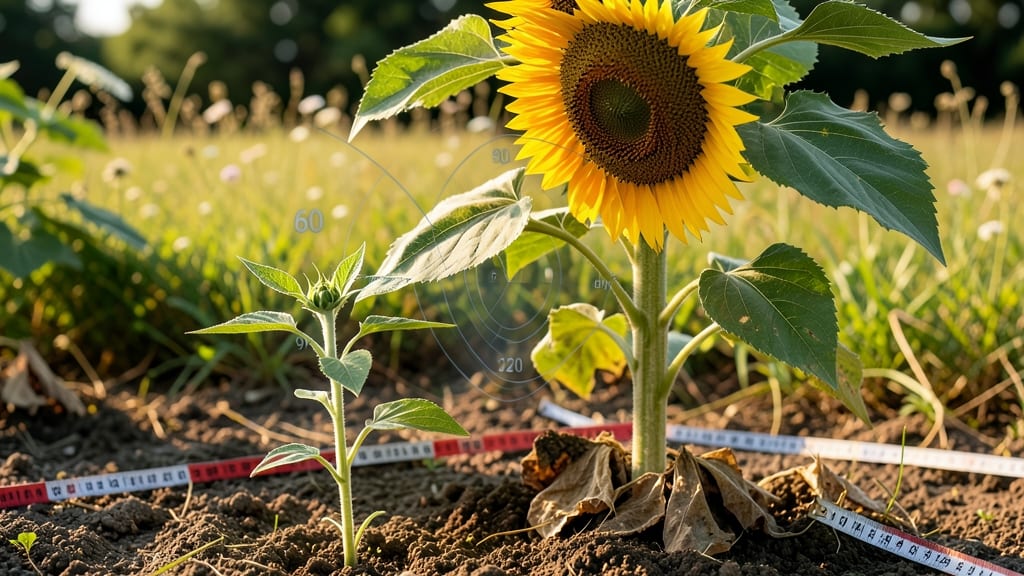
Growing sunflowers fast means tracking their grow time from seed to towering bloom—something I’ve perfected with 6-foot giants in just 8 weeks.
Sunflowers aren’t just beautiful—they’re nature’s speediest giants, shooting from tiny seeds to towering sunshine in just a few months. But how long does it really take? And what’s the secret to maximizing their explosive growth?
From April planting to July harvest, these sun-loving giants hit key milestones—sprouting in 5-7 days, reaching 3 feet in 30 days, and blooming in as little as 60-90 days—depending on variety and climate.
Here’s the month-by-month height tracker, plus 5 proven tricks to cut weeks off your sunflower’s grow time—because who doesn’t want those 12-foot monsters faster?


Sunflower growth timeline: exact month-by-month height progression
Watching a sunflower grow is like witnessing a botanical time-lapse—those tiny seeds transform into towering giants in just a few months. From the first green sprouts to the sunlit blooms, each stage reveals nature’s growth secrets.
But how fast does this happen? I’ll break down the exact month-by-month height progression so you can track your sunflower’s journey like a pro.
Most sunflowers reach maturity in 70-120 days, but their growth isn’t linear. The first few weeks are slow, then they explode upward during peak summer. Dwarf varieties like 'Teddy Bear' may top out at 3 feet, while giants like 'Mammoth' can hit 12-16 feet.
The key? Sunlight, soil, and variety—all work together to determine how fast your sunflower stretches toward the sky.
🌱 Did You Know? Sunflowers can grow 3-4 inches per day during their fastest phase (weeks 4-8). That’s why they’re often called the fastest-growing garden plants!
| Stage | Height Range | Key Growth Milestones | Time to Stage |
|---|---|---|---|
| Seed Germination | 0 inches | First sprouts appear | 5-14 days |
| Seedling Stage | 2-4 inches | True leaves form | 2-3 weeks |
| Rapid Stem Growth | 3-5 feet | Bud formation begins | 6-8 weeks |
| Flowering Begins | 6-10 feet | Petals fully open | 8-10 weeks |
| Full Maturity | 10-16 feet | Seed heads dry and ready for harvest | 10-16 weeks |
At 2 weeks old, your sunflower will be a tiny 2-4 inch seedling with just a few leaves. Don’t be fooled by its size—this is where root development happens underground.
Plant seeds 1 inch deep in well-draining soil with 6+ hours of sunlight daily to ensure strong early growth. Skipping this step can delay the entire timeline by 1-2 weeks.
By 4 weeks, your sunflower will have doubled in height to 6-12 inches. This is when the stem begins thickening, preparing for its growth spurt.
If you notice yellowing leaves, it’s a sign of overwatering or poor drainage. Reduce watering to once a week unless your region experiences extreme heat.
The 6-week mark is when things get exciting—your sunflower will shoot up 3-5 feet in just a few days. This is the fastest growth phase, driven by longer daylight hours and warmer temperatures.
During this time, feed with a balanced 10-10-10 fertilizer to support rapid stem elongation. Without proper nutrients, growth can stall, leaving you with a shorter, weaker plant.
At 8 weeks, your sunflower will reach 6-10 feet tall, and you’ll start seeing the first flower buds form. This is also when pests like aphids become a risk.
Inspect the undersides of leaves and spray with neem oil if needed. Ignoring pests now can reduce flower production by up to 50%.
By 10 weeks, your sunflower will be in full bloom, 10-16 feet tall, with a giant sunlit face turning toward the sky. This is the peak of its life cycle, but don’t relax yet—seed heads need time to mature.
Wait until the back of the flower turns yellow-brown before harvesting seeds. Cutting too early means lower seed quality.
In cooler climates (USDA zones 3-5), sunflowers may take 10-14 weeks to mature due to shorter growing seasons. To speed things up, choose early-maturing varieties like 'Autumn Beauty' or 'ProCut,' which bloom in 60-70 days.
In warmer zones (zones 6-10), expect full maturity in 8-10 weeks if planted in late spring.
One critical factor I can’t stress enough is soil quality. Sunflowers thrive in lo
Fastest-growing sunflower varieties: compare growth rates and heights
If you're chasing sunflower grow time records, some varieties will leave others in the dust. 'Mammoth Russian' and 'Autumn Beauty' are the heavyweight champions, but each has unique strengths. 'Mammoth' shoots up to 14 feet in just 80-100 days, while 'Autumn Beauty' matures slightly slower but offers stunning bi-color blooms.
Let’s break down their growth speeds and ideal conditions.
For fastest growth, short-day varieties like 'Russian Giant' thrive in warm climates, while long-day types like 'Teddy Bear' (dwarf) grow quicker in northern regions. Soil temperature below 50°F slows germination, so aim to plant after your last frost date. In USDA Zone 6a, that’s typically mid-April.
🌱
🏆 Fastest-Growing Sunflower Varieties
🌻 Mammoth Russian
- 14 ft in 80-100 days
- Thrives in hot climates
- Drought-tolerant once established
- Needs staking in windy areas
- Sensitive to overwatering
- Longer harvest window (120+ days)
🌼 Autumn Beauty
- 10 ft in 90-110 days
- Stunning bi-color blooms
- Adaptable to cooler climates
- Slower initial growth than Mammoth
- Requires more frequent watering
- Shorter stem strength
🐻 Teddy Bear
- 3-4 ft in 60-70 days
- Perfect for containers
- Early blooming (great for cut flowers)
- Not ideal for tall spaces
- Shorter lifespan (annual)
- Less drought-resistant
To push growth in slower conditions, I recommend direct sowing after soil warms to 60°F and using a balanced 10-10-10 fertilizer at planting. 'Mammoth' varieties benefit from deep watering every 3-5 days during peak summer heat, while 'Teddy Bear' thrives with morning watering to prevent fungal issues.
For northern gardens, opt for short-day varieties like 'ProCut', which matures in 70-80 days and tolerates cooler temperatures. In southern climates, 'Russian Giant' dominates with its rapid height gain—but watch for powdery mildew in humid conditions.
A light mulch of straw helps regulate soil moisture and temperature.
If you’re short on space, 'Sunspot' (dwarf variety) reaches 3-4 feet in 60 days and produces edible seeds. It’s my go-to for balcony gardens or small yards. For maximum height, 'Mammoth' is unbeatable—but be prepared to stake tall stems in windy areas to avoid lodging.
☀️