
Blooming
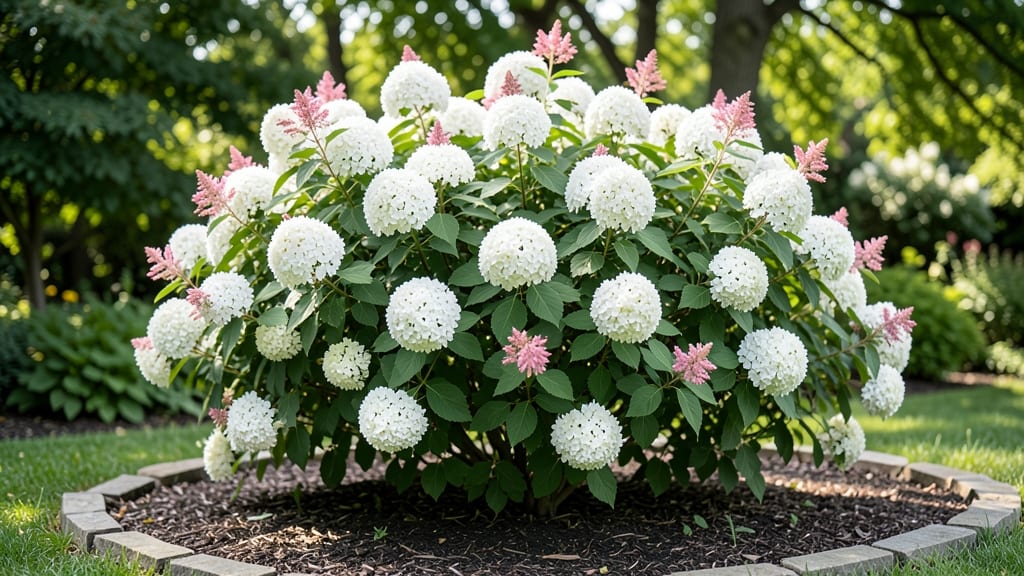
Viburnum flowering time varies dramatically by species, but most burst into bloom in late winter or early spring 🌸 — a showstopper that turns your garden into a fragrant cloud.
If you’ve ever admired a vibrant viburnum bush in full bloom and wondered how to keep it looking its best year after year, timing is everything—especially when it comes to pruning.
Some varieties, like Viburnum bodnantense, flower as early as January, while others, such as Viburnum plicatum, wait until May. Climate zone 6a gardeners can expect blooms to shift slightly based on frost dates, making early spring the critical window for planning.
In this guide, you’ll discover how to time your pruning perfectly to maximize next year’s display, avoid common mistakes that kill blooms, and adjust for regional differences. Let’s get your viburnum ready for its best show yet.
Understanding Viburnum flowering time by species and variety
Viburnums are prized for their stunning clusters of flowers that transform gardens into fragrant, colorful havens. But not all viburnums bloom at the same time—some burst into color in late winter, while others wait for spring. Understanding these differences is key to timing pruning and maximizing blooms each year.
The species and variety you choose will dictate when you’ll see those show-stopping flowers, and even your USDA hardiness zone plays a role in shifting bloom windows.
For example, Viburnum bodnantense (Winter Jasmine) is famous for its late-winter blooms that brighten chilly landscapes, while Viburnum plicatum (Japanese Snowball) typically flowers in late spring. Meanwhile, Viburnum opulus (Cranberrybush Viburnum) often blooms in early summer.
Each of these timelines affects when—and how—you should prune to ensure next year’s flowers aren’t sacrificed. Let’s break down the flowering windows and what they mean for your garden.
Climate zones also shift bloom times. In warmer zones (7-9), late-winter bloomers like Viburnum bodnantense may flower as early as January or February, while in colder zones (4-6), they might not burst into bloom until March or April. This variation is critical for planning pruning deadlines, as cutting too late can remove next year’s flower buds.
Here’s a quick reference to help you align your pruning schedule with your viburnum’s natural bloom cycle:
| Species/Variety | Typical Bloom Time | Pruning Deadline | Climate Zone Adjustments |
|---|---|---|---|
| Viburnum bodnantense (Winter Jasmine) | Late winter (Feb–March) | Immediately after blooming (April) | Warmer zones: Jan–Feb; colder zones: March–April |
| Viburnum plicatum (Japanese Snowball) | Late spring (May–June) | June–July (after blooms fade) | Northern zones: May; southern zones: April–May |
| Viburnum opulus (Cranberrybush) | Early summer (June–July) | July–August (post-bloom) | Cooler climates: June; warmer climates: May–June |
| Viburnum dentatum (Arrowwood) | Late spring (May–June) | June–July (after blooms) | Northern zones: May–June; southern zones: April–May |
If you’re growing Viburnum bodnantense, for instance, pruning after its February–March blooms ensures you don’t accidentally remove next year’s flower buds, which form on old wood.
Meanwhile, Viburnum plicatum and Viburnum opulus produce flowers on new wood, so you can prune more aggressively in late summer or early fall without risking next year’s display.
Pay attention to your local frost dates, too. In USDA Zone 5, for example, late-winter bloomers might wait until April to open, while in Zone 8, they could bloom as early as January.
This shift means your pruning window also moves—always err on the side of caution and prune after flowers fade to avoid cutting off potential blooms.
Another pro tip: Observe your viburnum’s flower buds in late fall or winter. If they’re already swollen and ready to burst, you’re in the clear to prune. But if they’re still dormant, hold off until after blooming.
This visual cue can save you from costly mistakes, especially with late-winter varieties like Viburnum farreri or Viburnum x bodnantense Dawn.
For gardeners in transition zones (6-7), where winters are mild but summers can be hot, timing becomes even trickier. Some viburnums may produce a second flush of blooms in late summer if conditions are right.
In these cases, wait until after all blooms have faded before pruning to preserve both spring and summer potential.
Finally, don’t overlook the role of light exposure. Viburnums that receive more sunlight often bloom earlier in the season, while those in
Step-by-step guide to pruning Viburnum for optimal flowering
Pruning your viburnum at the right time ensures vibrant blooms next season. The key is timing—wait until 4-6 weeks after flowering to avoid cutting off next year’s flower buds. Most viburnums bloom in late spring, so prune between June and July in most climates.
This timing gives your plant time to set buds for the following year while keeping it healthy and shaped.
Before you start, gather your pruning tools. You’ll need sharp bypass pruners for clean cuts, loppers for thicker branches, and gloves to protect your hands.
Disinfect your tools with rubbing alcohol to prevent spreading disease between cuts. Remove any dead or diseased branches first—they won’t regrow and can harm your plant.
- Step 1: Wait 4-6 weeks after flowering. For spring-blooming viburnums (like Viburnum plicatum), this is typically June or July.
- Step 2: Remove dead, diseased, or crossing branches first. Cut back to the main stem or nearest healthy growth.
- Step 3: Thin out overcrowded branches to improve airflow. Aim to keep the inner structure open and airy.
- Step 4: Shape the shrub by trimming back outer branches to encourage a fuller, bushier form. Avoid cutting into old wood where flowers form.
- Step 5: For late-winter bloomers (like Viburnum bodnantense), prune immediately after flowering (February-March) to avoid cutting off next year’s buds.
Never prune viburnum in fall or winter unless you’re dealing with damaged branches. Late pruning can remove next year’s flower buds, leaving you with a bare bush come spring. If your viburnum is overgrown, you can do light pruning over 2-3 years to avoid shocking the plant.
Pay special attention to species-specific needs. For example, Viburnum opulus (cranberry bush) blooms on new wood, so you can prune more aggressively in late winter.
In contrast, Viburnum plicatum (Japanese snowball) blooms on old wood, so wait until after flowering to prune. Always research your specific variety before pruning.
After pruning, mulch around the base of your viburnum to retain moisture and protect roots. Water deeply to help the plant recover. Avoid heavy fertilizer right after pruning—wait until early spring to encourage new growth.
With the right timing and technique, your viburnum will reward you with stunning blooms year after year.