
Blooming
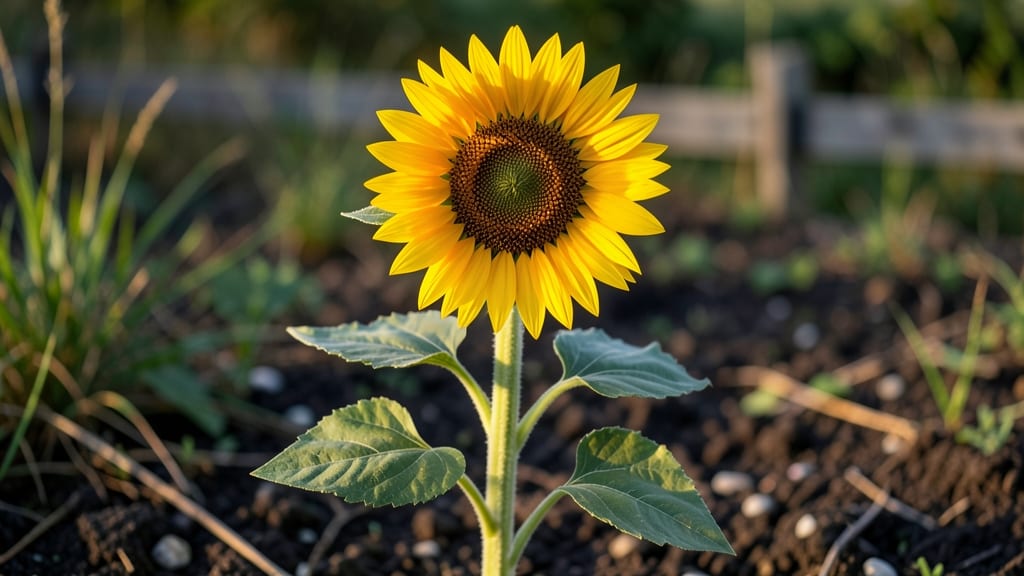
What time of year do sunflowers bloom? The answer is late spring through early fall 🌻, but the exact timing depends on your variety, climate, and planting window—meaning a June bloom in one garden could be a September showstopper just a few miles away.
Picture this: you’ve spent weeks watching your seedlings grow, only to have them burst into bloom three months earlier (or later) than your neighbor’s. That’s not a mistake—it’s how sunflowers work, adapting to their environment like a living calendar.
The key? Knowing your zone, picking the right variety, and planting at the perfect moment.
Whether you’re growing dwarf sunflowers for containers or towering Mammoths for cut flowers, timing matters. Too early, and frost nips the buds; too late, and summer’s heat zaps their energy.
I’ll break down the ideal bloom windows by variety and climate, plus pro tips to stretch your season from first petal to last.
Ready to turn your garden into a sunflower spectacle? You’ll learn how to read your local frost dates, choose varieties that sync with your summer, and even trick your plants into blooming longer with simple adjustments.
Sunflower blooming seasons by variety: when to expect flowers
Sunflowers are nature’s seasonal indicators, with bloom times varying dramatically by variety and growing conditions. Whether you’re dreaming of early summer blooms or late-season color, choosing the right sunflower type ensures your garden stays vibrant from June to October.
The key? Understanding each variety’s maturity timeline and planting strategy.
Most sunflowers are annuals, meaning they complete their life cycle in one season, but their bloom windows can shift by up to 6 weeks depending on when you plant.
Perennial varieties, though rare, offer extended displays. Below, I’ve broken down the bloom seasons for popular sunflowers, so you can plan for a continuous golden show.
For early blooms, prioritize dwarf varieties like 'Teddy Bear' or 'ProCut', which burst into color as soon as late May to June. These are perfect for cutting gardens or container displays when you want instant gratification.
Plant them 4-6 weeks before your last frost date for maximum early impact.
If you’re aiming for a mid-summer spectacle, 'Mammoth' and 'Moulin Rouge' deliver showstopping height and vibrant colors from July through August. These varieties thrive with 6+ hours of sun daily and well-draining soil, making them ideal for backyard focal points or field-style plantings.
The late-season stars like 'Autumn Beauty' and 'Russian Giant' extend your sunflower season into October, often surviving early frosts. These are my go-to choices for fall weddings or wildlife gardens, as their seed heads provide food for birds well into winter.
Plant them mid-to-late June to avoid early bolting in hot climates.
Climate zone impact: adjusting planting for northern vs. southern growing regions
Your USDA hardiness zone is the secret to unlocking sunflower success. In northern climates (zones 3-6), frost dates push planting later, while southern zones (7-10) demand heat-tolerant varieties to avoid bolting.
The same variety can bloom 6-8 weeks earlier in Florida than in Minnesota—so timing matters more than you think!
Northern gardeners in zones 3-5 should wait until after May 15 to plant, while southern growers in zones 8-10 can start as early as February 1. Even dwarf varieties like 'Teddy Bear' need these adjustments to thrive. Let's break down the ideal planting windows by zone.
Notice how southern zones get a 3-month head start on blooms? Varieties like 'Evening Sun' thrive in zones 9-10 because they tolerate 90°F+ temperatures without bolting. Meanwhile, 'Russian Giant' in zones 5-6 needs cooler summers to reach its full 12-foot height without stress.
For transition zones (7-8), I recommend planting half your seeds in March and the rest in late April. This staggered approach creates continuous blooms from May through September—perfect for cut flowers! Always check your local frost dates using the USDA Plant Hardiness Zone Map for precise timing.
Heat waves can shorten bloom cycles in southern gardens, while northern gardens may face late-season frosts that nip buds.
In zone 7, for example, I've seen 'Teddy Bear' sunflowers bloom 4 weeks earlier when planted in well-draining soil with morning sun exposure—proving microclimates matter just as much as zones.
Pro tip: Use black plastic mulch in northern zones to warm soil faster, or shade cloth in southern zones to protect young plants from intense sun. With these adjustments, you'll get golden blooms on schedule—no matter where you garden! 🌻