
Flowers
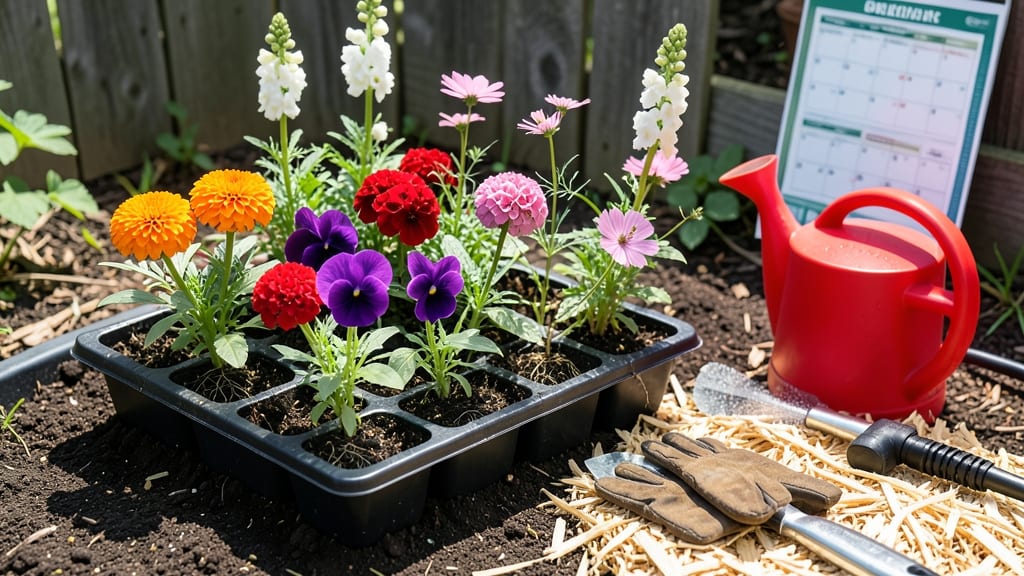
You can start planting flowers as soon as the soil warms to 60°F and the last frost has passed — typically in early spring, but the exact timing depends on your USDA zone and flower type.
Timing your flower planting can mean the difference between vibrant blooms and wilted disappointment — yet most gardeners miss the optimal window by weeks. Whether you're planting annuals for summer color or perennials that return year after year, getting the timing right is the key to a thriving garden.
In Zone 6a, where many gardeners live, the ideal window stretches from mid-March to early May, but cooler microclimates or late frosts may push that back.
Below, I’ll break down the exact dates for your region, plus smart techniques to extend your planting season and avoid common mistakes that delay blooms.
Discover the seasonal checklist for beginners, including when to start seeds indoors, how to adjust for early or late seasons, and which flowers thrive when planted early versus late. By the end, you’ll know exactly when to plant every type of flower in your garden.


Exact planting dates for flowers by USDA frost Zone (2024 guide)
Getting your flower planting timing right is the secret to a showstopping garden. The USDA frost zones provide a great starting point, but regional variations and microclimates mean your exact last frost date could differ by weeks.
Whether you're planting annuals, perennials, or bulbs, knowing these windows ensures your flowers thrive—not just survive.
I’ve compiled exact planting dates for each frost zone (3-11) based on 2024 averages, plus adjustments for early starters and late bloomers. These dates assume average conditions—always double-check your local agricultural extension service for hyper-local precision.
For example, a Zone 5 gardener in the mountains might plant two weeks later than one in a valley.
Pro Tip: Use row covers or greenhouse starts to extend your season by 2-4 weeks in colder zones. In warmer zones (8-11), focus on heat-tolerant varieties like zinnias or portulaca to avoid wilting before blooming.
In Zone 3-4, where winters are harsh, I recommend starting annual seeds indoors in late February to give them a head start. Cold-hardy varieties like pansies and snapdragons can handle light frosts, but wait until soil warms to 50°F (10°C) for heat-lovers like petunias.
For perennials, divide and transplant in early spring before new growth begins.
For Zone 5-6, my garden thrives when I plant cool-season annuals (like calendulas) in late April, just as the last frost passes. Bulbs like tulips and daffodils should be in the ground by mid-March—earlier in southern parts of these zones.
If you’re in a microclimate with late frosts (common in valleys), wait until May 1 for heat-sensitive plants.
Southern gardeners in Zones 7-10 have the luxury of longer seasons, but timing still matters. Zone 7-8 can start spring-blooming bulbs as early as February, while Zone 9-10 might plant summer annuals like marigolds in February to avoid summer wilting.
In Zone 11, treat flowers like vegetables—plant in fall or winter to escape peak heat.
Adjust for microclimates by observing your garden’s behavior. A south-facing slope warms faster than a north-facing bed, while urban areas can be 5-10°F warmer than rural zones. I always test soil temperature with a soil thermometer—aim for 60°F (15°C) for most flowers before planting.
Don’t forget succession planting! In warmer zones, sow fast-growing annuals like basil flowers every 2-3 weeks for continuous blooms. And if you’re in a Zone 3-6, try fall planting of pansies or kale flowers for winter color.
Now that you’ve got the exact dates, mark your calendar and grab
Best flower types to plant early vs. late in the season
Not all flowers thrive when planted at the same time. Some cold-hardy varieties like pansies and snapdragons can handle early spring planting, while heat-loving flowers like marigolds and zinnias need warmer soil to germinate.
Understanding these differences ensures your garden stays vibrant all season long. I’ve planted both early and late, and the difference in bloom time is night and day!
For early-season planting, focus on flowers that tolerate cooler temperatures and even light frosts. These include pansies, violas, calendula, and lobelia. They’ll give you early color and help fill gaps before summer bloomers take over.
Meanwhile, late-season planting is perfect for heat-tolerant annuals like marigolds, cosmos, and sunflowers, which thrive in the dog days of summer.
Pro Tip: Use succession planting to keep your garden blooming continuously. Start with cool-season flowers in early spring, then transition to warm-season varieties as temperatures rise. This way, you’ll have flowers from March through October without gaps!
Early vs. Late Season Planting: What to Choose
Early Season Flowers (Plant 4-6 Weeks Before Last Frost)
- ✅ Pros: Tolerate cooler temps, bloom early, fill gaps
- ✅ Best for: Pansies, Violas, Calendula, Lobelia
- ❌ Cons: May struggle in heat, shorter bloom time
Late Season Flowers (Plant After Last Frost)
- ✅ Pros: Thrive in heat, long bloom season, drought-tolerant
- ✅ Best for: Marigolds, Zinnias, Cosmos, Sunflowers
- ❌ Cons: Won’t survive frost, need warm soil to germinate
If you’re in a shorter growing season (like USDA Zones 3-5), prioritize early planting of cold-hardy flowers and use row covers to extend the season. For longer growing seasons (like Zones 7-10), focus on late-season heat lovers and stagger plantings every 2-3 weeks for continuous blooms.
For succession planting, I recommend planting fast-growing flowers like bachelor’s buttons or cosmos every 3-4 weeks after the last frost. This ensures your garden never looks bare. Pair them with slow-to-germinate varieties like zinnias for a balanced, long-lasting display.
Remember, soil temperature matters just as much as air temperature. Use a soil thermometer to check if it’s warm enough for heat-loving seeds—they need at least 60°F (15°C) to germinate properly. This small step can save you from wasted seeds and disappointment!