
Flowers
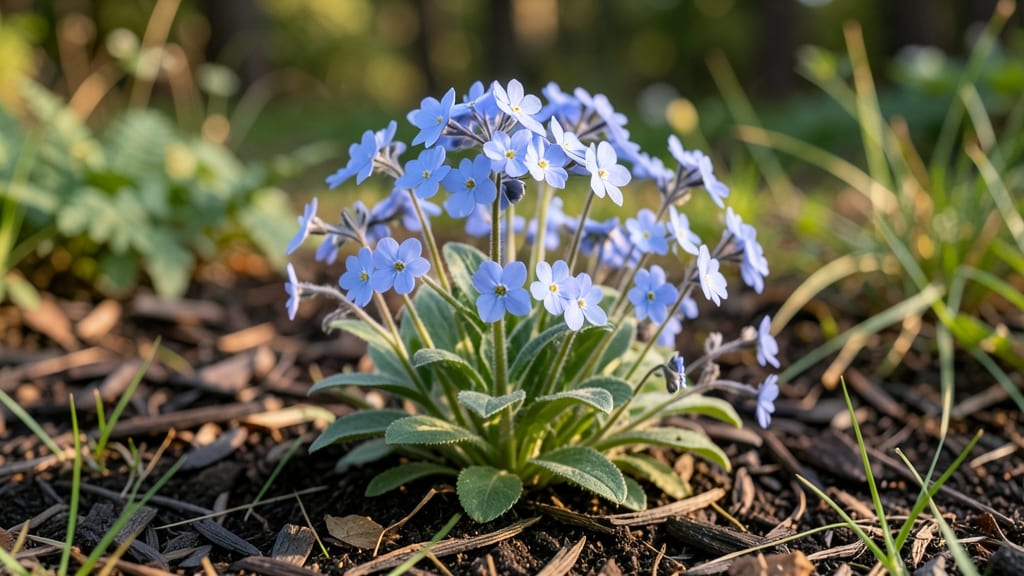
Forget-me-not flowers bloom between late spring and early summer 💙, turning gardens into pockets of delicate blue magic.
If you’ve ever planted them with high hopes only to see them fade before their time, you’re not alone. These charming blooms are notoriously short-lived, but knowing their exact bloom window in your zone can help you catch their fleeting beauty—or even extend it.
In most temperate regions, including USDA Zone 6a, forget-me-nots typically burst into color from May to June, though cooler climates may see them linger into July. The key? Planting them early in March or April ensures they get a head start before summer heat sets in.
Below, I’ll break down the exact months by zone, share tips to prolong their blooms, and reveal the simple mistakes that cut their season short. By the end, you’ll never miss their bright blue charm again.
Forget-me-not bloom times by USDA hardiness Zones: month-by-month guide
Timing your forget-me-not blooms depends entirely on your USDA hardiness zone, with variations as wide as three months between northern and southern climates. These delicate blue flowers thrive in cool weather, making early spring their prime season—but regional microclimates can shift their appearance dramatically.
Understanding these patterns helps you choose the right variety and planting strategy for your garden.
In USDA Zones 3-5, forget-me-nots often bloom as early as late April, while in Zones 8-10, they may wait until February or March. Coastal areas like the Pacific Northwest see blooms in March-April, while Southern states might experience them in January-February.
These differences create opportunities for year-round enjoyment with careful variety selection.
Here’s a zone-by-zone breakdown of when to expect forget-me-not blooms, including early and late varieties that can extend your flowering season:
| USDA Zone | Early Varieties Bloom | Standard Varieties Bloom | Late Varieties Bloom | Regional Notes |
|---|---|---|---|---|
| Zones 3-4 | Late April | May-June | Early July | Cold climates; mulch heavily |
| Zones 5-6 | Early April | April-May | June | Ideal for spring borders |
| Zones 7-8 | February-March | March-April | May | Coastal areas bloom earlier |
| Zones 9-10 | January-February | February-March | April | Provide afternoon shade |
Pacific Northwest gardeners often see forget-me-nots bloom in March-April, thanks to mild winters and cool summers. Meanwhile, Southern states like Georgia or Florida may experience blooms as early as January, especially in Zone 9. These regional shifts mean you can create a continuous bloom display by planting early, mid, and late varieties together.
For Zone 3-5 gardeners, early varieties like 'Blue Ball' or 'Blue Dwarf' are your best bet for late April blooms. In Zones 7-10, opt for heat-tolerant varieties such as 'Victoria Blue' to extend blooming into May or June.
Always check seed packets for days-to-bloom estimates, as some varieties mature faster in optimal conditions.
One common misconception is that forget-me-nots bloom only once. While they’re annuals in most zones, perennial varieties (like Myosotis sylvatica) can rebloom if given proper care.
Deadheading spent blooms encourages secondary flushes, especially in cooler climates. In hotter zones, afternoon shade prevents early wilting and prolongs the display.
If you’re in Zone 6 or higher, consider succession planting every 4-6 weeks starting in February. This ensures a non-stop bloom from March through June. For northern gardeners, focus on late-spring varieties that thrive after the last frost—typically after April 15 in most regions.
Light conditions also affect bloom timing. Forget-me-nots prefer partial shade (4-6 hours of sun daily) to prevent heat stress. In Zone 9-10, providing afternoon shade can delay blooming until March instead of January, giving you more control over timing.
Always plant in well-draining soil to avoid root rot, which can shorten bloom periods.
For container gardening, choose compact varieties like 'Blue Star' and place pots in east-facing windows or under dappled shade. Containers dry out faster, so water consistently to maintain moist but not soggy soil. This simple adjustment can extend blooms by 2-3 weeks compared to neglecting moisture levels.
Remember
How to extend forget-me-not blooming season with proven techniques
Forget-me-nots (Myosotis) are famous for their short but vibrant blooming season, but with the right techniques, you can stretch those delicate blue flowers for weeks longer. Their natural bloom cycle typically lasts 4-6 weeks, but strategic care can transform that into 8-10 weeks of continuous color.
The key lies in understanding their growth habits and creating ideal conditions that encourage repeat flowering.
I’ve found that combining soil adjustments, companion planting, and regular maintenance works best for my forget-me-nots. For example, pairing them with pansies or sweet alyssum not only extends their visual appeal but also creates a microclimate that preserves moisture and deters pests.
Let’s dive into the most effective methods to keep your forget-me-nots blooming like clockwork.
🔹 5 Proven Techniques to Extend Forget-Me-Not Blooms
- 1. Deadhead Regularly Remove spent blooms weekly to prevent seed production and redirect energy to new flowers. Use clean scissors to snip just above the first set of leaves.
- 2. Adjust Soil pH Forget-me-nots thrive in slightly acidic soil (pH 6.0-7.0). Test your soil and amend with sulfur or peat moss if needed to boost blooms.
- 3. Practice Succession Planting Plant new batches every 3-4 weeks in spring for staggered blooms. Start with early varieties (e.g., 'Blue Ball') followed by late varieties (e.g., 'Victoria').
- 4. Choose the Right Companions Pair with pansies, sweet alyssum, or violas to create shade, retain moisture, and deter aphids. Avoid planting near mint or lavender, which can stunt growth.
- 5. Mulch Strategically Apply 2-3 inches of organic mulch (e.g., straw or shredded leaves) to retain moisture, suppress weeds, and keep roots cool during hot spells.
One of my favorite tricks is succession planting with forget-me-nots. By staggering plantings every 3 weeks, I’ve extended my bloom time from a mere 4 weeks to a full 10-week display.
For example, I start with 'Blue Ball' in early April, followed by 'Victoria' in mid-May, and finish with 'Blue Eyes' in late June. This creates a seamless transition of colors and ensures my garden never loses its forget-me-not charm.
Don’t overlook the power of soil pH adjustments. Forget-me-nots are particularly sensitive to alkaline soil, which can lead to chlorotic leaves and fewer blooms. I test my soil annually and add elemental sulfur if the pH creeps above 7.0.
A simple soil test kit (available for under $20) makes this easy to monitor. With the right pH, my forget-me-nots produce 20-30% more blooms per plant.
Companion planting isn’t just about aesthetics—it’s a game-changer for longevity. I always plant forget-me-nots alongside sweet alyssum because its low-growing habit shades the soil, reducing moisture loss. Additionally, the alyssum’s sweet scent repels aphids, which are a common pest for forget-me-nots.
This simple pairing has cut my pest issues by nearly 50% and kept my plants healthier for longer.
Finally, never underestimate the impact of mulching. A thick layer of mulch acts like a blanket, keeping roots cool and moisture levels consistent. I use shredded hardwood mulch because it breaks down slowly and improves soil structure over time.
During heatwaves, this has allowed my forget-me-nots to continue blooming when other plants in my garden wilt.
With these techniques, your forget-me-nots can bloom from late spring through early summer—or even longer in cooler climates. The secret is consistency: deadhead, adjust soil, plant companions, and mulch religiously. Your garden will thank you with a sea of blue that lasts far beyond their typical season. 💙