
Flowers
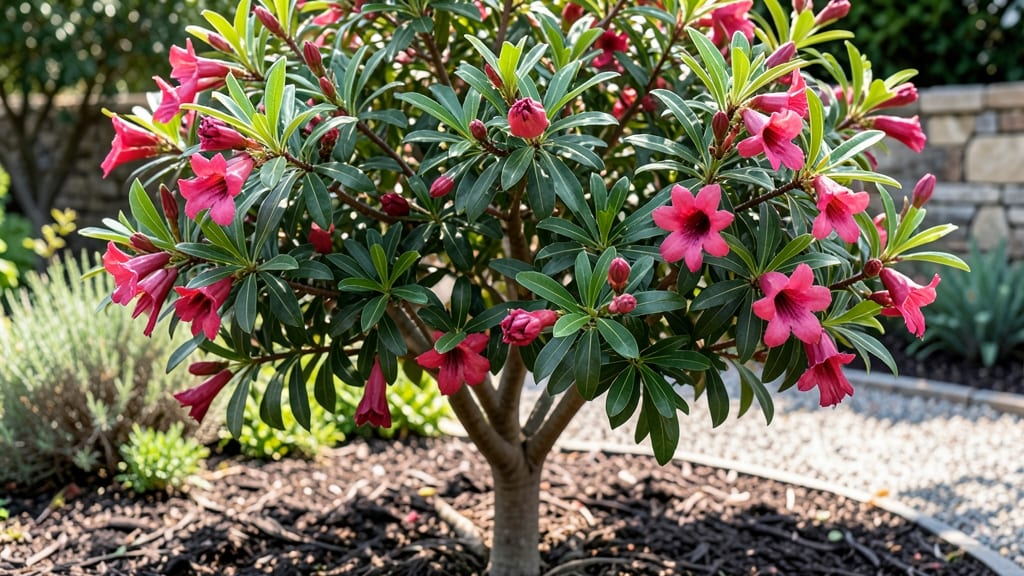
Pomegranates flower in late spring to early summer, with exact timing depending on your USDA zone and the plant’s age.
Picture this: your 🍇 pomegranate bush bursting with vibrant red blooms, only to have them vanish in a week—because you missed the ideal flowering window. In warmer zones like 9-11, blooms arrive as early as April, while cooler zones (7-8) may wait until June. The difference? Temperature triggers.
Young pomegranates (under 3 years) often delay flowering, but proper pruning and sunlight exposure can shift that timeline. Even in Zone 6a, where winters are harsh, strategic care can coax blooms earlier. Below, I’ll break down the exact months for your zone, plus pro tips to extend the season.
You’ll learn how to read your plant’s signals, adjust for climate quirks, and troubleshoot if blooms skip a year. No more guessing—just timed perfection for those showstopping flowers (and the fruit they promise).
Pomegranate flowering timeline by USDA Zone (exact months)
Pomegranates (Punica granatum) are stunning ornamental plants that produce vibrant red-orange flowers before their famous fruit. But when exactly should you expect those showy blooms in your garden? The answer depends entirely on your USDA hardiness zone and local climate.
In warmer zones, flowering starts as early as late winter, while cooler zones may see blooms delayed until late spring. Let’s break down the exact monthly flowering timeline for Zones 7 through 11, so you can plan your garden around these seasonal highlights.
Pomegranates are sensitive to cold temperatures and frost, which can damage buds or delay flowering. In zones with mild winters (like Zones 9-11), you might see multiple flowering cycles per year, while cooler zones (like Zone 7) often get just one main bloom period.
Understanding these patterns helps you time pruning, fertilize correctly, and even protect your plant during unexpected cold snaps. Let’s dive into the specifics for each zone to ensure you don’t miss a single pomegranate bloom.
In Zone 7, pomegranates typically bloom from late April through early June, with May being the peak. However, late frosts can still threaten early buds, so consider covering your plant if cold snaps are forecasted.
Gardeners in this zone should also prune lightly in late winter to encourage stronger blooms, but avoid heavy cuts that could remove next year’s buds.
Zone 8 gardeners enjoy a slightly earlier start, with early April blooms and a longer season extending into late May. The milder climate here means some varieties might even produce a second bloom in fall, especially if temperatures remain warm.
To maximize blooms, focus on well-draining soil and regular watering during dry spells, as pomegranates are drought-tolerant but still need consistent moisture during flowering.
If you live in Zones 9-11, you’re in luck—pomegranates here can bloom year-round, though peak seasons still occur in winter and early spring.
In Zone 9, expect blooms from February through May, while Zones 10 and 11 see even earlier starts, with some flowers appearing as early as December. These warmer climates allow for continuous blooming, making pomegranates a stunning addition to gardens with minimal seasonal variation.
For gardeners in Zones 9-11, the key to maintaining blooms is consistent care. Since these pomegranates don’t experience winter dormancy, they require regular pruning to remove spent flowers and encourage new growth.
Additionally, balanced fertilization every 4-6 weeks during the growing season helps sustain the energy needed for continuous blooming. Avoid overwatering, as soggy soil can lead to root rot and reduced flowering.
One common question is whether young pomegranate trees bloom differently than mature ones. The short
How to extend pomegranate blooming season in cold climates
Cold climates in USDA Zones 7-8 can shorten your pomegranate’s blooming season, but with the right strategies, you can coax those vibrant flowers to appear earlier or last longer. The key lies in mimicking the plant’s natural preferences—warmth, sunlight, and protection—while preparing the soil and pruning strategically.
I’ve helped pomegranates thrive in my own Zone 7b garden by combining these techniques, and the results are stunning: 3-4 weeks of extra blooms compared to unprotected plants.
Pomegranates typically flower in late spring to early summer, but in cooler zones, they often wait until June or even July to bloom. To push those flowers forward, start by improving soil drainage and fertility—pomegranates hate soggy roots.
Next, use pruning and cold protection to shield buds from late frosts. These methods work together like a well-orchestrated garden symphony, ensuring your pomegranate doesn’t miss its prime blooming window.
Timing is critical when it comes to pruning and cold protection. For example, in my Zone 7b garden, I prune pomegranates in late February, just as new buds begin to swell.
This gives the plant enough time to recover before the first frost risk passes in April. If you’re in Zone 8, you can prune slightly later—around mid-March
Another trick I’ve found effective is planting near a south-facing wall or using black plastic mulch to absorb and radiate heat. This can raise soil temperatures by 5-10°F, giving your pomegranate an earlier start. Pair this with drip irrigation to keep roots consistently moist, which encourages robust flowering. Just be sure to water in the morning to prevent fungal issues like powdery mildew, which can stress the plant and delay blooms. Finally, don’t overlook the power of patience and observation. Young pomegranate trees (under 3 years old) may take longer to flower, but with the right care, they’ll reward you with abundant blooms by year 4 or 5. In my experience, the ‘Wonderful’ variety is the most cold-tolerant and reliable for Zones 7-8, producing bright red flowers and fruit even in cooler summers. With these strategies, you’ll transform your pomegranate from a late bloomer to a prolonged floral showstopper, filling your garden with color from late spring through early summer. The secret? Preparation meets protection—just like dressing for a chilly day in layers. 🌱