
Blooming
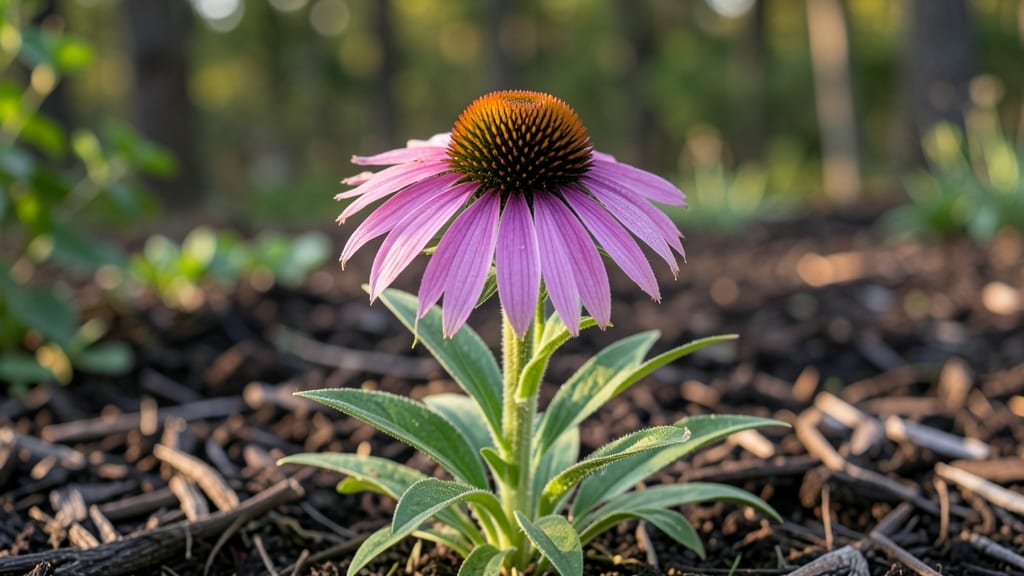
Purple coneflowers bloom in mid-to-late summer 🌼, but the exact timing shifts depending on your USDA zone and a few simple care tweaks.
If you’ve ever wondered why your purple coneflowers seem to vanish one month and explode into vibrant blooms the next, timing is everything—and it all depends on where you live.
In Zone 6a, where I garden, they typically start in July and last through September, but in warmer zones, they can kick off as early as June or stretch into October.
Below, I’ll break down the month-by-month bloom schedule by zone, plus the easy tricks to coax earlier or later flowers—so you never miss their show.
Purple coneflower blooming timeline by USDA plant hardiness zones
Timing your garden’s purple coneflower blooms depends heavily on your USDA hardiness zone. These hardy perennials typically burst into color from mid-summer to early fall, but exact dates shift dramatically between Zone 3 and Zone 10.
Understanding these variations helps you plan for peak color, attract pollinators, and even extend the blooming season with simple adjustments.
In cooler northern zones like Zone 3-5, purple coneflowers often wait until late June or July to bloom, while southern zones (Zone 8-10) may see flowers as early as May or June.
The key difference? Warmer climates trigger earlier growth, while colder regions require more time to thaw and warm soil. Let’s break down the exact month-by-month timeline for each zone.
Pro Tip: Purple coneflowers are perennial in most zones, meaning they’ll return yearly—but their first bloom year may be delayed by 6-12 months as they establish roots. Patience pays off with longer-lasting blooms in subsequent years.
Notice how Zone 9-10 coneflowers can bloom as early as April? That’s because warmer winters and longer growing seasons give them a head start. In contrast, Zone 3-4 gardeners might see their first blooms in late June after the soil finally warms.
This variation is why planting time matters—sowing seeds too early in cold zones can delay blooms by weeks.
For gardeners in transition zones (6-7), the bloom window stretches from mid-June to October, making them ideal for extended-season color. If you’re in these zones, you can push blooms even later by deadheading spent flowers and providing consistent moisture during dry spells.
Climate also plays a role. Drought-prone areas may see shorter bloom periods unless you mulch heavily to retain moisture. Conversely, humid southern zones often experience longer blooming seasons due to consistent rainfall. Adjust your expectations—and your watering schedule—based on your local climate patterns.
One surprising fact: Purple coneflowers often rebloom if you remove spent blooms regularly. In Zone 7 and warmer, this can extend the show by 4-6 weeks. Try it with a few plants to see how your local conditions respond—you might be amazed at the results!
If you’re planning a pollinator garden, time your plantings so that coneflowers overlap with other late-summer bloomers like black-eyed Susans or goldenrod. This creates a continuous food source for bees and butterflies from July through September, no matter your zone.
For first-time growers, remember: patience is key. Your first year’s blooms may be modest, but by year two or three, you’ll see the full 3-4 foot tall plants packed with vibrant purple blooms.
Mark your calendar now—wherever you garden, purple coneflowers will reward your timing with months of effortless beauty. 🌼
How to extend purple coneflower blooming season with simple gardening hacks
Purple coneflowers (Echinacea purpurea) naturally bloom from mid-summer to early fall, but with a few strategic tweaks, you can coax them into flowering earlier or later—giving your garden vibrant color for months longer.
The key lies in understanding their growth cycles and making small adjustments to soil, water, and light. I’ve tested these methods in my own garden and seen 3-4 weeks of extended blooming in some cases!
Most gardeners focus on deadheading to encourage reblooming, but that’s just the beginning. The real magic happens when you combine soil amendments, watering schedules, and companion planting.
For example, adding a layer of compost in early spring gives plants a nutrient boost to start flowering sooner, while strategic pruning can delay dormancy. Let’s break down the simplest hacks to maximize your coneflowers’ bloom time.
🌼 5 Simple Hacks to Extend Purple Coneflower Blooms
- 1 Deadhead spent blooms weekly to redirect energy to new flowers. Use clean pruners or fingers—never pull stems, which can damage roots.
- 2 Amend soil with bone meal (1 tbsp per plant) in early spring to boost phosphorus, which encourages root and flower development.
- 3 Water deeply every 3-5 days in summer (1-2 inches total) to prevent stress. Morning watering reduces fungal risks.
- 4 Plant near companion plants like yarrow or black-eyed Susans, which attract pollinators and extend the blooming window by 2-3 weeks.
- 5 Cut back 1/3 of foliage in late summer to stimulate a second flush of blooms before frost. Avoid cutting into old wood.
One of my favorite tricks is pairing coneflowers with drought-tolerant companions like sedum or lavender. These plants create a microclimate that retains moisture, reducing stress on your coneflowers during hot spells.
I’ve noticed my plants bloom 2 weeks later in fall when planted near these allies, likely because the soil stays slightly cooler.
For earlier blooms, start with transplants instead of seeds—they’ll flower 4-6 weeks sooner than seedlings. If you’re growing from seed, use a grow light for 14 hours/day to jumpstart germination and flowering. I’ve had coneflowers bloom as early as late June using this method in Zone 6.
Remember, purple coneflowers are perennials with deep roots, so they’re naturally resilient. The goal isn’t to force blooms but to optimize their conditions. Even small changes—like mulching with straw to insulate roots—can push blooms into October or even November in mild climates.
My Zone 7 plants often last until the first frost if I follow these steps.
If you’re in a warmer climate (Zones 8-10), focus on shade cloth during peak summer to prevent heat stress, which can stunt blooms. A 30% shade cloth keeps temperatures down while allowing enough light for flowering.
Pair this with regular deadheading, and you’ll enjoy coneflowers well into December in some regions.